← The Global Intelligence Brief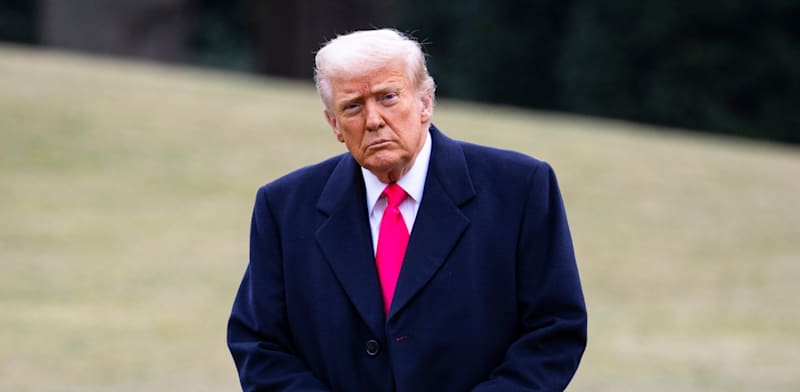
Morning Edition · Wednesday, July 22, 2026Published at 1:31 AM EDT · New York
Trump Sets Generic-Drug Tariffs Rising to 100 Percent in 2028 and 200 Percent a Year Later
A two-year exemption starting in August precedes steep tariffs designed to move production into the United States, with India, which supplies roughly half of American generics, the most exposed.
President Donald Trump announced a phased tariff on imported generic pharmaceuticals, structured to give manufacturers time to build American plants before the penalties take effect. The Israeli financial daily Globes reported that generic imports will be exempt from duty for two years, after which tariffs of 100 percent and then 200 percent apply.
The mechanics, as described by CNBC and Bloomberg, set the rate at zero for two years from August 1, then 100 percent for one year beginning August 2028, then 200 percent from August 2029. The stated aim is to move production to the United States, with companies that do not build domestic capacity within that window facing the full levy.
The exposure is concentrated. India's pharmaceutical companies supply close to half of all generic medicines used in the United States, making the policy a direct threat to one of that country's largest export sectors. Analysts cited by Globes warned that the tariffs could reduce supply and raise prices for American patients if domestic capacity does not expand quickly enough to replace imports.
The two-year delay is the policy's defining feature. It works as an ultimatum rather than an immediate tax, on the expectation that the threat of a 100 percent duty will draw factory investment into the United States before the tariff ever collects revenue. Whether that capital appears, or whether importers simply pass higher costs to consumers, will determine whether the measure moves production onshore or mainly raises the price of medicine.
Veracity: Corroborated
82/100- If true, who benefits
US-based drug manufacturers and any Indian firm that reshores production, plus a president seeking a visible reshoring win, while generic exporters in India face the loss of a $9 billion market.
- The nuance
Indian industry leaders and analysts dispute whether the 100 to 200 percent rate hits generics at all or mainly branded and patented drugs, and the levy is a 2028 threat that a future administration could revise before it ever collects revenue.
An open-source-intelligence read of how likely this story is true with its real nuance, not a judgment of any outlet. It assesses the claim, weighing independent and adversarial reporting. How we label confidence.
What this means
Generic drugmakers in India and other low-cost producers face a firm deadline. They must invest in US plants or lose access to their largest market at a 100 to 200 percent cost penalty. The channel to American consumers runs through supply and price, because generics are the low-cost foundation of the US drug system, and any gap between reshored capacity and lost imports would appear as shortages or higher prices. The delayed structure means the near-term effect is on investment decisions and the stock valuations of Indian exporters rather than on today's drug prices.
Townsquare
Start a discussion in Townsquare.
More from this edition
- Trump Imposes 50% Tariffs on About $20 Billion of Canadian Goods, Reviving a 1930 Law
- Yen Falls Past 163 Per Dollar to Its Weakest Since 1986 as Chip Rally Lifts Risk Assets
- Houthis Declare Naval Blockade of Saudi Arabia and Say They Struck Two Oil Tankers Near Bab el-Mandeb
- Iran Fires Missiles and Drones at Jordan as US-Iran Ceasefire Talks Collapse
- Bitcoin Holds Near $66,300 as AI-Driven Risk Appetite Steadies Crypto
- Foreign Carmakers Lose More Ground in China as EV Powerhouses Erode the Luxury Segment
- US Plans Civilian Nuclear Pact With Saudi Arabia That Omits Enrichment Safeguards
Comments
0No comments yet.