← The Global Intelligence Brief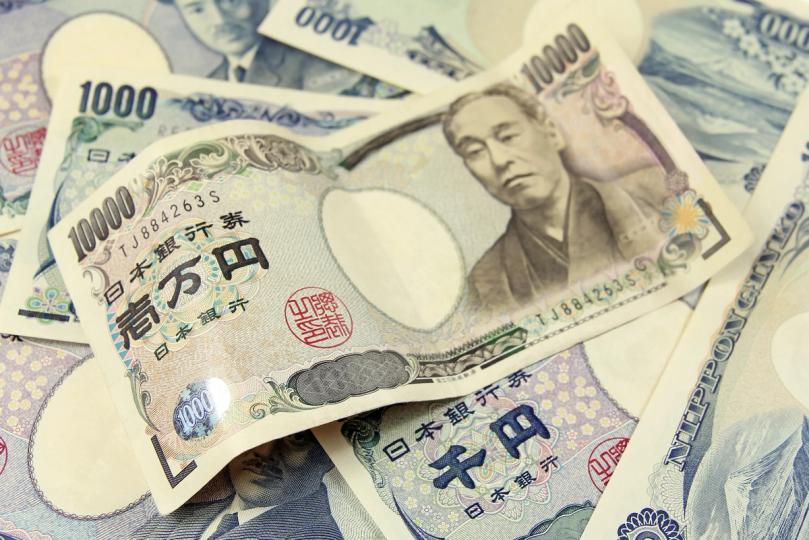
Morning Edition · Wednesday, July 22, 2026Published at 1:31 AM EDT · New York
Yen Falls Past 163 Per Dollar to Its Weakest Since 1986 as Chip Rally Lifts Risk Assets
The gap between a cautious Bank of Japan and a firm Federal Reserve is pulling capital out of the yen even as optimism about semiconductors drives a second day of gains across equities and crypto.
The Japanese yen weakened beyond 163 per US dollar on Tuesday, a level it had not touched since 1986, according to Bloomberg. The move continues a decline that CoinDesk reported alongside a second consecutive day of gains in semiconductor stocks and a bitcoin price holding near $66,300.
The immediate driver is the widening gap between two central banks. The Federal Reserve has kept policy firm, while the Bank of Japan has moved only cautiously to raise rates and the Japanese government has signaled a preference for loose monetary conditions. That gap rewards investors who borrow in yen at low cost and hold higher-yielding dollar assets, and each new low in the yen increases the incentive to do so.
Japanese authorities have tried to slow the decline. Between late April and late May, the Ministry of Finance reported roughly 11.7 trillion yen in foreign-exchange intervention, one of its largest reported totals, yet the currency has continued to fall. That the decline has persisted despite direct intervention shows how far policy interest rates, rather than one-off dollar sales, now set the exchange rate.
By the standards of sound-money thinking, the yen's decline is the direct cost of years of the cheapest credit in the developed world. A currency held down by policy directs savings toward assets priced in stronger currencies, and the same easy conditions that support Japanese borrowers also raise the prices of risk assets abroad, from chip stocks to bitcoin, as liquidity flows outward.
Part of a tracked trend
Renewed Fed Tightening Fears Rattle Global Markets
Over the next 3-6 months stronger US data revives expectations of Fed rate hikes, driving a firmer dollar, equity selloffs in export-heavy markets, and pressure on hard assets as the IMF warns of recurring economic shocks.
What this means
A yen at 163 raises the cost of every imported good Japan buys, from energy to food, tightening the real incomes of Japanese households while raising the export earnings of firms such as Toyota. The larger exposure is the carry trade. Leveraged positions funded in cheap yen finance bets on dollar assets, so any abrupt Bank of Japan tightening or forceful intervention could force those positions to unwind quickly and pull liquidity out of the same equities and crypto that are now rising.
What to watch
- Whether Japan's Ministry of Finance intervenes again and at what scale, because a large intervention that fails to halt the decline would signal that only a change in the interest-rate gap can stop it.
- The Bank of Japan's next policy meeting, since a surprise rate increase would raise the cost of yen-funded carry trades and could spread to global risk assets that depend on that cheap funding.
Observations to monitor, not financial advice.
Townsquare
Start a discussion in Townsquare.
More from this edition
- Trump Imposes 50% Tariffs on About $20 Billion of Canadian Goods, Reviving a 1930 Law
- Houthis Declare Naval Blockade of Saudi Arabia and Say They Struck Two Oil Tankers Near Bab el-Mandeb
- Trump Sets Generic-Drug Tariffs Rising to 100 Percent in 2028 and 200 Percent a Year Later
- Iran Fires Missiles and Drones at Jordan as US-Iran Ceasefire Talks Collapse
- Bitcoin Holds Near $66,300 as AI-Driven Risk Appetite Steadies Crypto
- Foreign Carmakers Lose More Ground in China as EV Powerhouses Erode the Luxury Segment
- US Plans Civilian Nuclear Pact With Saudi Arabia That Omits Enrichment Safeguards
Comments
0No comments yet.