← The Global Intelligence Brief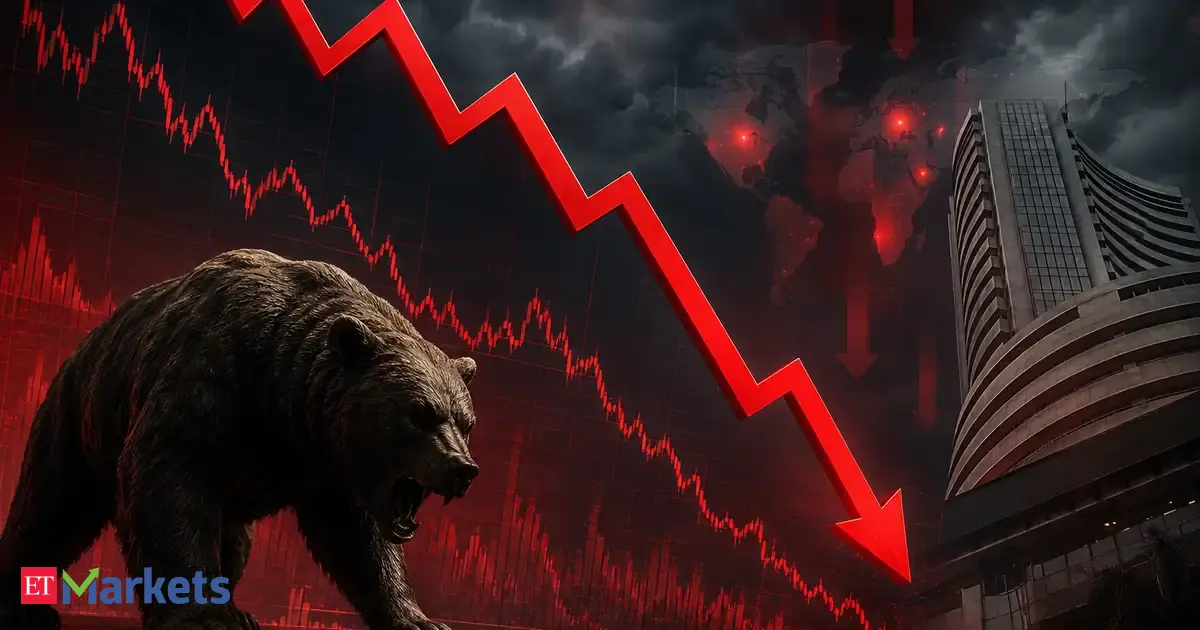
 3 sources
Morning Edition · Friday, July 24, 2026Published at 1:11 AM EDT · New York
India's Sensex Falls More Than 700 Points in a Fifth Straight Session of Losses
Oil above 100 dollars and sustained foreign selling drove the decline, with the Nifty slipping below 23,700 and technology shares among the weakest.
Indian equities fell for a fifth consecutive session, with the Sensex down more than 700 points and the Nifty below 23,700, according to the Economic Times. The paper attributed the drop to oil prices above 100 dollars a barrel and continued selling by foreign institutional investors.
Company results added to the weakness. Infosys shares fell about 3 percent after JPMorgan downgraded the stock and Jefferies cut its target price, citing weaker demand visibility even after the firm reported strong deal activity, the Economic Times reported. The online retailer Meesho fell about 5 percent after warning of slower growth in the September quarter, though it narrowed its quarterly loss, according to a separate Economic Times report.
The selling shows how an oil-importing economy absorbs an external energy shock. India buys most of its crude abroad, so a rising oil price widens its import bill, pressures the rupee and gives foreign investors a reason to reduce exposure.
What this means
India runs a structural current-account deficit tied to imported energy, so every sustained move higher in crude raises the country's import costs and weakens the rupee, which in turn prompts foreign investors to pull money out and adds to equity declines. The exposed parties are Indian importers, the currency, and export-facing technology firms whose overseas clients are cutting spending. Domestic-demand sectors and financials have historically softened these shocks, so the split between how those hold up and how oil-sensitive names fall will show whether this is a rotation or a broader retreat.
What to watch
- The pace of foreign institutional outflows, because sustained selling rather than a single session is what turns a dip into a trend.
- The rupee against the dollar, since a weaker currency raises the cost of India's oil imports and can force the central bank to intervene.
Observations to monitor, not financial advice.
Synthesized from: Economic Times · Economic Times (Infosys) · Economic Times (Meesho)
Townsquare
Start a discussion in Townsquare.
More from this edition
- Oil Passes 100 Dollars as United States Strikes Iran for a 13th Night and Trump Weighs a Larger Attack
- United States Imposes New Tariffs of Up to 12.5 Percent on 60 Trading Partners Over Forced-Labor Claims
- Bitcoin Holds Near 65,000 Dollars as an 800-Billion-Dollar Technology Selloff Spares Crypto
- Houthi Attacks on Saudi Ships Threaten Bab el-Mandeb as Oil Climbs
- Financial Times Warns Value of Real United States Assets Is Shrinking as Financialization Grows
- Student-Led Protests in India Confront Modi Over Economic Grievances
- Ukraine's Drone War Reaches Russia's Largest Online Retailer, Killing Nine
Comments
0No comments yet.