← The Global Intelligence Brief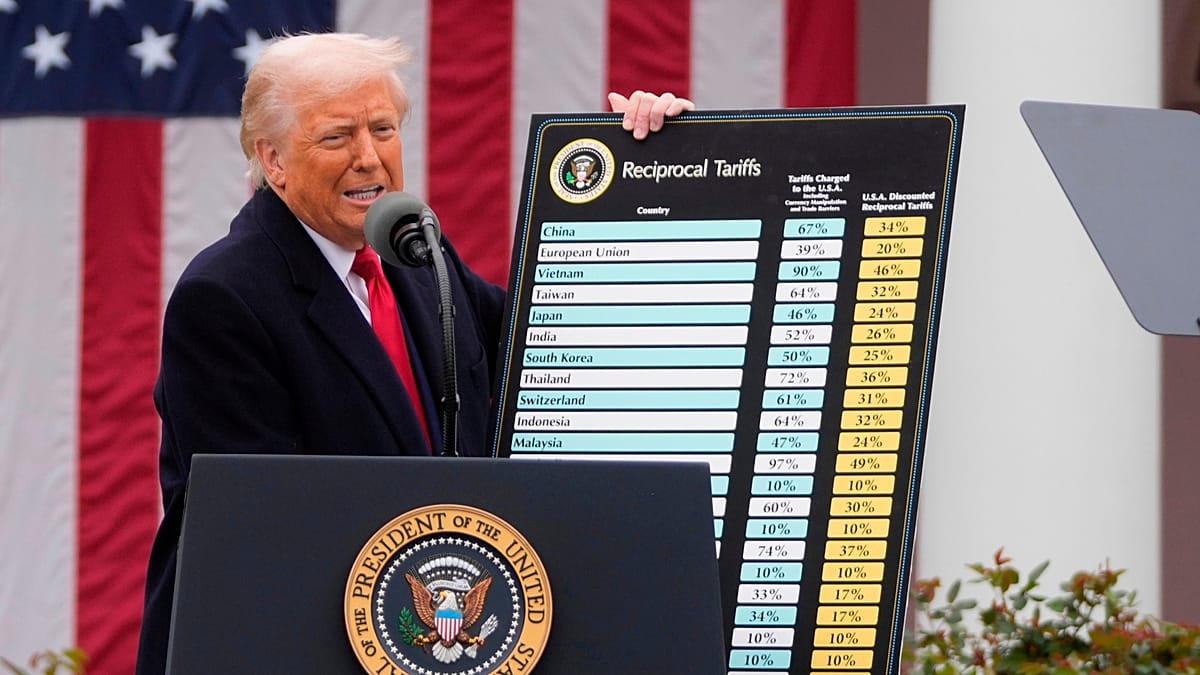


 4 sources
Morning Edition · Friday, July 24, 2026Published at 1:11 AM EDT · New York
United States Imposes New Tariffs of Up to 12.5 Percent on 60 Trading Partners Over Forced-Labor Claims
The duties replace expiring across-the-board levies that the Supreme Court struck down, and they reach India, China, Pakistan and the European Union.
The United States announced new tariffs on 60 trading partners, framing the measures as a response to forced-labor concerns, according to the Financial Times. Euronews reported the new duties range from 10 to 12.5 percent and take effect Friday, replacing an expiring set of across-the-board levies.
The move is an attempt to rebuild a tariff structure after the Supreme Court struck down President Trump's earlier blanket duties. By tying the new levies to a forced-labor investigation, the administration bases them on a legal footing distinct from the one the court rejected.
The list reaches large exporters including China, India, Pakistan and the European Union, Dawn reported. Asian governments pushed back quickly, with officials arguing the measures are protectionism presented as a labor-rights measure, according to The Japan Times. Washington maintains the tariffs address genuine abuses in supply chains.
Veracity: Corroborated
90/100- If true, who benefits
Domestic United States producers shielded from import competition gain, and the administration gains a renewed legal vehicle for tariffs and leverage over trade partners after the courts struck down the blanket duties.
- The nuance
The Section 301 duties of 10 to 12.5 percent on 60 economies are confirmed by the United States Trade Representative, but whether the forced-labor rationale is the genuine purpose or a legal wrapper for protectionism is the disputed point, and targeted governments call it the latter.
An open-source-intelligence read of how likely this story is true with its real nuance, not a judgment of any outlet. It assesses the claim, weighing independent and adversarial reporting. How we label confidence.
What this means
A tariff is a tax paid at the United States border, so the immediate exposure falls on American importers and consumers through higher prices, and on foreign exporters through lost volume. Arriving in the same week as a crude price above 100 dollars, the duties add a second, policy-made source of price pressure on top of the energy shock. Export-heavy economies in Asia and the manufacturers that route through them lose the most, while the legal grounding in a forced-labor probe signals that trade policy will keep being an instrument of leverage rather than a stable framework.
Synthesized from: Financial Times · Euronews · Dawn · The Japan Times
Townsquare
Start a discussion in Townsquare.
More from this edition
- Oil Passes 100 Dollars as United States Strikes Iran for a 13th Night and Trump Weighs a Larger Attack
- India's Sensex Falls More Than 700 Points in a Fifth Straight Session of Losses
- Bitcoin Holds Near 65,000 Dollars as an 800-Billion-Dollar Technology Selloff Spares Crypto
- Houthi Attacks on Saudi Ships Threaten Bab el-Mandeb as Oil Climbs
- Financial Times Warns Value of Real United States Assets Is Shrinking as Financialization Grows
- Student-Led Protests in India Confront Modi Over Economic Grievances
- Ukraine's Drone War Reaches Russia's Largest Online Retailer, Killing Nine
Comments
0No comments yet.