← The Global Intelligence Brief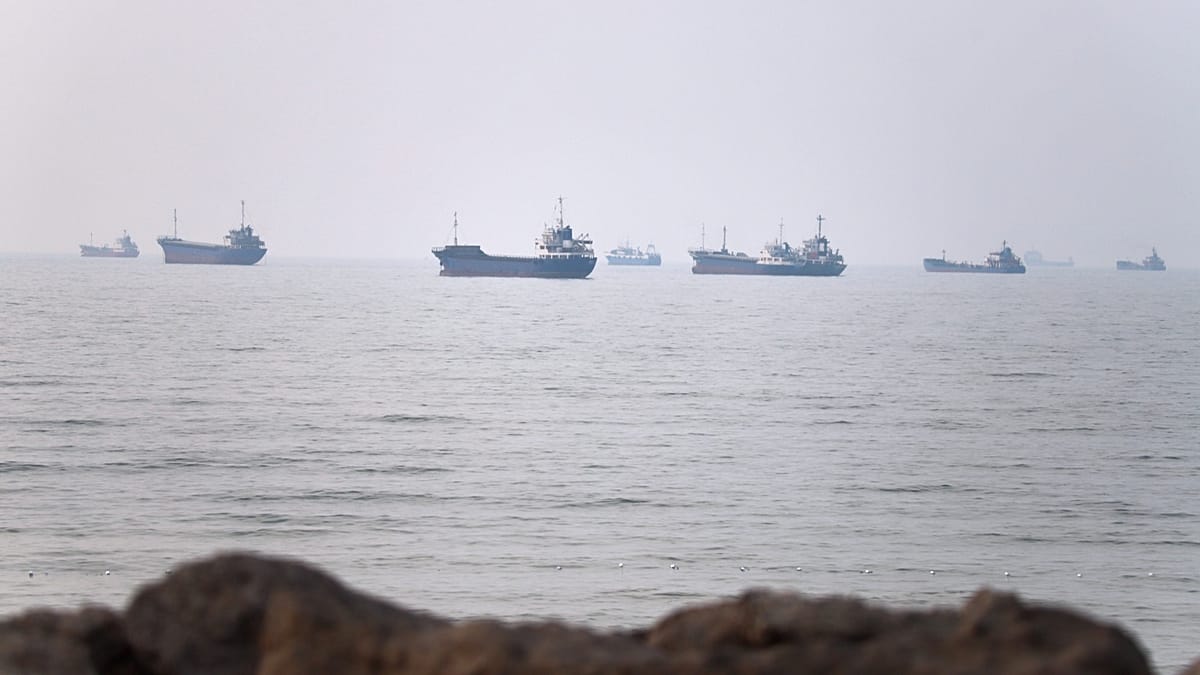

 2 sources
Morning Edition · Friday, July 24, 2026Published at 1:11 AM EDT · New York
Trump Threatens to Seize Frozen Iranian Assets to Pay for Shipping Damage
Tehran called the threat an "incendiary precedent," and Britain said it stood ready to defend itself after Iran's warnings over air bases.
President Trump threatened to use frozen Iranian assets to pay for damage to commercial shipping, a proposal Tehran rejected on Friday as an "incendiary precedent," according to Euronews. The threat came as attacks near the Strait of Hormuz raised the risk to vessels transiting the Gulf.
The confrontation is drawing in Washington's allies. Britain's government said the country was "ready to defend itself around the clock" against any attack, whether on its territory or from abroad, after Iran accused it of complicity, Kommersant reported. Iran has warned about air bases in the region that could be used against it.
Seizing sovereign assets to compensate for wartime damage would be a significant step in how states treat frozen funds. Iran argues it would breach legal norms, while Washington frames it as holding Tehran responsible for harm to civilian shipping.
Veracity: Corroborated
85/100- If true, who benefits
The administration gains a punitive tool and a domestic message that Iran will pay for shipping damage, while non-Western central banks gain a fresh argument for moving reserves into gold beyond United States reach.
- The nuance
Trump's statement and Tehran's "incendiary precedent" response are confirmed, but this remains a threat rather than an executed seizure, and its legal basis for covering unrelated future claims is contested.
An open-source-intelligence read of how likely this story is true with its real nuance, not a judgment of any outlet. It assesses the claim, weighing independent and adversarial reporting. How we label confidence.
What this means
Using frozen sovereign assets to pay for war damage would extend a tool that Western governments have already used against Russia, and each new use gives states outside the Western financial system a stronger reason to hold reserves in gold or other assets beyond the reach of United States and European jurisdictions. The exposed parties are the dollar and euro reserve systems over the long run, and in the near term the allies, such as Britain, that Iran now names as targets. This is a step in the slow move by non-Western states to insulate their reserves from seizure.
Synthesized from: Euronews · Kommersant
Townsquare
Start a discussion in Townsquare.
More from this edition
- Oil Passes 100 Dollars as United States Strikes Iran for a 13th Night and Trump Weighs a Larger Attack
- United States Imposes New Tariffs of Up to 12.5 Percent on 60 Trading Partners Over Forced-Labor Claims
- India's Sensex Falls More Than 700 Points in a Fifth Straight Session of Losses
- Bitcoin Holds Near 65,000 Dollars as an 800-Billion-Dollar Technology Selloff Spares Crypto
- Houthi Attacks on Saudi Ships Threaten Bab el-Mandeb as Oil Climbs
- Financial Times Warns Value of Real United States Assets Is Shrinking as Financialization Grows
- Student-Led Protests in India Confront Modi Over Economic Grievances
Comments
0No comments yet.