← The Global Intelligence Brief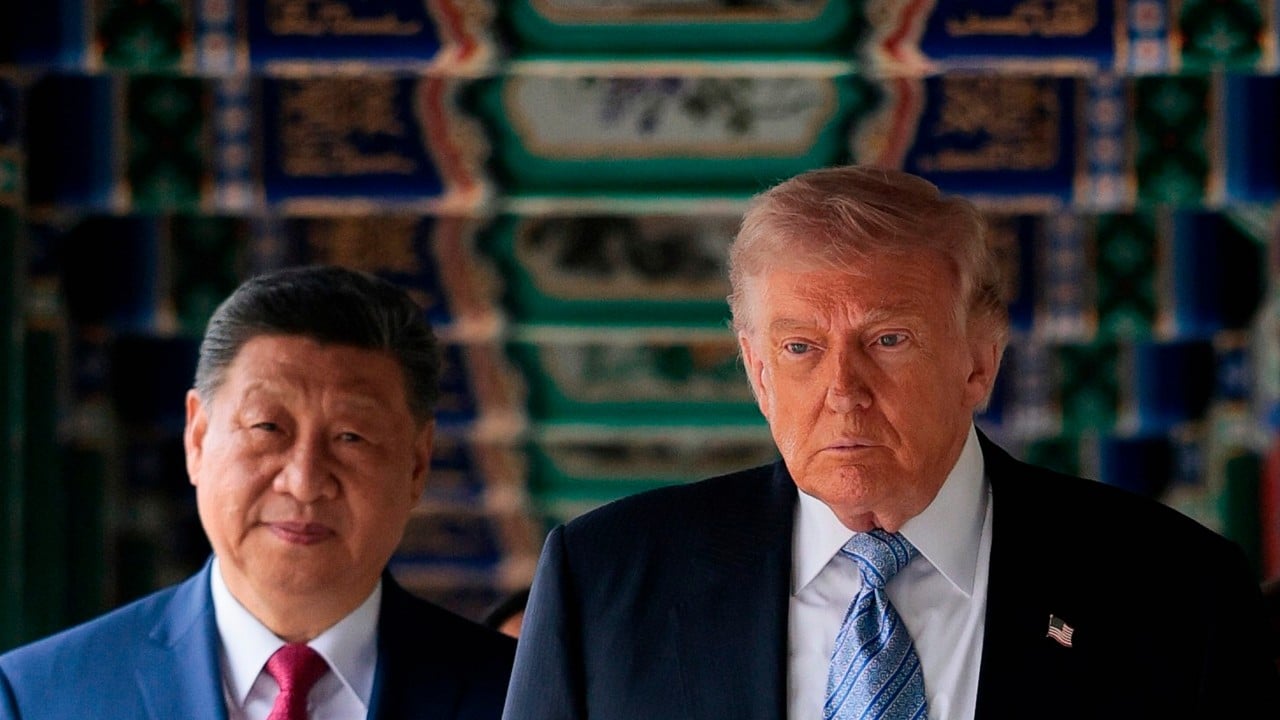

 2 sources
Morning Edition · Thursday, July 30, 2026Published at 1:19 AM EDT · New York
Trump Warns Xi Against Arming Iran Weeks Before a Planned Visit
The US president said he would be "quite disappointed" if China broke a promise not to supply Iran, as analysts argue Washington's Gulf partners remain dependent on American security.
President Donald Trump said he would be "quite disappointed" if President Xi Jinping broke what Trump described as a personal promise not to arm Iran, according to the South China Morning Post, which reported the warning came ahead of Xi's planned September trip. Trump also revived his accusation that a former US health official had protected Beijing from scrutiny over the origins of COVID-19, mixing an economic relationship with unresolved grievances.
The comments come as the Iran war tests Washington's regional partnerships. The Financial Times argued that Saudi Arabia remains structurally dependent on American security despite Crown Prince Mohammed bin Salman's ambitions, and that Israeli Prime Minister Benjamin Netanyahu's preferences continue to shape US decisions in the region more than Riyadh's.
Together the accounts describe a widening war that forces both a rival great power and treaty-adjacent partners into costly choices. China's posture toward Iran and the Gulf states' reliance on Washington are being tested in the same conflict.
Veracity: Corroborated
76/100- If true, who benefits
US hawks and Israel, since a narrative that Beijing may arm Tehran strengthens the case for more trade and export restrictions ahead of the September summit.
- The nuance
Trump's "disappointed" warning is real and widely reported, but the underlying premise that China is arming Iran rests on an unconfirmed report of shoulder-fired missiles, and Beijing has not acknowledged any promise or shipment.
An open-source-intelligence read of how likely this story is true with its real nuance, not a judgment of any outlet. It assesses the claim, weighing independent and adversarial reporting. How we label confidence.
What this means
The question of whether China supplies Iran connects the Gulf war to the US-China relationship and to the September summit that markets expect to shape tariff and technology policy. If Beijing is seen aiding Tehran, it strengthens the case in Washington for further trade and export restrictions, which raises costs across supply chains. Gulf oil producers gain leverage as suppliers but remain dependent on US protection, so their ability to pursue an independent course narrows each time the conflict escalates.
What to watch
Synthesized from: South China Morning Post · Financial Times
Townsquare
Start a discussion in Townsquare.
More from this edition
- US Hits Iran Near the Strait of Hormuz Again as Tehran Vows to "Punish the Aggressor Today" and Brent Tops $92
- German Bankruptcies Hit a 21-Year High as Europe Confronts a Second China Shock
- Russia Launches Mass Overnight Strikes on Ukraine as Both Sides Escalate
- Japan's Kumamoto Earthquake Toll Rises as Survivors Face Heat Without Power or Water
- China Presses Ahead on Homegrown AI Even as Western Investors Question the Spending
- Japan Moves to Cut the Food Sales Tax to 1 Percent for Two Years
- Russia Puts Telegram Founder on Wanted List as Australia Prepares Legal Action
- Adani Ports Slips After Earnings Even as Brokerages See Upside
Comments
0No comments yet.