← The Global Intelligence Brief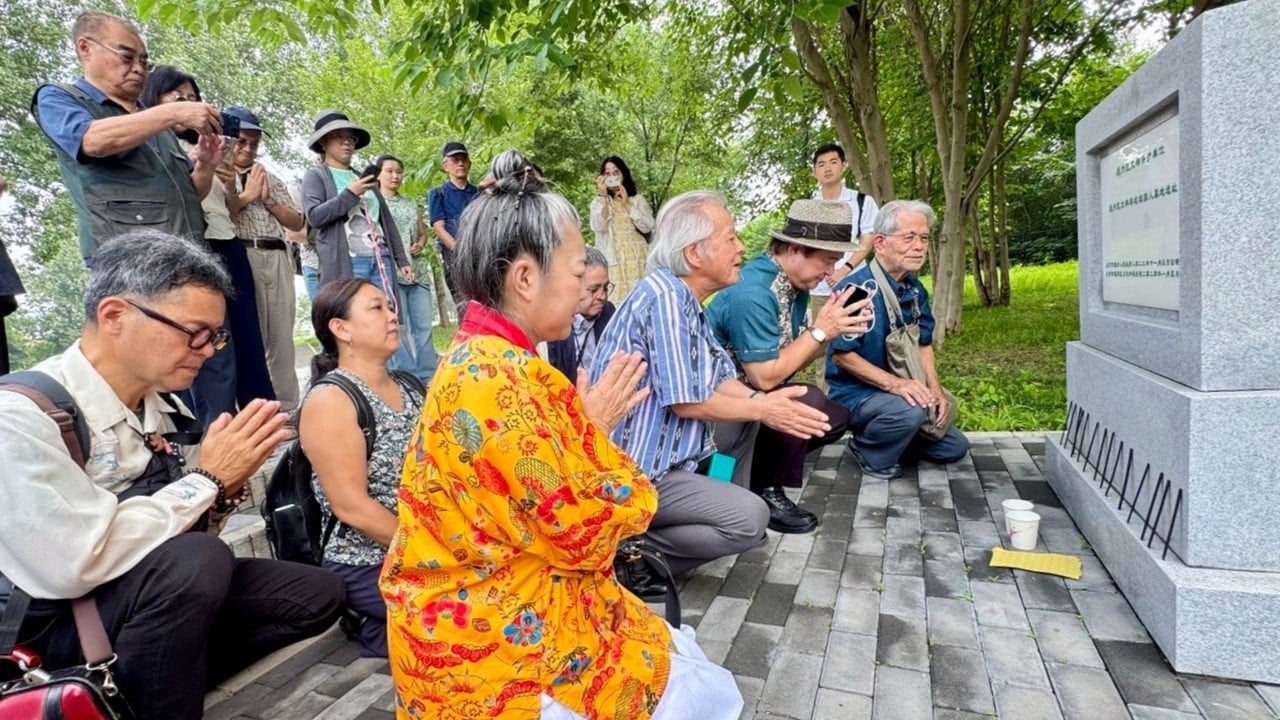
 1 source
Morning Edition · Thursday, July 30, 2026Published at 1:19 AM EDT · New York
Okinawa Delegation Visits a Beijing Cemetery as China Highlights Historic Ties With Japan
The tribute at a Ryukyu Kingdom burial site underlines how Beijing is using cultural history as leverage in its frictions with Tokyo.
A delegation from the Japanese prefecture of Okinawa paid tribute to ancestors at a historic Ryukyu Kingdom cemetery in Beijing, according to the South China Morning Post. The visit drew on centuries-old ties between the former Ryukyu Kingdom, which is now Okinawa, and China, at a moment of heightened tension between Beijing and Tokyo.
The report described the gesture as part of a pattern in which China uses shared history to build local relationships that operate below the level of formal state-to-state friction. Okinawa hosts a large concentration of US military forces, which gives any shift in local opinion strategic significance.
The episode is small in itself, but it fits China's broader effort to cultivate ties with neighbors and sub-national actors as it assembles relationships parallel to Western-led alliances.
Part of a tracked trend
China Anchors a Parallel Bloc
China keeps deepening ties with neighbors and Global South states through high-level diplomacy, assembling a bloc that runs parallel to Western-led alliances and hardens a multipolar order.
Veracity: Corroborated
82/100- If true, who benefits
Beijing, which uses shared Ryukyu history to cultivate sub-national ties that could weaken Okinawan support for the US military presence and drive a wedge with Tokyo.
- The nuance
The delegation's visit is real and occurred in late June, but whether it is Chinese strategic leverage or a genuine cultural tribute is disputed, and the article adopts the western strategic reading over Chinese state media's "honoring ancestors and calling for peace" framing.
An open-source-intelligence read of how likely this story is true with its real nuance, not a judgment of any outlet. It assesses the claim, weighing independent and adversarial reporting. How we label confidence.
What this means
Cultural diplomacy aimed at Okinawa targets the most sensitive part of the US military position in Asia, since the prefecture hosts forces central to deterring China in the region. Any long-term shift in local opinion would complicate basing arrangements that markets treat as fixed when pricing Indo-Pacific stability. The exposure is slow-moving and strategic. It strengthens a multipolar dynamic in which Beijing builds influence below the level of formal alliances, which over time affects supply-chain and defense planning across East Asia.
Source: South China Morning Post
Townsquare
Start a discussion in Townsquare.
More from this edition
- US Hits Iran Near the Strait of Hormuz Again as Tehran Vows to "Punish the Aggressor Today" and Brent Tops $92
- German Bankruptcies Hit a 21-Year High as Europe Confronts a Second China Shock
- Russia Launches Mass Overnight Strikes on Ukraine as Both Sides Escalate
- Japan's Kumamoto Earthquake Toll Rises as Survivors Face Heat Without Power or Water
- China Presses Ahead on Homegrown AI Even as Western Investors Question the Spending
- Trump Warns Xi Against Arming Iran Weeks Before a Planned Visit
- Japan Moves to Cut the Food Sales Tax to 1 Percent for Two Years
- Russia Puts Telegram Founder on Wanted List as Australia Prepares Legal Action
Comments
0No comments yet.