← The Global Intelligence Brief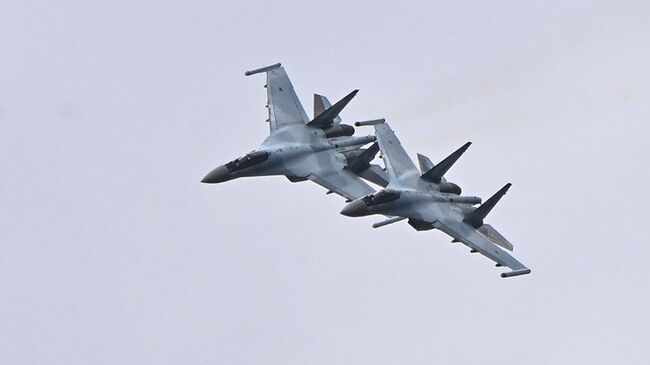


 3 sources
Morning Edition · Thursday, July 30, 2026UpdatedPublished at 7:01 AM EDT · New York
Russia Launches Mass Overnight Strikes on Ukraine as Both Sides Escalate
Moscow says it hit airfields and defense plants across seven regions and struck cargo ships at the port of Pivdennyi, while Kyiv says it developed a new interceptor against Russian drones in three months.
Updated at 7:01 AM EDT
Ukrainian officials and the Associated Press reported the overnight strikes killed at least eight people and wounded dozens, with the heaviest losses in Dnipropetrovsk and Lviv, and Russia said it downed 258 Ukrainian drones.
Russia's Defense Ministry said its forces carried out a large overnight strike on Ukrainian military-industrial targets, with RIA Novosti reporting hits on defense plants and TASS listing airfields and military sites in Kyiv, Lviv and five other regions. Russian state media also reported that its forces struck a cargo ship in the port of Pivdennyi and two more vessels at sea, extending the campaign against Ukraine's export and supply infrastructure. These claims come from Russian official sources and were not independently verified. Ukrainian authorities and the Associated Press said the attacks killed at least eight people and wounded dozens across the country, with the heaviest casualties in the eastern Dnipropetrovsk region and the western Lviv region, while Moscow said its air defenses downed 258 Ukrainian drones overnight.
On the Ukrainian side, Globes reported that Kyiv unveiled a new interceptor developed in roughly three months to counter Russian Shahed-type attack drones, and that the United States is buying older-generation Patriot interceptors to replace depleted stocks. The account shows how both militaries are compressing weapons development and procurement cycles while the war continues.
The exchange fits a longer pattern in which Ukraine targets Russian energy and logistics while Russia strikes Ukraine's grid, ports and arms production. Each round pressures the other's ability to sustain revenue and materiel.
Part of a tracked trend
Ukraine's Deep Strikes on Russian Energy and Logistics
Ukraine sustains a campaign against Russian refineries and supply lines over the next 3-6 months, pressuring Moscow's oil revenue while Russia retaliates against Ukraine's grid.
Veracity: Plausible
71/100- If true, who benefits
Defense manufacturers gain sustained demand, and Russia's "military targets" framing serves to justify striking Ukraine's ports and grain-export infrastructure.
- The nuance
The article correctly flags Moscow's claims as unverified, but independent reporting confirms only that Pivdennyi and vessels were hit, not Russia's characterization of the ships as military cargo, which Kyiv disputes.
An open-source-intelligence read of how likely this story is true with its real nuance, not a judgment of any outlet. It assesses the claim, weighing independent and adversarial reporting. How we label confidence.
What this means
The strikes on ports and cargo ships put Black Sea grain and commodity flows at renewed risk, which matters for global food prices and for the insurers and shippers pricing that route. The rapid interceptor development and the US purchase of older Patriots signal that Western air-defense inventories are running low, which raises the cost and lengthens the timeline for supporting Ukraine and for restocking allied arsenals. Defense manufacturers gain sustained demand, grain importers and shippers bear the risk.
What to watch
Synthesized from: RIA Novosti (Russian) · TASS (Russian) · Globes (Hebrew)
Townsquare
Start a discussion in Townsquare.
More from this edition
- US Hits Iran Near the Strait of Hormuz Again as Tehran Vows to "Punish the Aggressor Today" and Brent Tops $92
- German Bankruptcies Hit a 21-Year High as Europe Confronts a Second China Shock
- Japan's Kumamoto Earthquake Toll Rises as Survivors Face Heat Without Power or Water
- China Presses Ahead on Homegrown AI Even as Western Investors Question the Spending
- Trump Warns Xi Against Arming Iran Weeks Before a Planned Visit
- Japan Moves to Cut the Food Sales Tax to 1 Percent for Two Years
- Russia Puts Telegram Founder on Wanted List as Australia Prepares Legal Action
- Adani Ports Slips After Earnings Even as Brokerages See Upside
Comments
0No comments yet.