← The Global Intelligence Brief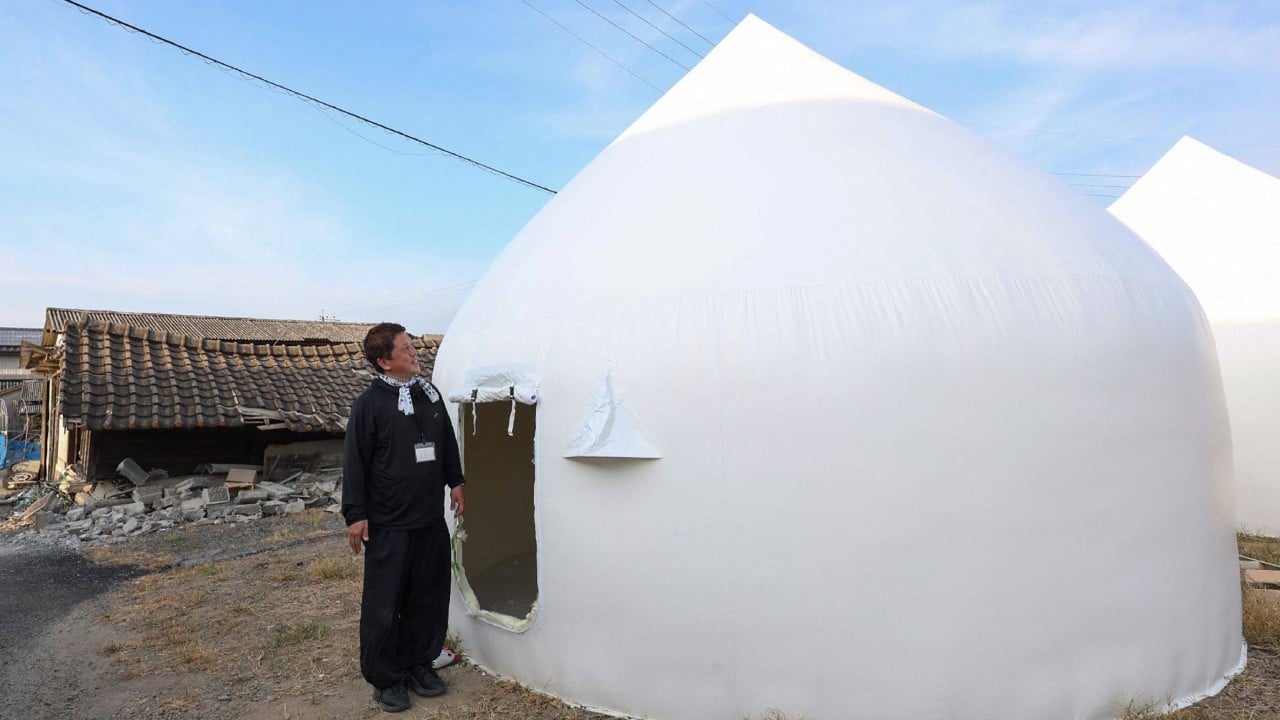

 2 sources
Morning Edition · Sunday, August 2, 2026Published at 1:33 AM EDT · New York
Extreme Heat Claims a Life Among Survivors of Japan's Kumamoto Earthquake
An elderly woman died of suspected heatstroke while sheltering in a car, the latest death as an extreme-heat warning adds to the effects of last week's earthquake.
A woman in her 70s died of suspected heatstroke while sheltering in her car in Kumamoto prefecture, officials said Sunday, the latest death attributed to the powerful earthquake that struck southwestern Japan last week. Authorities classified it as a disaster-related death, meaning the earthquake created the circumstances that led to it.
Survivors are contending with extreme heat over the first weekend since the quake, and officials are warning of the danger to people displaced from their homes and living in cars or temporary shelters. The combination of an earthquake and a heatwave places additional strain on an aging population and on the emergency systems responding to both.
The episode illustrates how overlapping disasters increase their combined human cost. An earthquake that damages housing forces people into conditions that a following heatwave makes deadly, and the second hazard extends the toll of the first well after the earthquake itself.
Part of a tracked trend
Disasters as Political and Supply Shocks
Major natural disasters in commodity-producing states translate into political instability and supply disruptions that markets increasingly have to price, recurring as climate and geological shocks hit fragile economies.
What this means
Compounding disasters, an earthquake followed by extreme heat, raise the human and financial cost of each event beyond what either would cause alone, straining Japan's emergency response and reconstruction budgets in an aging society. The channel is capacity. Displaced populations in temporary shelter are exposed to a second hazard, which extends casualties and lengthens recovery. For a country already managing high public debt and demographic decline, recurring compound disasters add a persistent demand on public resources.
What to watch
- The heat-related death toll among displaced survivors, which measures how far the second hazard extends the earthquake's cost.
- Japanese government disaster-relief and reconstruction allocations, an added demand on strained public finances.
Observations to monitor, not financial advice.
Synthesized from: South China Morning Post · The Japan Times
Townsquare
Start a discussion in Townsquare.
More from this edition
- US and Japan Jointly Buy Yen to Halt Its Slide, First Coordinated Intervention Since 2011
- Trump Halts Fresh Iran Strikes, Citing Gulf-Backed Outline for Reopening Hormuz
- Ukraine Launches Mass Overnight Drone Strikes as Russia Reports 635 Intercepts
- Volkswagen Turns to Headhunters to Place Hundreds of Managers It Is Cutting
- Bomb Kills Three Outside Moscow Restaurant Hosting Military Officers
- Tens of Thousands Cross From Morocco Into Spain's Ceuta, Straining EU Borders
- Brokerage Sees Indian Textile Exporters Gaining as Sourcing Shifts From China
- Israeli Strikes Kill Eight in Gaza Days After Hamas Disarmament Framework
Comments
0No comments yet.