← The Global Intelligence Brief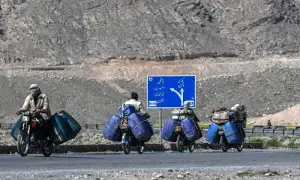
Morning Edition · Sunday, August 2, 2026Published at 1:16 AM EDT · New York
Oil Holds Near 88 Dollars With Hormuz Still Choked and Iranian Crude Smuggling Down 60 Percent
United States Central Command says a naval blockade has redirected about 30 commercial vessels, while tanker attacks inside Pakistan's Balochistan have cut illicit Iranian oil flows.
Crude oil ended last week near 88 dollars a barrel for Brent, still roughly 40 percent above its level before the war, as the Strait of Hormuz remained effectively closed. The conflict has reshaped physical flows as much as prices. Dawn reported that smuggled Iranian oil into Pakistan has fallen about 60 percent after tankers were struck inside Balochistan, inflicting heavy losses on the illicit trade.
The chokepoint is being enforced militarily. United States Central Command said a naval blockade had redirected some 30 commercial vessels, according to Dawn, while Iran threatened, in a live account carried by The Hindu, to strike the energy fields of other nations if Washington resumed attacks. That threat is what places about a quarter of global supply, not just Iran's own exports, inside the risk premium.
The market is pricing a structural change, not a one-time shock. When a chokepoint that moves a fifth of seaborne oil can be closed and reopened at will, buyers and sellers build costly workarounds, and the insurance and freight costs built into every Gulf cargo rise and stay elevated even when the fighting pauses.
Part of a tracked trend
Hormuz Chokepoint Repricing
Recurring Gulf conflict forces energy exporters and importers to build costly workarounds around the Strait of Hormuz, permanently raising the risk premium embedded in Gulf trade and infrastructure.
Veracity: Plausible
68/100- If true, who benefits
Non-Gulf oil producers and holders of spare shipping and storage gain from a sustained risk premium, and Washington gains from a narrative of effective enforcement of the chokepoint.
- The nuance
The 60 percent smuggling drop rests on anonymous "sources" in a single outlet, and who struck the tankers inside Balochistan is left unattributed rather than confirmed as United States or Iranian action.
An open-source-intelligence read of how likely this story is true with its real nuance, not a judgment of any outlet. It assesses the claim, weighing independent and adversarial reporting. How we label confidence.
What this means
A partly closed Hormuz redistributes income toward producers outside the Gulf and toward anyone with spare shipping and storage, while importers in Asia and Europe pay more for crude and for the insurance to move it. The mechanism is not only supply lost but the permanent risk premium that raises freight and hedging costs. Refiners with access to non-Gulf barrels gain relative to those dependent on Middle Eastern grades.
What to watch
Townsquare
Start a discussion in Townsquare.
More from this edition
- United States Treasury Buys Yen With Japan to Halt a 40-Year Low, Its First Such Intervention in Over a Decade
- Trump Halts New Strikes on Iran After Gulf States Outline a Deal to Reopen the Strait of Hormuz
- India's Earnings Week Opens as Brokerages Bet on a Textile Shift Away From China
- Volkswagen Turns to Headhunters to Place Hundreds of Managers It Is Cutting
- Russia Says It Downed 635 Ukrainian Drones Overnight as Strikes Hit Southern Regions
- Bomb at Central Moscow Restaurant Kills Three, Including the Woman Who Carried It
- United States Commander Warns Navy Is Stretched Too Thin to Defend Israel and Its Own Interests
Comments
0No comments yet.