← The Global Intelligence Brief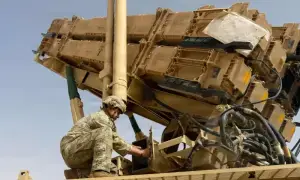
 1 source
Morning Edition · Sunday, August 2, 2026Published at 1:16 AM EDT · New York
United States Commander Warns Navy Is Stretched Too Thin to Defend Israel and Its Own Interests
A top American officer says the military has used nearly half its high-altitude missile interceptors, consuming defenses faster than industry can replace them.
A senior United States commander has warned that the navy is overextended and that Washington may face a choice between its own interests and the defense of Israel if the war with Iran resumes, according to Dawn. The report says the military has already used nearly half of its Terminal High Altitude Area Defense (THAAD) interceptors, the ground-based system that stops incoming ballistic missiles.
The core problem is arithmetic. Missile defenses are being consumed faster than manufacturers can produce replacements, which limits how long the United States can sustain protection across multiple theaters at once. The warning helps explain why Gulf states pressed for restraint and why the diplomatic pause described this weekend was taken seriously in Washington.
The constraint is structural rather than tactical. A power that cannot simultaneously defend an ally and its own forces in one region has less freedom of action everywhere else, a limit that shapes decisions from the Gulf to Europe to the Pacific.
Part of a tracked trend
Iran War Spills Across Fronts
The US-Iran conflict keeps drawing in new theaters and third parties, from the Red Sea to the Caspian, so its risk premium spreads to infrastructure and shipping lanes previously thought insulated from the Gulf.
Veracity: Corroborated
82/100- If true, who benefits
Advocates of higher United States defense procurement and of Gulf restraint, since interceptor depletion argues for both replenishing stockpiles and avoiding new fronts.
- The nuance
The warning is a leaked internal message from the European Command chief, and the "nearly half" interceptor figure is one estimate among several stockpile claims rather than an audited count.
An open-source-intelligence read of how likely this story is true with its real nuance, not a judgment of any outlet. It assesses the claim, weighing independent and adversarial reporting. How we label confidence.
What this means
Interceptor depletion is a firm limit on how many fronts the United States can cover, and it makes each new escalation more consequential than the last. Exposed are allies who assume open-ended American protection, from Israel to Taiwan to eastern Europe, and defense manufacturers who now hold multi-year backlogs. The channel is capacity, not will. When stockpiles run low, diplomacy becomes the cheaper option, which is part of why the strikes were paused.
What to watch
Source: Dawn
Townsquare
Start a discussion in Townsquare.
More from this edition
- United States Treasury Buys Yen With Japan to Halt a 40-Year Low, Its First Such Intervention in Over a Decade
- Trump Halts New Strikes on Iran After Gulf States Outline a Deal to Reopen the Strait of Hormuz
- Oil Holds Near 88 Dollars With Hormuz Still Choked and Iranian Crude Smuggling Down 60 Percent
- India's Earnings Week Opens as Brokerages Bet on a Textile Shift Away From China
- Volkswagen Turns to Headhunters to Place Hundreds of Managers It Is Cutting
- Russia Says It Downed 635 Ukrainian Drones Overnight as Strikes Hit Southern Regions
- Bomb at Central Moscow Restaurant Kills Three, Including the Woman Who Carried It
Comments
0No comments yet.