← The Global Intelligence Brief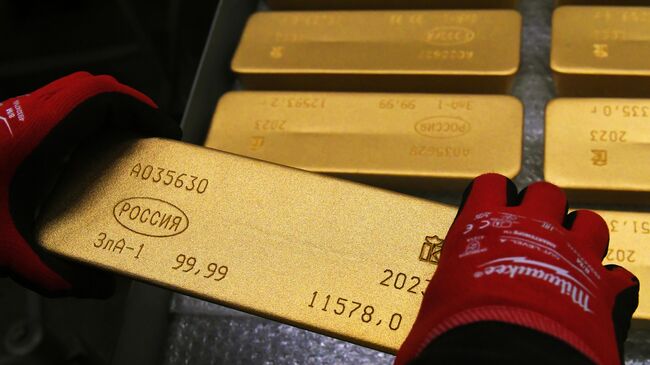


 4 sources
Morning Edition · Monday, August 17, 2026UpdatedPublished at 7:36 AM EDT · New York
Gold Trades Near $4,390 an Ounce as Central Banks Add 289 Tonnes Through a Falling Quarter
Official-sector purchases rose 62 percent from a year earlier even as the metal sat far below its January peak of $5,589, a divergence between price and reserve policy.
Updated at 7:36 AM EDT
Since publication, weak July retail sales data has cut the market-implied odds of a September Federal Reserve rate increase to roughly 31 percent, down from near 50 percent, softening the rate-driven headwind the story described.
Gold changed hands at about $4,390 an ounce late on Sunday in New York, up roughly 0.4 percent on the session, with other dealer quotes running near $4,420. By Monday's European session the metal had extended its advance to above $4,400, touching an intraday high near $4,416. Silver traded around $65.63 an ounce. Both metals sit well below the level gold reached in January, when it peaked intraday at $5,589.38.
The more informative number is not the price. Central banks added a net 289 tonnes of gold in the second quarter, a 62 percent increase on the same quarter a year earlier, and they bought it while the price was falling. The World Gold Council's June survey of reserve managers found 45 percent intend to add gold over the next twelve months. Official buyers are not trading the metal. They are reallocating reserves out of instruments that carry the credit and sanction risk of another state.
The monetary-policy backdrop, which had been working against gold, eased over the weekend. United States retail sales fell 0.6 percent in July, well below the 0.1 percent rise economists had forecast, and the miss cut the market-implied odds of a Federal Reserve rate increase at the September meeting to roughly 31 percent, down from near 50 percent before the data. The Federal Open Market Committee had left its target range at 3.50 to 3.75 percent in late July with three members dissenting in favour of an increase, and futures markets had briefly priced one to two further rises by year end. United States inflation eased to 3.5 percent in June, its first decline in five months, but energy costs are still feeding through. A lower probability of further rate increases reduces the cost of holding a metal that pays no interest, which is the main reason gold has recovered ground since last week even as the broader outlook from January's peak remains one of a steep pullback.
Retail attention has followed the multi-year gain. Russian state media on Monday published a guide to countries where private individuals may legally prospect for gold themselves, the kind of consumer coverage that appears late in a long price advance rather than early in one.
What this means
Two distinct buyers are setting the gold price and they respond to different signals. Financial investors sell when real interest rates rise, which has pulled the price down from January. Central banks buy for reserve safety and are insensitive to price, which puts a floor under demand that did not exist in earlier cycles. That split means gold's drawdowns are shallower than rate moves alone would produce, and it transfers a slice of global reserve demand away from Treasury securities, which raises the marginal cost of financing the United States deficit.
What to watch
- The World Gold Council's third-quarter central bank data, because a second consecutive quarter of heavy buying into falling prices would confirm that official demand is policy-driven rather than opportunistic.
- Whether the Federal Reserve's September meeting produces a rate increase, since a hike raises the opportunity cost of holding metal and would test how much official buying offsets investor selling.
- The gap between the gold and silver moves, as silver's industrial demand makes it the more sensitive of the two to any slowdown in manufacturing.
Observations to monitor, not financial advice.
Synthesized from: RIA Novosti · USAGold · GoldSilver · Trading Economics
Townsquare
Start a discussion in Townsquare.
More from this edition
- Private Credit Distress Signals Return to Levels Last Seen in 2017, Financial Times Analysis Finds
- Iran Declares a "Fully Offensive" Turn in Hormuz as the US Deal Lapses and Brent Climbs Past $90
- Washington Prepares to Tell 35 Countries to Choose Between American and Chinese Artificial Intelligence
- Bitcoin Recovers Above $64,000 in Asian Trading After Every Major Token Fell Over the Week
- Trump Endorses the Makkah Joint Defence Agreement Signed by Saudi Arabia, Turkey and Pakistan
- Trump Orders Reduced Exercises With South Korea as Seoul Says the Drills Began on Schedule
- Kushner Meets Hamas Leader in Egypt as Israel's Coalition Splits Over the 15-Point Road Map
Comments
1Aug 17, 8:45 AM · edited
Official buyers absorb 289 tonnes per quarter into reserves they do not resell, and with 45 percent of reserve managers planning further additions, the float shrinks independent of spot price direction.