← The Global Intelligence Brief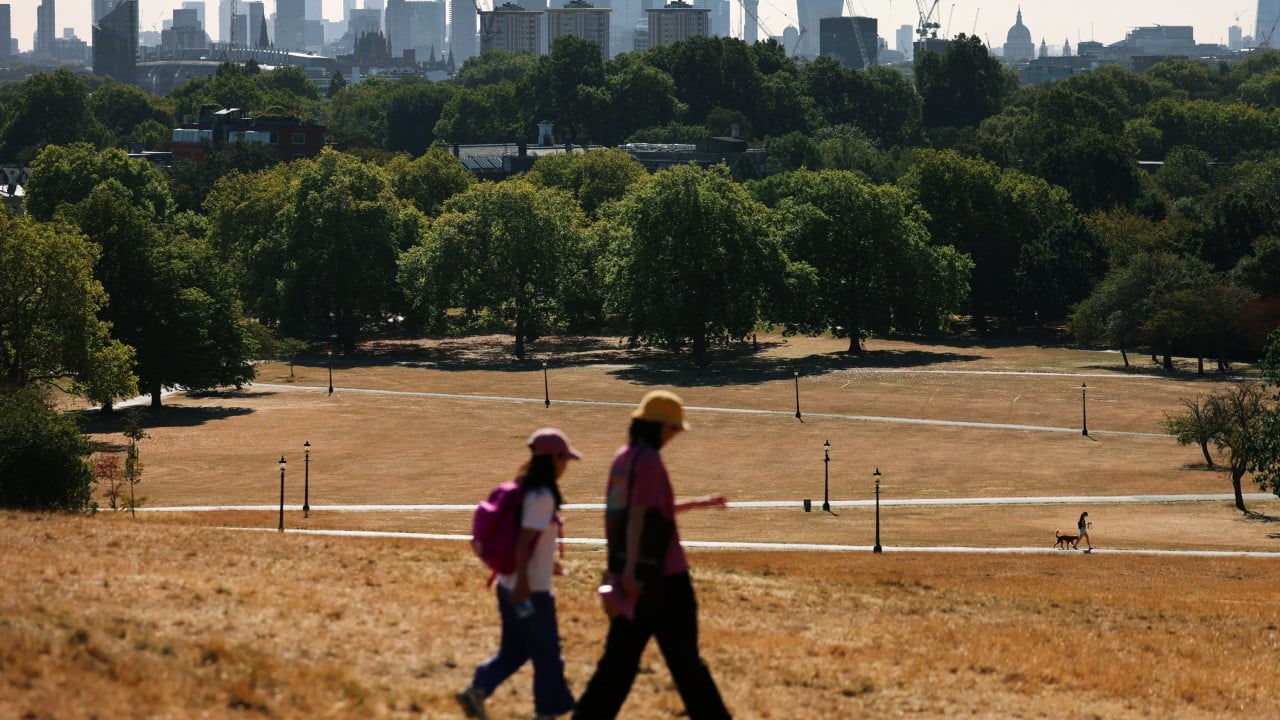


 4 sources
Morning Edition · Monday, August 17, 2026Published at 1:13 AM EDT · New York
Moody's Puts Last Summer's European Heat Losses at €43 Billion Against €500 Million of Insured Payouts
Only 17 percent of European companies hold cover for business interruption without physical damage, and a Belgian wildfire has burned 3,000 hectares as it moves toward the German border.
Moody's estimates that last summer's European heat waves cost €43 billion in lost economic output while generating about €500 million in insured payouts. The ratio is the story. Almost all of the loss sits on company balance sheets rather than on insurers.
The reason is structural. Standard commercial policies pay for physical damage. Heat does not damage buildings, it stops customers from arriving and workers from working. Only 28 percent of small and medium-sized European businesses carry business interruption insurance at all, and only 17 percent hold policies that pay out for interruption without physical damage. A survey of roughly 600 hospitality businesses in Padua and its province found more than 80 percent reported turnover declines of about 20 percent during the recent heat.
Public services are absorbing a parallel cost. In a survey by the Doctors' Association UK, medical staff described this year's heat in British hospitals as horrific, unbearable and unsafe, reporting patients too sweaty to receive intravenous drips, medication at risk of degrading and colleagues collapsing at work. In Belgium, firefighters are working to contain a blaze in the High Fens park that has grown to 3,000 hectares in two days and is moving toward the German border.
Insurers are responding with parametric contracts that pay automatically once temperature passes a defined level, removing the argument over whether damage occurred. KBV Research forecasts the European parametric market will reach $7.93 billion by 2031, growing at 9.5 percent a year.
What this means
An uninsured loss is a direct hit to corporate cash flow, not a transfer to the insurance sector. European small firms in hospitality, retail, agriculture and construction absorb the €43 billion themselves, which reduces investment capacity and raises credit risk in exactly the segment that borrows from regional banks. Insurers face the opposite position. They collect premiums on a risk they largely do not cover, which is profitable now and invites regulatory attention later. Parametric products shift some of that exposure back onto insurer balance sheets at a price.
What to watch
- Whether European insurers write parametric heat cover at scale this year, since take-up would show the protection gap is closing through the market rather than through public subsidy.
- Second and third-quarter results from European hospitality and retail groups, which will show how much of the estimated loss reaches reported earnings.
- Whether the Belgian wildfire crosses into Germany, because a cross-border fire triggers a different and slower emergency response framework.
Observations to monitor, not financial advice.
Synthesized from: The Japan Times · South China Morning Post · The Japan Times · Business Recorder
Townsquare
Start a discussion in Townsquare.
More from this edition
- Private Credit Distress Signals Return to Levels Last Seen in 2017, Financial Times Analysis Finds
- Gold Trades Near $4,390 an Ounce as Central Banks Add 289 Tonnes Through a Falling Quarter
- Iran Declares a "Fully Offensive" Turn in Hormuz as the US Deal Lapses and Brent Climbs Past $90
- Washington Prepares to Tell 35 Countries to Choose Between American and Chinese Artificial Intelligence
- Bitcoin Recovers Above $64,000 in Asian Trading After Every Major Token Fell Over the Week
- Trump Endorses the Makkah Joint Defence Agreement Signed by Saudi Arabia, Turkey and Pakistan
- Trump Orders Reduced Exercises With South Korea as Seoul Says the Drills Began on Schedule
Comments
0No comments yet.