← The Global Intelligence Brief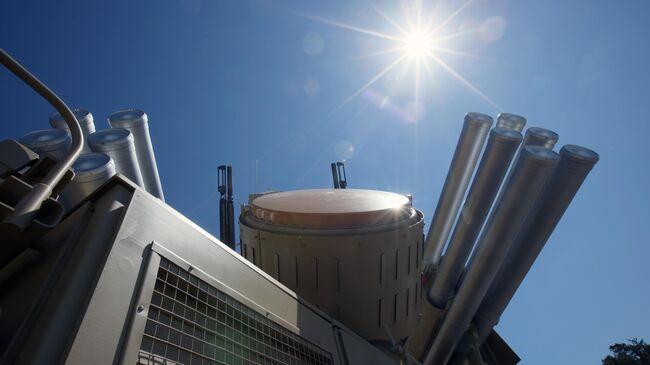


 4 sources
Morning Edition · Monday, August 17, 2026Published at 1:13 AM EDT · New York
Russia Reports Downing 205 Drones Overnight Across Nine Regions as Sochi Airport Restricts Flights
The defence ministry listed Astrakhan, Belgorod, Bryansk, Voronezh, Volgograd, Kaluga, Kursk and Rostov among the affected regions, days after Ukrainian drones struck a refinery 800 miles from the border.
Russia's defence ministry said air defences intercepted and destroyed 205 fixed-wing drones over nine Russian regions during the night, naming Astrakhan, Belgorod, Bryansk, Voronezh, Volgograd, Kaluga, Kursk and Rostov among them. RIA Novosti reported that 12 of those were downed over Voronezh region alone. The figures come from the ministry and have not been independently verified. Ukraine has not commented on the overnight operation.
Civil aviation absorbed the consequence. The federal air transport agency imposed temporary flight restrictions at Sochi airport and lifted earlier restrictions at Nizhny Novgorod. Restrictions of this kind now recur several times a week at airports across southern and central Russia, and each one strands aircraft and crews away from schedule.
The overnight activity follows a sustained Ukrainian campaign against Russian refining. Drones struck a major refinery roughly 800 miles from the Ukrainian border on 13 August, the fourth such strike in three days, and an earlier attack on the city of Nizhnekamsk killed 13 people including a child and wounded 75, according to authorities in Tatarstan. The strikes have reduced Russian refining throughput and produced fuel shortages at filling stations in several regions.
Russian military sources meanwhile told TASS that Ukraine is redeploying part of its main drone unit from the Pokrovsk axis to the Zaporizhzhia direction, a claim that Kyiv has not confirmed.
Part of a tracked trend
The War Reaches Russia's Interior
The Ukraine war increasingly manifests inside Russia through drone strikes and attacks on soft targets far from the front, steadily raising the country's domestic risk premium and internal-security costs.
Veracity: Plausible
57/100- If true, who benefits
Moscow gains from a high interception count that presents its air defences as effective and its losses as contained, while Kyiv gains from the separate and better-documented record of damage to Russian refining, which is what moves fuel product prices.
- The nuance
The 205 figure and its regional breakdown come only from the Russian defence ministry with no independent verification and no Ukrainian counter-claim, the ministry reported 822 drones for the preceding night which makes single-night totals hard to compare, and the Nizhnekamsk death toll was reported by regional officials as 12 or 13 after a strike dated 10 August rather than 13 August.
An open-source-intelligence read of how likely this story is true with its real nuance, not a judgment of any outlet. It assesses the claim, weighing independent and adversarial reporting. How we label confidence.
What this means
The campaign works through refining capacity rather than crude production. Russia can still lift oil, but damaged refineries force it to export more unprocessed crude at a discount while importing or rationing refined product at home, which cuts the revenue per barrel that funds the budget. The domestic cost compounds separately through aviation. Repeated airport closures raise insurance, fuel and crew costs for Russian carriers and reduce the reliability of internal transport in a country whose economy depends on long-distance air links.
Synthesized from: Kommersant · RIA Novosti · RIA Novosti · TASS (Russian)
Townsquare
Start a discussion in Townsquare.
More from this edition
- Private Credit Distress Signals Return to Levels Last Seen in 2017, Financial Times Analysis Finds
- Gold Trades Near $4,390 an Ounce as Central Banks Add 289 Tonnes Through a Falling Quarter
- Iran Declares a "Fully Offensive" Turn in Hormuz as the US Deal Lapses and Brent Climbs Past $90
- Washington Prepares to Tell 35 Countries to Choose Between American and Chinese Artificial Intelligence
- Bitcoin Recovers Above $64,000 in Asian Trading After Every Major Token Fell Over the Week
- Trump Endorses the Makkah Joint Defence Agreement Signed by Saudi Arabia, Turkey and Pakistan
- Trump Orders Reduced Exercises With South Korea as Seoul Says the Drills Began on Schedule
Comments
0No comments yet.