← The Global Intelligence Brief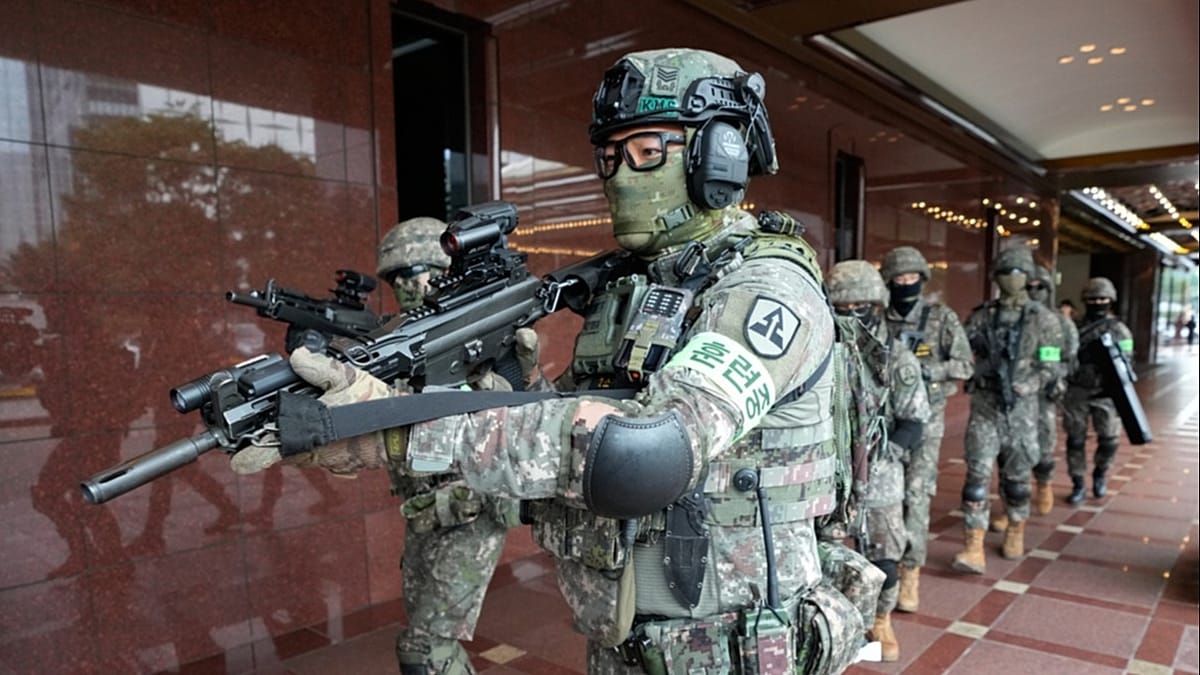
Morning Edition · Thursday, August 20, 2026Published at 1:10 AM EDT · New York
North Korea Dismisses Trump's Reduction of Joint Drills With South Korea
Kim Yo Jong, sister of North Korean leader Kim Jong Un, said the exercises remain aggressive regardless of their size, in a statement that avoided the usual hostile language and described relations between her brother and the American president as good.
Kim Yo Jong, the sister of North Korean leader Kim Jong Un and a senior official in her own right, gave Pyongyang's first response to President Donald Trump's order that the Pentagon substantially reduce annual exercises with South Korea. "We think it is not worth making comments on that and we have no interest in it at all," she said in a statement carried by state media, adding that the drills keep their aggressive character even at reduced duration and size, PBS reported.
She did not use the hostile formulations that usually accompany such statements, and she said relations between her brother and Trump are good.
NPR reported that Trump gave the order on Sunday, citing his relationship with Kim Jong Un and stating that Seoul had declined to assist in the war against Iran. Both militaries confirmed the 11-day Ulchi Freedom Shield exercise would be scaled back.
Euronews reported that critics of the administration treat the decision as another case of Washington reducing commitments to allies, and argue that it damages American credibility with partners who plan defense budgets around United States guarantees.
Part of a tracked trend
Middle Powers Build Security Blocs Outside Washington
States that once relied on American guarantees keep forming their own mutual defense arrangements, redirecting arms procurement away from Western suppliers and creating overlapping commitments that make regional crises harder to contain.
Veracity: Corroborated
92/100- If true, who benefits
Pyongyang gains a reduced exercise tempo without conceding anything, Trump gains a claim of personal diplomacy, and defense contractors in Seoul and Tokyo gain from allies who now budget against a conditional American guarantee.
- The nuance
Kim Yo Jong's words and the shortened exercise are both documented, with Defense News confirming the allies cut the drills at Washington's request, but the stated reason for the order, South Korea's refusal to help against Iran, comes from Trump's own account and Seoul has not confirmed that it was the operative cause.
An open-source-intelligence read of how likely this story is true with its real nuance, not a judgment of any outlet. It assesses the claim, weighing independent and adversarial reporting. How we label confidence.
What this means
Washington has now tied a security commitment in Northeast Asia to a partner's participation in a Middle East conflict, and every treaty ally will take note of that link. The direct effect is on South Korean and Japanese defense procurement, where governments hedging against reduced American presence buy more domestically produced or European systems and expand their own arms exports. The indirect effect appears in sovereign risk pricing in the region, because a security guarantee that carries conditions is worth less than one that does not, and allies pay for that difference through higher defense spending.
Townsquare
Start a discussion in Townsquare.
More from this edition
- Treasury Doubles Long-Bond Buybacks Days After Federal Debt Passes $40 Trillion
- Bitcoin Tops $69,000 and Ether Gains 18% After the Treasury Enlarges Its Bond Buybacks
- United Arab Emirates Suspends All Trade With Iran as Trump Threatens Countries That Keep Dealing With Tehran
- United States Military Runs a Nightly Convoy Corridor Through Hormuz Carrying About 10 Million Barrels a Day
- Japan's Exports Rise 23.2% on Chip Equipment and Cars, but Volumes Grow Only 5.2%
- Israel's Growth Data Shows a National Economy Leaning on a Single Chip Company
- Russian Missiles and Drones Strike Kyiv as Ukraine Sends 250 Drones Toward the Moscow Region
Comments
0No comments yet.