← The Global Intelligence Brief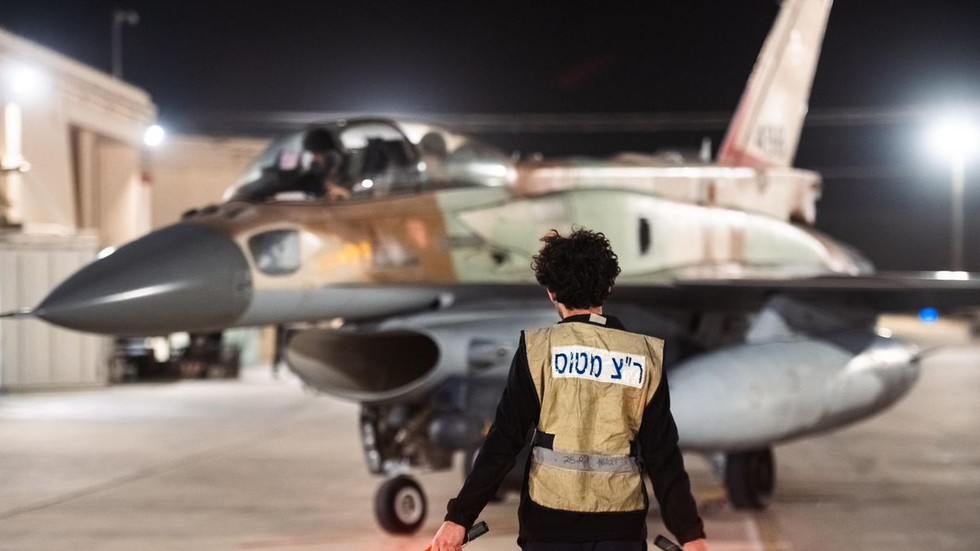
Morning Edition · Thursday, August 20, 2026Published at 1:10 AM EDT · New York
United States Envoy Calls Israeli Strikes on a Syrian Airbase an Unnecessary Escalation
Israel's prime minister's office said the attack on the Abu al-Duhur field in Idlib prevented Turkish forces from deploying at a base near Aleppo.
Tom Barrack, the United States ambassador to Turkey and Washington's envoy to Syria, said the United States is deeply concerned about Israeli strikes on the Abu al-Duhur military airfield in Idlib province, calling them an "unnecessary escalation that does not advance regional stability," The Hill reported. Barrack said the government of Ahmed al-Sharaa, Syria's president, has not taken an aggressive posture, has not deployed proxy forces, and has stated a wish to reduce tensions with Israel.
RT carried the same condemnation and presented it as evidence of tension between Washington and its closest regional partner.
Israel's account is different. The prime minister's office said Israel and Syria had agreed on a security status quo that Damascus was about to breach by allowing Turkish troops to deploy at an airbase near Aleppo, and NPR reported that blocking that deployment was the purpose of the strike. Syria's government blamed Israel for the overnight attack.
The dispute is about which outside power secures Syrian airspace and territory as the country rebuilds, and the three governments involved give three different accounts of what the existing understanding permits.
Veracity: Corroborated
88/100- If true, who benefits
Israel gains a veto over who bases forces in Syria, Turkey gains grounds to present itself as the restrained party, and Russian and Iranian commentary gains evidence of a split between Washington and its closest regional partner.
- The nuance
Israel acknowledged the strike and Barrack publicly called the confirmed Israeli airstrikes an unnecessary escalation, so the event is not in dispute, but the justification is: Syrian officials say a Turkish delegation had visited the base and left hours before the strike, which establishes Turkish interest in the site but not the imminent troop deployment Israel cited, and no party has published the text of the security understanding all three claim to be interpreting.
An open-source-intelligence read of how likely this story is true with its real nuance, not a judgment of any outlet. It assesses the claim, weighing independent and adversarial reporting. How we label confidence.
What this means
Townsquare
Start a discussion in Townsquare.
More from this edition
- Treasury Doubles Long-Bond Buybacks Days After Federal Debt Passes $40 Trillion
- Bitcoin Tops $69,000 and Ether Gains 18% After the Treasury Enlarges Its Bond Buybacks
- United Arab Emirates Suspends All Trade With Iran as Trump Threatens Countries That Keep Dealing With Tehran
- United States Military Runs a Nightly Convoy Corridor Through Hormuz Carrying About 10 Million Barrels a Day
- Japan's Exports Rise 23.2% on Chip Equipment and Cars, but Volumes Grow Only 5.2%
- Israel's Growth Data Shows a National Economy Leaning on a Single Chip Company
- Russian Missiles and Drones Strike Kyiv as Ukraine Sends 250 Drones Toward the Moscow Region
Comments
0No comments yet.