← The Global Intelligence Brief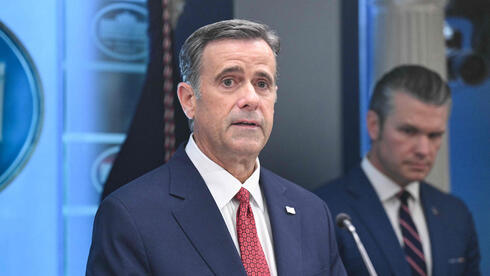


 3 sources
Morning Edition · Wednesday, August 26, 2026UpdatedPublished at 7:41 AM EDT · New York
CIA Director Travels to Moscow in an Unannounced Visit Neither Government Confirms
The Kremlin later confirmed the visit, saying Ratcliffe met Russian intelligence officials rather than President Vladimir Putin, who was briefed on the outcome afterward.
Updated at 7:41 AM EDT
The Kremlin, which had denied any planned talks, confirmed the visit took place and said Ratcliffe met Russian intelligence officials, not Putin, who was later briefed on the outcome.
John Ratcliffe, the director of the Central Intelligence Agency (CIA), travelled to Moscow on Tuesday for a visit lasting several hours, according to American media reports summarised by Israel's Ynet. Washington did not confirm the details at the time, though American officials had informed Kyiv in advance of the intention to send a senior delegation.
The Kremlin has since confirmed the visit took place. Dmitry Peskov, the Kremlin spokesman, said Ratcliffe met Russian intelligence officials rather than President Vladimir Putin, and that Putin had been briefed on the outcome of the talks. Peskov declined to give further detail and said it was too early to say whether the contact could help pull US-Russia relations out of what he described as a deep crisis. Radio Free Europe/Radio Liberty reported that Ratcliffe flew from Riga to Moscow on a US Air Force aircraft, and that analysts expect a trip like this to involve high-priority requests, likely including Russian support for Iran, the stalled Ukraine negotiations, and detained Americans.
The last known visit to Moscow by a CIA director was by William Burns, then the agency's director, in November 2021, three months before Russia launched its full-scale invasion of Ukraine. Ynet also reported, citing the Daily Mail, that the British prime minister received a warning about a possible direct Russian response over assistance to Ukraine. ABC News reported that Ukrainian drone attacks on Moscow and other Russian regions resumed within hours of Ratcliffe's departure, striking a warehouse and an oil refinery.
Direct intelligence channels between Washington and Moscow have operated intermittently throughout the war. What distinguishes this visit is that the Kremlin, unusually, confirmed it took place and named the category of officials involved, while the substance discussed, on Iran and on Ukraine, remains undisclosed by either side.
Veracity: Corroborated
88/100- If true, who benefits
Both governments gain from an unacknowledged channel that lets them test terms without paying a domestic political price, and market participants positioned for a Ukraine settlement gain from any signal that talks are alive.
- The nuance
The trip itself is confirmed by CNN, NBC News and The Washington Post, and Peskov's denial was specifically that he had "no such plans" and "no such information" rather than a denial that Ratcliffe landed, but the agenda is entirely unsourced speculation from analysts, no participant has been named, and the reported British warning rests on a single tabloid citation that no other outlet has matched.
An open-source-intelligence read of how likely this story is true with its real nuance, not a judgment of any outlet. It assesses the claim, weighing independent and adversarial reporting. How we label confidence.
What this means
Synthesized from: Ynet (Hebrew) · Al Jazeera · Radio Free Europe/Radio Liberty
Townsquare
Start a discussion in Townsquare.
More from this edition
- Treasury's Expanded Bond Buybacks Work Against Warsh's Inflation Fight
- Putin Has Concluded Peace Talks Failed and Is Preparing Heavier Strikes on Kyiv, Bloomberg Reports
- Iran and Oman Discuss a Temporary Hormuz Corridor and Crude Falls Toward $80
- Nvidia Results and the Federal Reserve's Preferred Inflation Gauge Are Due the Same Day
- Canada Matches Washington With Tariffs of Up to 50% After Trade Talks Collapse
- Bitcoin Holds Near $79,000 After a 23% Week as Sentiment Gauge Reaches 74
- Japan Plans ¥36.6 Trillion for Debt Service as Bond Yields Climb
- Russia Says It Downed 426 Drones Overnight as a Warehouse Burns in Tambov Region
Comments
0No comments yet.