← The Global Intelligence Brief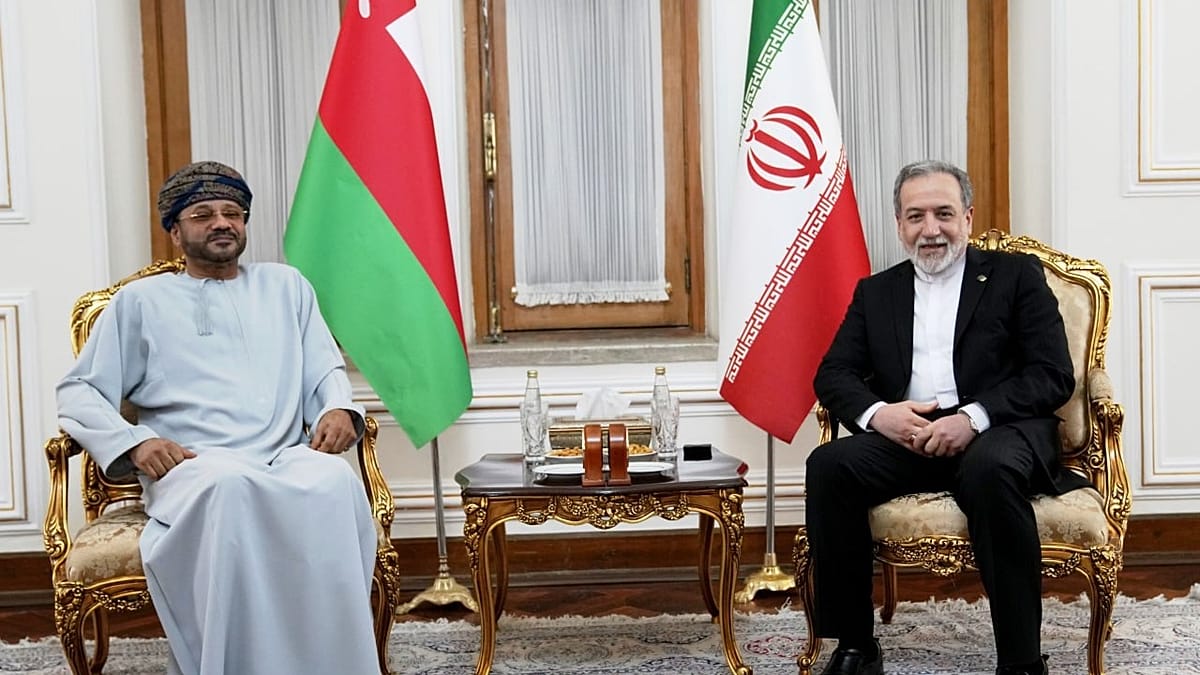


 4 sources
Morning Edition · Wednesday, August 26, 2026Published at 1:17 AM EDT · New York
Iran and Oman Discuss a Temporary Hormuz Corridor and Crude Falls Toward $80
Oil dropped for a third session, and Indian equities rose as investors priced a partial reopening of the world's most important oil route.
Iranian and Omani officials met in Tehran to discuss traffic through the Strait of Hormuz and a joint mine-clearing project, Euronews reported, with further technical talks planned on a permanent arrangement. Pakistan's Dawn described a phased understanding covering a temporary joint navigation corridor and mine clearance, alongside mediation by Muscat and Doha and a visit to Tehran by Pakistan's army chief.
Crude prices responded immediately. Prices fell toward $80 a barrel on Wednesday, a third consecutive daily decline, as traders priced in a higher probability that tankers move again. Indian equities rose as the drop in oil, a key import cost for the country, lifted sentiment, with the Sensex up more than 300 points and the Nifty above 24,350, a rally the Economic Times attributed to cheaper oil and renewed optimism about the waterway reopening.
The accounts of who controls the corridor differ. Israel's Globes, citing US Secretary of State Marco Rubio, reported that Washington has paused strikes inside Iran for now, that mines were cleared from the strait in a covert operation, and that the United States now controls the shipping route, leaving Iran without its main source of leverage. Iranian and Omani statements describe a negotiated, jointly managed corridor rather than an imposed one. The two versions can only be reconciled by their sequence of events, and that sequence is what determines how durable the arrangement will be.
For oil markets, this distinction matters more than the headline suggests. A corridor that exists because Iran agreed to it carries a different price than one that exists because Iran lost the leverage it may try to regain.
Part of a tracked trend
Fragile US-Iran Detente
The US-Iran settlement is a managed, reversible arrangement rather than a durable peace, so repeated rounds of brinkmanship and renegotiation will keep regional risk live and intermittently price back into energy markets.
Veracity: Corroborated
86/100- If true, who benefits
Oil importers, refiners, airlines and Indian equity holders gain from a falling Hormuz risk premium, Washington gains from a narrative in which Iran's chokepoint leverage is gone, and Tehran and Muscat gain from a narrative in which the corridor is negotiated rather than imposed.
- The nuance
The Tehran talks are corroborated across Al Jazeera, Arab News and Muscat Daily, and both accounts are partly true at once, since Axios reports the US Navy cleared the main lane and an American official claimed control while the talks proceed under a June 17 memorandum, so the load-bearing question is not whether mines were cleared but whether Iran is negotiating from consent or from a position it lost, and the inbound route running through Iranian waters suggests leverage is diminished rather than eliminated.
An open-source-intelligence read of how likely this story is true with its real nuance, not a judgment of any outlet. It assesses the claim, weighing independent and adversarial reporting. .
Synthesized from: Euronews · Dawn · Globes (Hebrew) · Economic Times
Townsquare
Start a discussion in Townsquare.
More from this edition
- Treasury's Expanded Bond Buybacks Work Against Warsh's Inflation Fight
- Putin Has Concluded Peace Talks Failed and Is Preparing Heavier Strikes on Kyiv, Bloomberg Reports
- Nvidia Results and the Federal Reserve's Preferred Inflation Gauge Are Due the Same Day
- Canada Matches Washington With Tariffs of Up to 50% After Trade Talks Collapse
- Bitcoin Holds Near $79,000 After a 23% Week as Sentiment Gauge Reaches 74
- Japan Plans ¥36.6 Trillion for Debt Service as Bond Yields Climb
- Russia Says It Downed 426 Drones Overnight as a Warehouse Burns in Tambov Region
- CIA Director Travels to Moscow in an Unannounced Visit Neither Government Confirms
Comments
1Aug 27, 5:09 AM · edited
Qatar, named as a mediator alongside Oman, ships its LNG exports through Hormuz and ranks among the world's largest LNG exporters, giving Doha a direct commercial stake rather than a neutral position.