← The Global Intelligence Brief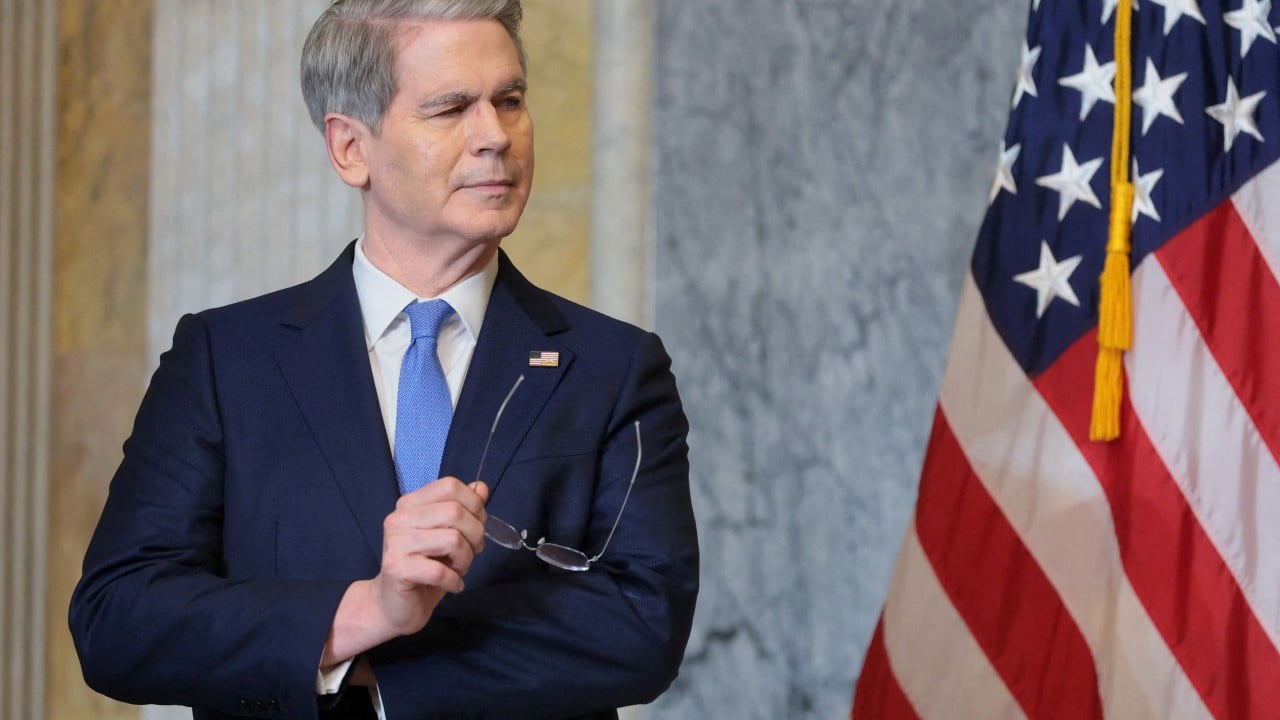


 3 sources
Morning Edition · Wednesday, August 26, 2026UpdatedPublished at 7:41 AM EDT · New York
US Treasury Sanctions Chinese and Hong Kong Firms Over Iran Trade While Sparing Major Banks
About 24 of the roughly 60 entities designated under the campaign are based in mainland China or Hong Kong.
Updated at 7:41 AM EDT
China's Ministry of Commerce issued a blocking injunction against the sanctions on five Chinese refiners and publicly rejected the wider campaign, a concrete retaliatory step not available this morning.
The United States Department of the Treasury designated about 24 entities based in mainland China or Hong Kong as part of a sanctions campaign it calls Operation Economic Outcast, the South China Morning Post reported. The wider action covers roughly 60 entities across Hong Kong, mainland China, Malaysia, the United Arab Emirates, Singapore and other jurisdictions, accused of helping sanctioned Iranian companies launder oil proceeds, procure sensitive technology and operate a covert tanker fleet.
Treasury Secretary Scott Bessent announced the campaign on August 24, describing it as the largest financial offensive the United States has mounted against an adversary and saying Washington would target all of Iran's revenue sources, oil included.
What Washington left out is as significant as what it included. The designations avoid major Chinese banks, which limits the confrontation with Beijing to intermediaries and trading houses. That restraint has a reason. China purchased an estimated 80% to 90% of Iran's oil exports before the war, largely through independent refiners, and sanctioning the banks that clear those transactions would draw the dollar payments system itself directly into a dispute with the world's second-largest economy.
Beijing responded within a day. China's Ministry of Commerce issued an injunction blocking the US sanctions imposed on five Chinese refiners accused of buying Iranian oil, and Chinese officials rejected the wider campaign as unilateral action. CNN reported that the dispute carries a risk of widening beyond intermediaries into direct friction with Beijing, a risk the Trump administration appears to be managing ahead of a planned meeting between President Trump and Chinese President Xi Jinping.
Each round of enforcement against intermediaries pushes the surviving intermediaries to settle further outside dollar clearing. The measures work in the short term, but over the long term they accelerate the construction of alternative payment channels, and Beijing's countermeasure suggests that process has already begun.
Veracity: Corroborated
90/100- If true, who benefits
Washington gains a demonstration of reach that stops short of a payments-system fight with Beijing, compliant shipping and trading firms gain market share from designated rivals, and Chinese independent refiners gain leverage to buy Iranian crude at wider discounts.
- The nuance
The designations and the deliberate exclusion of major Chinese banks are corroborated by Bloomberg and the Atlantic Council, but "largest financial offensive" is Bessent's own characterization rather than a measured comparison, the 80% to 90% China share of Iranian crude is an estimate from tanker tracking that no party can audit, and the claim that enforcement accelerates non-dollar settlement is a forecast that past sanctions rounds have supported only partially.
An open-source-intelligence read of how likely this story is true with its real nuance, not a judgment of any outlet. It assesses the claim, weighing independent and adversarial reporting. How we label confidence.
What this means
Synthesized from: South China Morning Post · Al Jazeera · China-Global South Project
Townsquare
Start a discussion in Townsquare.
More from this edition
- Treasury's Expanded Bond Buybacks Work Against Warsh's Inflation Fight
- Putin Has Concluded Peace Talks Failed and Is Preparing Heavier Strikes on Kyiv, Bloomberg Reports
- Iran and Oman Discuss a Temporary Hormuz Corridor and Crude Falls Toward $80
- Nvidia Results and the Federal Reserve's Preferred Inflation Gauge Are Due the Same Day
- Canada Matches Washington With Tariffs of Up to 50% After Trade Talks Collapse
- Bitcoin Holds Near $79,000 After a 23% Week as Sentiment Gauge Reaches 74
- Japan Plans ¥36.6 Trillion for Debt Service as Bond Yields Climb
- Russia Says It Downed 426 Drones Overnight as a Warehouse Burns in Tambov Region
Comments
0No comments yet.