← The Global Intelligence Brief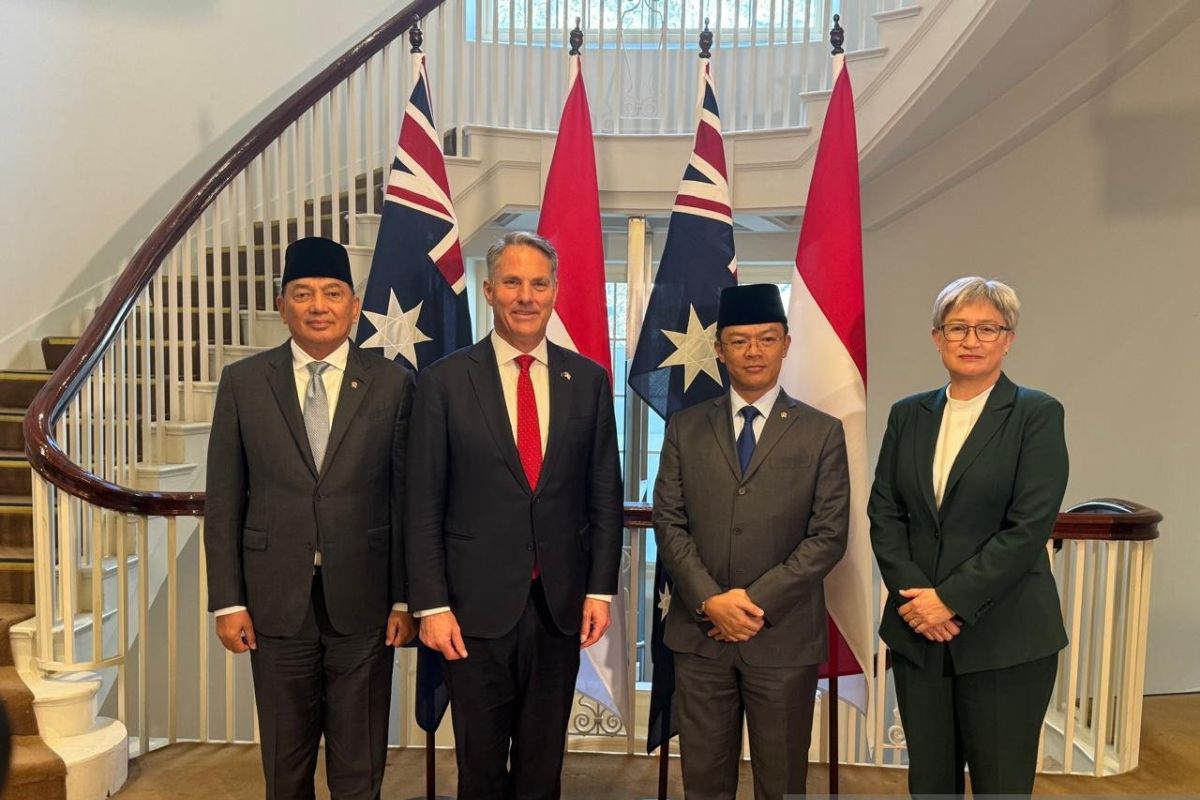


 3 sources
Morning Edition · Wednesday, August 26, 2026Published at 1:17 AM EDT · New York
Japan, Indonesia and Australia Hold Their First Trilateral Defence Talks
The three ministers discussed a joint training facility on Morotai Island, weeks after Jakarta agreed to expand military ties with Beijing.
The defence ministers of Japan, Australia and Indonesia held their first trilateral meeting, The Japan Times reported, with Japan's Shinjiro Koizumi, Australia's Richard Marles and Indonesia's Sjafrie Sjamsoeddin agreeing to expand bilateral and three-way defence cooperation. They discussed upgrading infrastructure on Morotai Island in North Maluku into a joint training facility.
The meeting builds on the Treaty on Common Security signed by Indonesia and Australia in February, known as the Jakarta Treaty. Australian Foreign Minister Penny Wong described the treaty as the framework that will shape the two countries' relationship. The two governments had already signalled in March that they would extend the arrangement to Japan and to Papua New Guinea.
Jakarta is not choosing a single alignment. The trilateral talks come weeks after Indonesia agreed with China to strengthen military ties following joint naval exercises east of Taiwan, according to The Japan Times. Indonesia's approach places it inside two overlapping security frameworks at once, which is the defining feature of middle-power behaviour in the region.
For investors, the durable element is procurement. Treaties of this kind create joint facilities, interoperability requirements and equipment purchases that persist across changes of government, and they redirect defence spending toward whichever supplier the framework favours.
Part of a tracked trend
Middle Powers Build Security Blocs Outside Washington
States that once relied on American guarantees keep forming their own mutual defense arrangements, redirecting arms procurement away from Western suppliers and creating overlapping commitments that make regional crises harder to contain.
Veracity: Corroborated
84/100- If true, who benefits
Defence contractors and infrastructure firms in Japan and Australia gain from any framework that converts into procurement, and Jakarta gains most by holding open commitments to Canberra, Tokyo and Beijing at the same time.
- The nuance
The Japan Times confirms the first trilateral among the three defence ministers, but it was conducted by telephone rather than in person, the Morotai proposal dates to March discussions between Jakarta and Canberra and the facility would remain Indonesian-owned with Jakarta controlling access, and nothing announced carries budgeted funding or a procurement commitment yet.
An open-source-intelligence read of how likely this story is true with its real nuance, not a judgment of any outlet. It assesses the claim, weighing independent and adversarial reporting. How we label confidence.
What this means
Overlapping security arrangements convert diplomatic language into long-dated procurement and construction commitments, which is where defence contractors and infrastructure firms in Japan, Australia and Indonesia gain. The same overlap raises the difficulty of crisis management, because a state inside two frameworks owes obligations to parties on opposite sides of a dispute. Indonesia's simultaneous agreements with Canberra, Tokyo and Beijing show middle powers hedging rather than aligning, which spreads defence orders across more suppliers.
Synthesized from: The Japan Times · Antara · The Diplomat
Townsquare
Start a discussion in Townsquare.
More from this edition
- Treasury's Expanded Bond Buybacks Work Against Warsh's Inflation Fight
- Putin Has Concluded Peace Talks Failed and Is Preparing Heavier Strikes on Kyiv, Bloomberg Reports
- Iran and Oman Discuss a Temporary Hormuz Corridor and Crude Falls Toward $80
- Nvidia Results and the Federal Reserve's Preferred Inflation Gauge Are Due the Same Day
- Canada Matches Washington With Tariffs of Up to 50% After Trade Talks Collapse
- Bitcoin Holds Near $79,000 After a 23% Week as Sentiment Gauge Reaches 74
- Japan Plans ¥36.6 Trillion for Debt Service as Bond Yields Climb
- Russia Says It Downed 426 Drones Overnight as a Warehouse Burns in Tambov Region
Comments
0No comments yet.