← The Global Intelligence Brief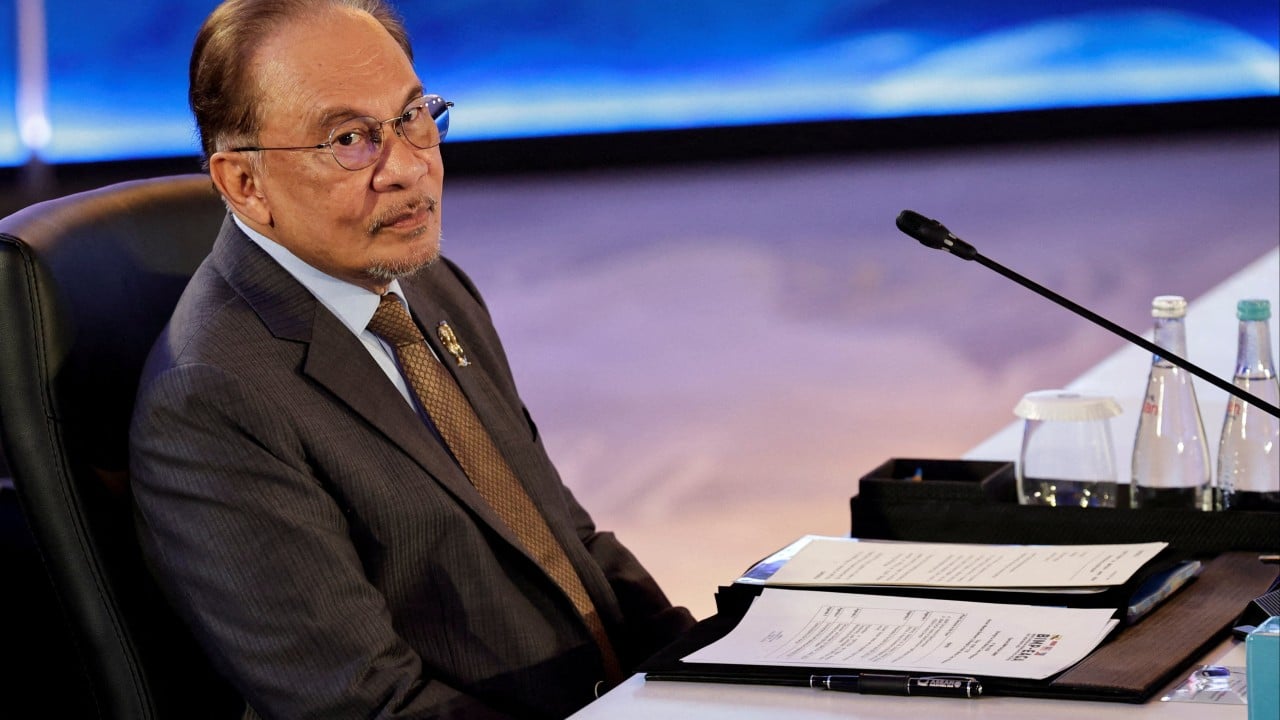

 2 sources
Morning Edition · Thursday, August 27, 2026Published at 1:16 AM EDT · New York
Anwar Ibrahim Considers Delaying Malaysia's General Election to Late 2027 After State Poll Defeats
The reported delay comes as former prime minister Ismail Sabri Yaakob is charged with concealing assets, following the seizure of nearly $40 million linked to him.
Malaysian Prime Minister Anwar Ibrahim is considering pushing the national election back to the second half of next year, the South China Morning Post reported, citing people familiar with the matter. State election defeats and the breakdown of coalition partnerships have exposed the government's political weakness, and the reported timeline would be a significant departure from earlier expectations.
Separately, former prime minister Ismail Sabri Yaakob has been charged with concealing assets, The Hindu reported. Malaysia's anti-corruption agency said last year that he had filed an asset declaration after being ordered to do so during an investigation into alleged corruption and money laundering, following the seizure of nearly $40 million in assets it said were linked to him.
The two developments point in opposite directions for investors. Prosecuting a former head of government demonstrates that anti-corruption enforcement reaches the most senior level, which is the reform Anwar campaigned on. Postponing an election to preserve a governing majority weakens the same reform argument, and it extends the period during which fiscal decisions, particularly on fuel and electricity subsidies, are made under electoral pressure.
Malaysia matters to global supply chains well beyond its size. It is a major node in semiconductor assembly and testing and a significant supplier of liquefied natural gas, so the credibility of its policy timetable affects decisions that are made years in advance.
Veracity: Plausible
62/100- If true, who benefits
Anwar's coalition gains time to recover from consecutive state defeats, and opposition parties gain a governance argument they can run on if a formal postponement is announced.
- The nuance
Malaysia's parliamentary term does not expire until February 2028, so the accurate description is that Anwar is declining to call an early election rather than delaying one that is due, and he has publicly played down the need for a snap poll while the late-2027 timeline rests entirely on unnamed sources.
An open-source-intelligence read of how likely this story is true with its real nuance, not a judgment of any outlet. It assesses the claim, weighing independent and adversarial reporting. How we label confidence.
What this means
Companies deciding where to place semiconductor packaging and testing capacity price political predictability alongside costs. A government that delays an election to hold a majority together is also a government that finds subsidy reform harder, which keeps Malaysia's fiscal consolidation slower and its currency more sensitive to commodity swings. The corruption prosecution works the other way, supporting the case that legal risk for investors is being reduced rather than raised. Which effect dominates depends on whether the delay is announced formally or remains an unattributed report.
Synthesized from: South China Morning Post · The Hindu
Townsquare
Start a discussion in Townsquare.
More from this edition
- Bitcoin Falls Below $79,000 as Traders Position for a Federal Reserve Rate Increase
- Nvidia Reports $96.2 Billion in Quarterly Revenue and Guides Above $105 Billion, Excluding China Entirely
- Brent Falls 2.5% to $86.38 as Iran and Oman Negotiate a Corridor Through a Strait Tehran Says Is Still Closed
- Washington Restricts Capital, Goods and People at Once as Investors Question the American Overweight
- Glacial Collapse on the Nepal-Tibet Border Kills at Least 165 and Leaves More Than 1,000 Missing
- Meta Agrees to Pay Up to $16.68 Billion to Settle State Claims Over Harm to Child Users
- Russian Air Defences Report Downing 18 Drones Over Voronezh as the CIA Director Warns Moscow Against Striking NATO
Comments
0No comments yet.