← The Global Intelligence Brief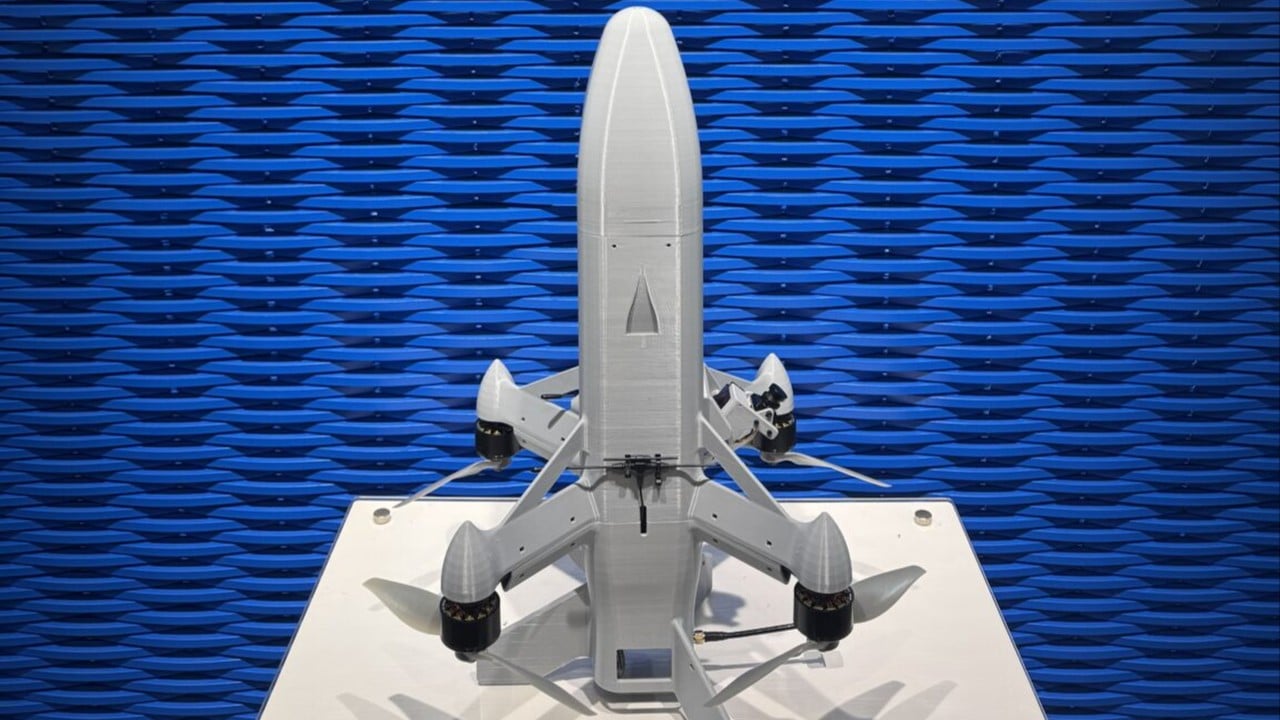

 3 sources
Morning Edition · Thursday, August 27, 2026Published at 1:16 AM EDT · New York
Japan Selects an Interceptor Drone Less Than Three Months After Opening Procurement
Indonesia is preparing to commission its first aircraft carrier while Moscow signals new bilateral agreements with Jakarta in September, widening the pool of suppliers across the region.
Japan has chosen a domestically built interceptor drone less than three months after starting the procurement process, the South China Morning Post reports, a timeline far shorter than the country's normal defence acquisition cycle. Analysts quoted by the outlet say the change in method matters as much as the equipment, because it lets Tokyo field counters to new Chinese capabilities within a single budget year rather than across several.
Indonesia is expanding in a different direction. Its defence ministry says the country's first aircraft carrier, the former ITS Giuseppe Garibaldi bought from Italy and due to be renamed, will support the domestic defence industry through maintenance and refit work. Jakarta is buying capability and industrial capacity at the same time, from a European seller.
At the same time, Russia's ambassador to Indonesia, Sergei Tolchenov, has indicated that new bilateral agreements between Jakarta and Moscow will be signed in September. Indonesia has for years kept procurement deliberately spread across American, European, Russian, South Korean and Turkish suppliers, and the September agreements would continue that pattern.
Taken together the three developments describe a region where states are compressing acquisition timelines, buying platforms that require decades of sustainment spending, and diversifying away from any single supplier relationship. Each choice locks in defence budgets well beyond the current political cycle.
Part of a tracked trend
Indo-Pacific Arms Race Accelerates
Over the next 3-6 months a sharpening regional arms race drives Japan and its neighbors to expand militaries and export weapons—Tokyo moving to sell missiles—as maritime confrontations with China multiply and Asian rearmament gathers pace.
Veracity: Plausible
70/100- If true, who benefits
Japanese, Turkish, Italian and Russian defence exporters gain committed multi-year orders, and Indonesian shipyards gain sustainment work that outlasts any single political cycle.
- The nuance
The Japanese procurement timeline is carried by a single outlet and the Russia agreements are an ambassador's suggestion rather than a signed text, while the Indonesian purchase is a decommissioned Italian ship acquired under a loan ceiling of about $450 million and intended mainly to operate drones, which is a narrower capability than the phrase "first aircraft carrier" conveys.
An open-source-intelligence read of how likely this story is true with its real nuance, not a judgment of any outlet. It assesses the claim, weighing independent and adversarial reporting. How we label confidence.
What this means
Faster procurement in Japan and platform purchases in Indonesia commit budget across future years, which supports revenue for domestic defence manufacturers in both countries and for the European and Russian firms that sell into the region. Supplier diversification is the strategic point: countries that spread orders across blocs reduce the leverage any one capital holds over them, which weakens the traditional link between American arms sales and American security influence in Southeast Asia. Regional shipbuilders and maintenance contractors gain the most durable share of that spending.
Synthesized from: South China Morning Post · Antara · Antara (Russia ties)
Townsquare
Start a discussion in Townsquare.
More from this edition
- Bitcoin Falls Below $79,000 as Traders Position for a Federal Reserve Rate Increase
- Nvidia Reports $96.2 Billion in Quarterly Revenue and Guides Above $105 Billion, Excluding China Entirely
- Brent Falls 2.5% to $86.38 as Iran and Oman Negotiate a Corridor Through a Strait Tehran Says Is Still Closed
- Washington Restricts Capital, Goods and People at Once as Investors Question the American Overweight
- Glacial Collapse on the Nepal-Tibet Border Kills at Least 165 and Leaves More Than 1,000 Missing
- Meta Agrees to Pay Up to $16.68 Billion to Settle State Claims Over Harm to Child Users
- Russian Air Defences Report Downing 18 Drones Over Voronezh as the CIA Director Warns Moscow Against Striking NATO
Comments
0No comments yet.