← The Global Intelligence Brief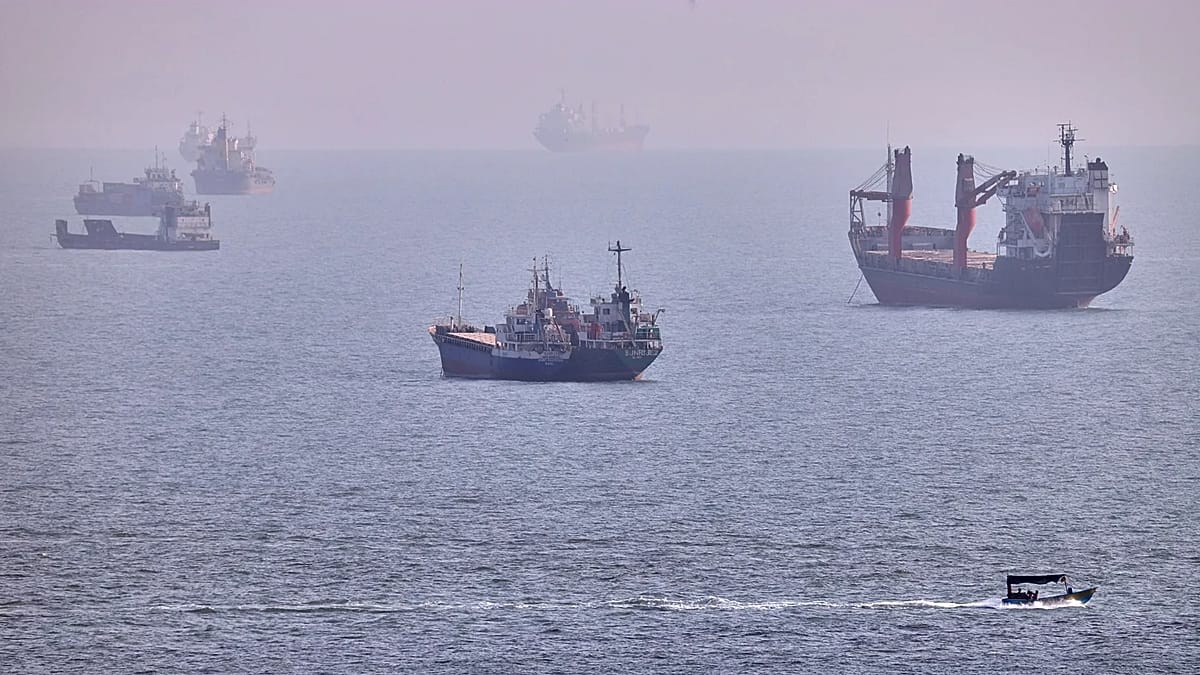
Morning Edition · Thursday, August 27, 2026Published at 1:16 AM EDT · New York
Brent Falls 2.5% to $86.38 as Iran and Oman Negotiate a Corridor Through a Strait Tehran Says Is Still Closed
Qatar's prime minister travels to Tehran on Thursday to restart diplomacy, and President Donald Trump has threatened to strike Oman if it obstructs the American position.
Brent crude futures fell 2.5 percent to $86.38 a barrel on Wednesday, and United States West Texas Intermediate fell 2.2 percent to $80.52, CNBC reported. The declines followed a joint statement from Iran and Oman describing a phased framework for a temporary joint navigational corridor through the Strait of Hormuz and a joint mine-clearing project. Euronews reports that under the arrangement being discussed, Iran would admit no military vessels to the waterway. Trump has threatened to bomb Oman if it "gets in the way," and Washington opposes parts of the emerging deal.
The parties do not agree on the basic facts. Trump said the United States Navy told him all mines had been removed from international waters in the strait. Iran's deputy foreign minister, Kazem Gharibabadi, said the strait remains closed despite the transit-route talks, and an Iranian official called the mine-clearing claim a deception, warning that Iran would target American minesweepers entering the area. Al Jazeera reports that shippers and insurers still treat the passage as high risk regardless of the American statements.
Diplomacy is moving on a second track. Dawn reports that Qatar's prime minister will visit Tehran on Thursday to restart mediation after Washington and Tehran exchanged accusations over an American promise to increase economic pressure by sanctioning Iran's trading partners. Tehran and Muscat have set themselves a negotiating window of 30 to 60 days to agree traffic protocols and administrative oversight of the passage.
The market is pricing the negotiation, not the physical reopening. Crude at $86 with the strait effectively shut reflects tanker rerouting, war-risk insurance and the cost of alternative pipeline capacity already absorbed into the price. A working corridor would release part of that premium. A collapse in the talks, or an American strike on a mediator, would put it back.
Part of a tracked trend
Hormuz Chokepoint Repricing
Recurring Gulf conflict forces energy exporters and importers to build costly workarounds around the Strait of Hormuz, permanently raising the risk premium embedded in Gulf trade and infrastructure.
Veracity: Corroborated
88/100- If true, who benefits
Iran and Oman gain recognition as the administrators of the passage, Gulf producers and shipowners with alternative routing keep collecting the disruption premium, and buyers of crude gain from any release of the war-risk component now priced into every Gulf barrel.
- The nuance
The framework is a phased statement of intent, not a signed agreement, and the two central factual claims cancel each other out: Trump says the United States Navy cleared all mines from international waters, while Tehran and Muscat are simultaneously planning a joint mine-clearing project, which is not consistent with a strait already cleared.
An open-source-intelligence read of how likely this story is true with its real nuance, not a judgment of any outlet. It assesses the claim, weighing independent and adversarial reporting. How we label confidence.
What this means
Energy importers in Asia and Europe carry the cost of the closure through freight and insurance rather than through the headline barrel price alone, so their inflation readings stay elevated even when crude falls. Gulf producers and shipowners with alternative routing gain while the disruption lasts. The corridor talks matter because they set a precedent for who administers the passage, and an arrangement negotiated between Tehran and Muscat without Washington would move a critical trade route under regional rather than American management.
Townsquare
Start a discussion in Townsquare.
More from this edition
- Bitcoin Falls Below $79,000 as Traders Position for a Federal Reserve Rate Increase
- Nvidia Reports $96.2 Billion in Quarterly Revenue and Guides Above $105 Billion, Excluding China Entirely
- Washington Restricts Capital, Goods and People at Once as Investors Question the American Overweight
- Glacial Collapse on the Nepal-Tibet Border Kills at Least 165 and Leaves More Than 1,000 Missing
- Meta Agrees to Pay Up to $16.68 Billion to Settle State Claims Over Harm to Child Users
- Russian Air Defences Report Downing 18 Drones Over Voronezh as the CIA Director Warns Moscow Against Striking NATO
- Israel Weighs Removing British Officials From the American-Led Gaza Ceasefire Headquarters
Comments
0No comments yet.