← The Global Intelligence Brief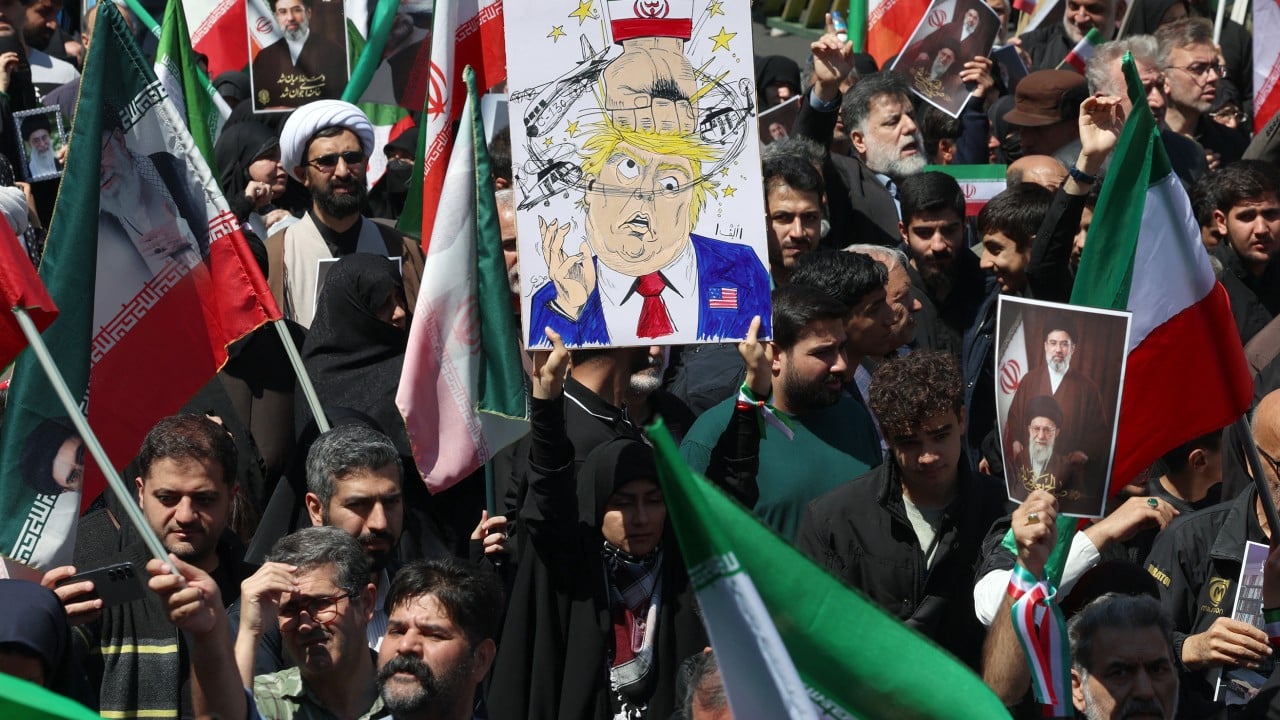


 3 sources
Morning Edition · Saturday, August 29, 2026Published at 1:10 AM EDT · New York
Iran's President Says Foreign Trade Has Fallen About 35 Percent as Washington Targets Dubai
Iran's president, Masoud Pezeshkian, said imported goods are not arriving, while the United States moves against the Emirati banking channels Iranian firms have used for decades.
Iranian leaders have begun describing the cost of the conflict with the United States in economic terms. President Masoud Pezeshkian said imports and exports have fallen by between 25 and 35 percent under American sanctions and the naval blockade, and that his government is weighing a doubling of the price of gasoline bought above subsidised quotas, the South China Morning Post reported. "The route is now blocked, and goods are not coming in," he said in a televised interview. Supreme Leader Ali Khamenei called on the government to address the hardship.
The pressure campaign has moved to the Gulf. The Financial Times reported that the American effort to isolate Iran is now targeting Dubai, which has served for decades as an offshore hub for Iranian trade finance and market access. The State Department has sanctioned the manager of Bank Melli's Dubai branch, and the Treasury's financial crimes unit has proposed cutting a United Arab Emirates bank off from American correspondent accounts over transactions it links to Iranian networks. Treasury Secretary Scott Bessent has said countries that keep ties to Tehran should expect to share its isolation. Al Jazeera has reported that the United Arab Emirates, China and Turkey together supply close to three-quarters of Iran's merchandise imports.
Oil settled lower on Friday as traders weighed both the prospect of Federal Reserve tightening and reports of an arrangement over the Strait of Hormuz, Economic Times reported. Brent traded near $88 a barrel.
Part of a tracked trend
Fragile US-Iran Detente
The US-Iran settlement is a managed, reversible arrangement rather than a durable peace, so repeated rounds of brinkmanship and renegotiation will keep regional risk live and intermittently price back into energy markets.
Veracity: Corroborated
86/100- If true, who benefits
The Trump administration gains evidence that its pressure campaign is working, and Chinese and Turkish intermediaries gain the Iranian trade that leaves dollar-settled Emirati channels, while Iranian officials gain a foreign explanation for a fuel subsidy cut they have avoided for years.
- The nuance
The 25 to 35 percent figure is Pezeshkian's own on-camera estimate reported by the South China Morning Post rather than an audited trade statistic, and it serves Tehran's case for domestic austerity as much as Washington's case for sanctions, while the correspondent-banking action Treasury announced targets the Emirati branch of Egypt's state-owned Banque Misr rather than an Emirati bank.
An open-source-intelligence read of how likely this story is true with its real nuance, not a judgment of any outlet. It assesses the claim, weighing independent and adversarial reporting. How we label confidence.
What this means
Cutting Iran off from Emirati correspondent banking targets the payment layer rather than the goods, which is faster and harder to replace than shipping routes. Dubai's re-export businesses and the Emirati banks that handle them lose fee income and face compliance costs, while Chinese and Turkish intermediaries absorb what trade continues, usually outside dollar settlement. That is the mechanism by which sanctions enforcement keeps pushing marginal trade into non-dollar channels, and it is also why each escalation puts a little more risk premium back into crude.
Synthesized from: South China Morning Post · Financial Times · Economic Times
Townsquare
Start a discussion in Townsquare.
More from this edition
- Warsh Says Inflation Is Too High, and Traders Move to Price a September Rate Increase
- Trump Says the United States Has Taken Majority Control of 65 Billion Barrels of Venezuelan Oil
- Debate Over Forcing Investors to Hold Government Bonds Moves Into the Mainstream
- Nepal Doubles Its Estimate of the Missing After Himalayan Flood, With More Than 2,400 Unaccounted For
- China Removes Its Highest-Ranked General From the State Military Commission
- Attackers Strike Niamey's Airport and the Perimeter of Niger's Presidency
- Decade-Old Bitcoin Wallets Moved $40 Million, but Dormant-Coin Activity Is at Its Lowest Since 2022
Comments
1Aug 29, 5:10 AM · edited
Forcing Iran to rebuild offshore trade finance infrastructure outside Dubai would extend the timeline for any volume recovery beyond the 25 to 35 percent decline already reported.