← The Global Intelligence Brief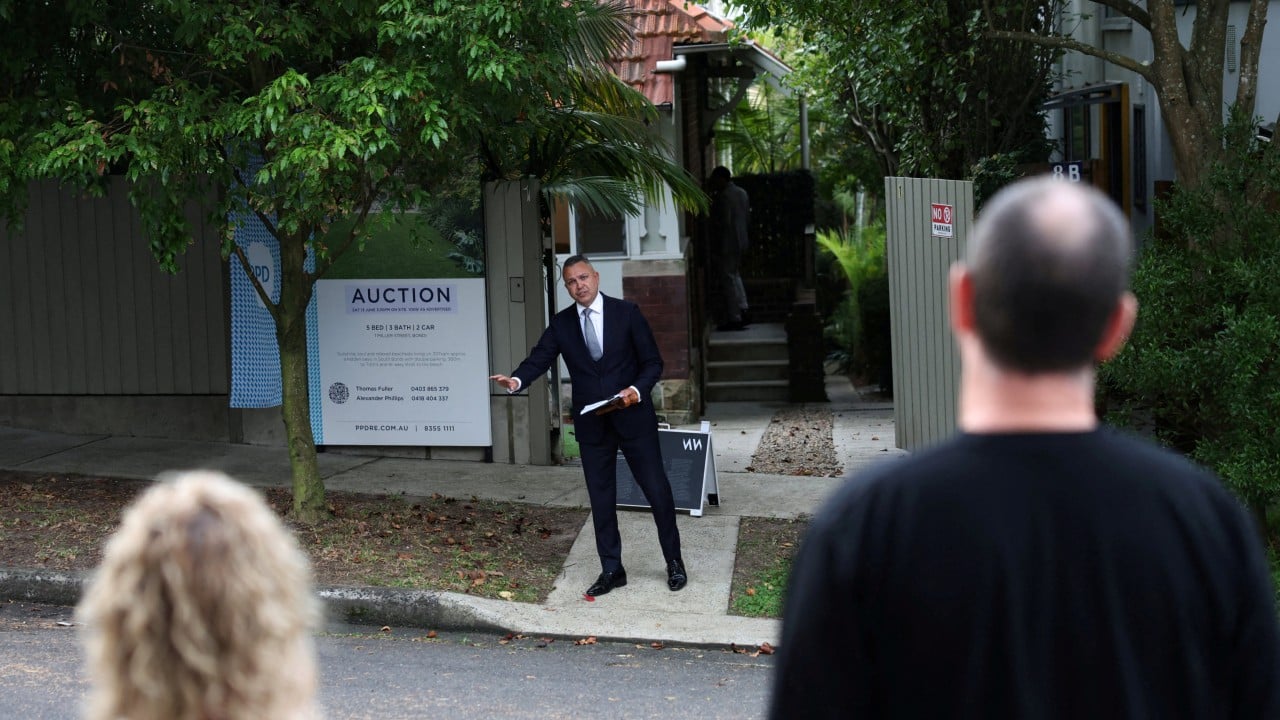


 3 sources
Morning Edition · Tuesday, September 1, 2026Published at 1:19 AM EDT · New York
Australian Home Prices Fall for a Fifth Month as the Reserve Bank Holds Rates High
Prices dropped 0.9 percent in August after a 1.2 percent fall in July, with Sydney and Melbourne about 7 percent below their peaks.
Australian home prices fell 0.9 percent in August from July, when they had dropped 1.2 percent, extending the decline to a fifth straight month, according to figures from the property consultant Cotality reported by the South China Morning Post. Sydney fell 1.4 percent and Melbourne 1.1 percent, leaving both cities about 7 percent below their peaks. ABC News reported that the downturn has spread to 93 percent of suburbs across Australia's capital cities.
The correction has reached markets that led the earlier price gains. Brisbane fell 1.0 percent and Perth 0.8 percent, both after double-digit gains earlier in the year, Reuters reported. The Reserve Bank of Australia has raised its cash rate three times this year, to 4.35 percent, and traders are pricing in another increase after a high inflation reading in July.
Two policy changes are pushing in the same direction. Higher interest rates reduce the amount a household can borrow at a given income, and the government's restrictions on negative gearing, along with its higher capital gains tax, reduce the after-tax return for leveraged property investors. Australian household wealth is concentrated in housing to an unusual degree, so a sustained fall in prices removes the collateral that has supported consumer spending through the past decade of cheap credit.
What this means
Australia illustrates what happens when a housing market inflated by a long period of low rates meets a central bank that refuses to cut. Households that took out mortgages at the peak face higher payments against falling collateral, and the effect on gross domestic product runs through consumer spending rather than through loan defaults, because Australian mortgages are mostly variable rate and hold borrowers personally liable. Australian bank shares, retail earnings and the Australian dollar are the assets most exposed, and further Reserve Bank increases would deepen the pressure through each of those channels.
What to watch
- Whether the Reserve Bank raises the cash rate again this year, since another increase would push the correction past the seven percent already recorded in Sydney and Melbourne.
- Australian retail sales and household savings data, which show whether falling housing wealth is already changing spending.
- Mortgage arrears at the major Australian banks, because a rise there would move the story from a wealth effect to a credit event.
Observations to monitor, not financial advice.
Synthesized from: South China Morning Post · ABC News (Australia) · Reuters via Investing.com
Townsquare
Start a discussion in Townsquare.
More from this edition
- Japan's 10-Year Bond Yield Reaches 3% After Bessent Presses for Bank of Japan Rate Rises
- Bitcoin Holds Above $78,000 as Traders Raise the Odds of a Federal Reserve Rate Increase
- Brent Crude Tops $90 After American Strike on Larak Island and Iranian Retaliation
- South Korea Funds a Record 821 Trillion Won Budget With Semiconductor Tax Revenue
- Shein Falls on Hong Kong Debut at About a Quarter of Its 2022 Private Valuation
- Russia Strikes Kyiv With Ballistic Missiles as Ukrainian Drones Force Emergency Measures Inside Russia
- United States Army Secretary Dan Driscoll Resigns in the Seventh Month of the Iran War
Comments
0No comments yet.