← The Global Intelligence Brief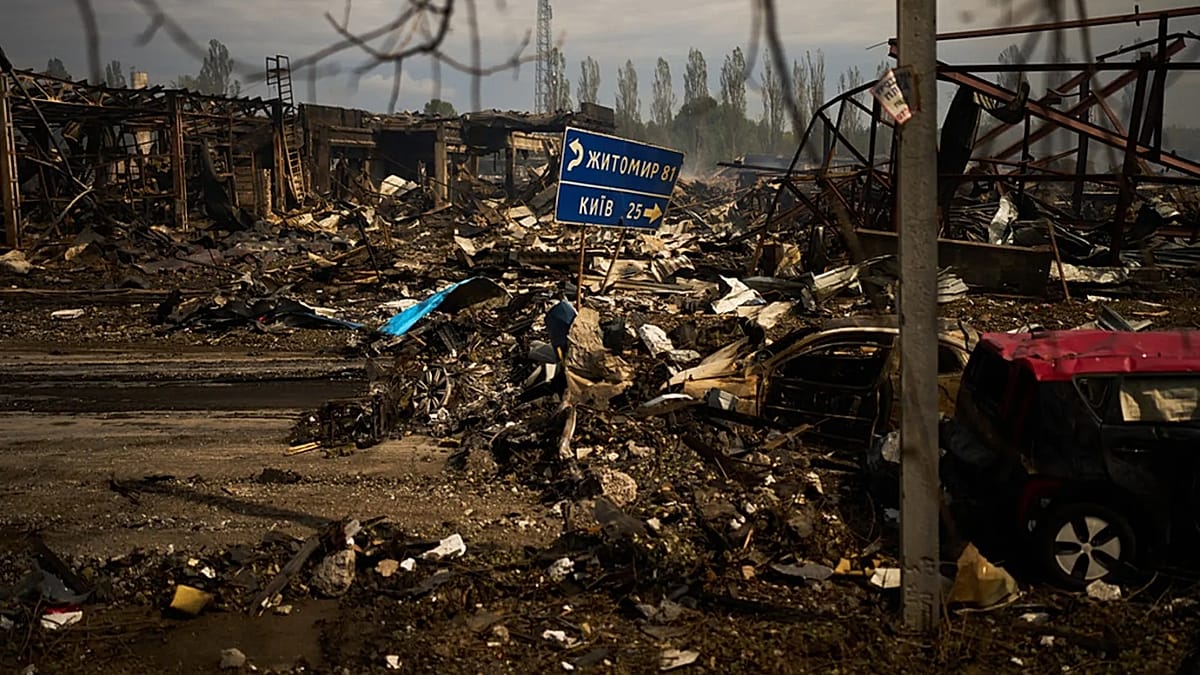


 4 sources
Morning Edition · Tuesday, September 1, 2026UpdatedPublished at 7:48 AM EDT · New York
Russia Strikes Kyiv With Ballistic Missiles as Ukrainian Drones Force Emergency Measures Inside Russia
The death toll in the Kyiv region climbed to at least 12 over the day, the sixth consecutive day of Russian strikes on the capital, while authorities in Russia's Samara region declared an emergency in Novokuybyshevsk and briefly closed airports in Penza and Saratov.
Updated at 7:48 AM EDT
Kyiv's overnight death toll rose from an initial 4 to at least 12 as the day went on, including seven killed in a strike on a railway depot.
Russian missiles and strike drones hit Kyiv and the surrounding region overnight, and the death toll rose through the day to at least 12 people, with dozens more wounded, according to the Associated Press, making it the sixth consecutive day of Russian strikes on the capital. Tymur Tkachenko, the head of the Kyiv regional military administration, called it a massive attack, Euronews reported. A ballistic strike on a railway depot killed seven people, six of them employees of the state rail operator Ukrzaliznytsia, Interfax-Ukraine reported, and Ukraine's interior ministry said three children were among those wounded in strikes elsewhere in the city. The attacks came as Ukrainian children were returning to school after the summer break. Euronews noted that Ukraine is short of interceptor missiles and cannot stop every ballistic launch.
Russian state media described the same night in different terms. RIA Novosti reported that Russian forces struck industrial enterprises in Kyiv, describing the targets as production facilities rather than residential districts. Neither side's account has been independently verified.
Ukraine carried out long-range strikes of its own on Russian territory. Authorities in Novokuybyshevsk, a refining town in Russia's Samara region, declared a state of emergency after an attack by Ukrainian forces, according to RIA Novosti. TASS reported that flight restrictions imposed for safety reasons at the airports in Penza and Saratov were lifted after the night's attacks ended. The Kyiv Independent reported drone strikes on refineries, warehouses, airfields and ships.
Part of a tracked trend
Strikes Move to Each Other's Home Fronts
Both Russia and Ukraine keep shifting long-range strikes toward transport, warehousing and civilian-adjacent targets far from the front, so aviation, logistics and insurance costs deep inside both economies keep rising and each mass-casualty incident pushes a negotiated pause further away.
Veracity: Corroborated
88/100- If true, who benefits
Each side's framing supports its own budget case, Kyiv's for more Western interceptors and Moscow's for presenting the strikes as attacks on war production, and European defense manufacturers and war-risk insurers price both narratives into their order books and premiums.
- The nuance
The overnight attack on Kyiv and the Ukrainian drone strikes deep inside Russia are separately confirmed, but the casualty figure moved during the day, from at least four in the Euronews account to nine killed reported by the Kyiv Independent, and the disputed element is target selection, with Moscow describing industrial and drone-production sites and Kyiv describing civilian districts, neither claim verified by an independent party on the ground.
An open-source-intelligence read of how likely this story is true with its real nuance, not a judgment of any outlet. It assesses the claim, weighing independent and adversarial reporting. How we label confidence.
What this means
Synthesized from: Euronews · RIA Novosti · RIA Novosti (Novokuybyshevsk) · TASS (Russian)
Townsquare
Start a discussion in Townsquare.
More from this edition
- Japan's 10-Year Bond Yield Reaches 3% After Bessent Presses for Bank of Japan Rate Rises
- Bitcoin Holds Above $78,000 as Traders Raise the Odds of a Federal Reserve Rate Increase
- Brent Crude Tops $90 After American Strike on Larak Island and Iranian Retaliation
- South Korea Funds a Record 821 Trillion Won Budget With Semiconductor Tax Revenue
- Shein Falls on Hong Kong Debut at About a Quarter of Its 2022 Private Valuation
- Australian Home Prices Fall for a Fifth Month as the Reserve Bank Holds Rates High
- United States Army Secretary Dan Driscoll Resigns in the Seventh Month of the Iran War
Comments
0No comments yet.