← The Global Intelligence Brief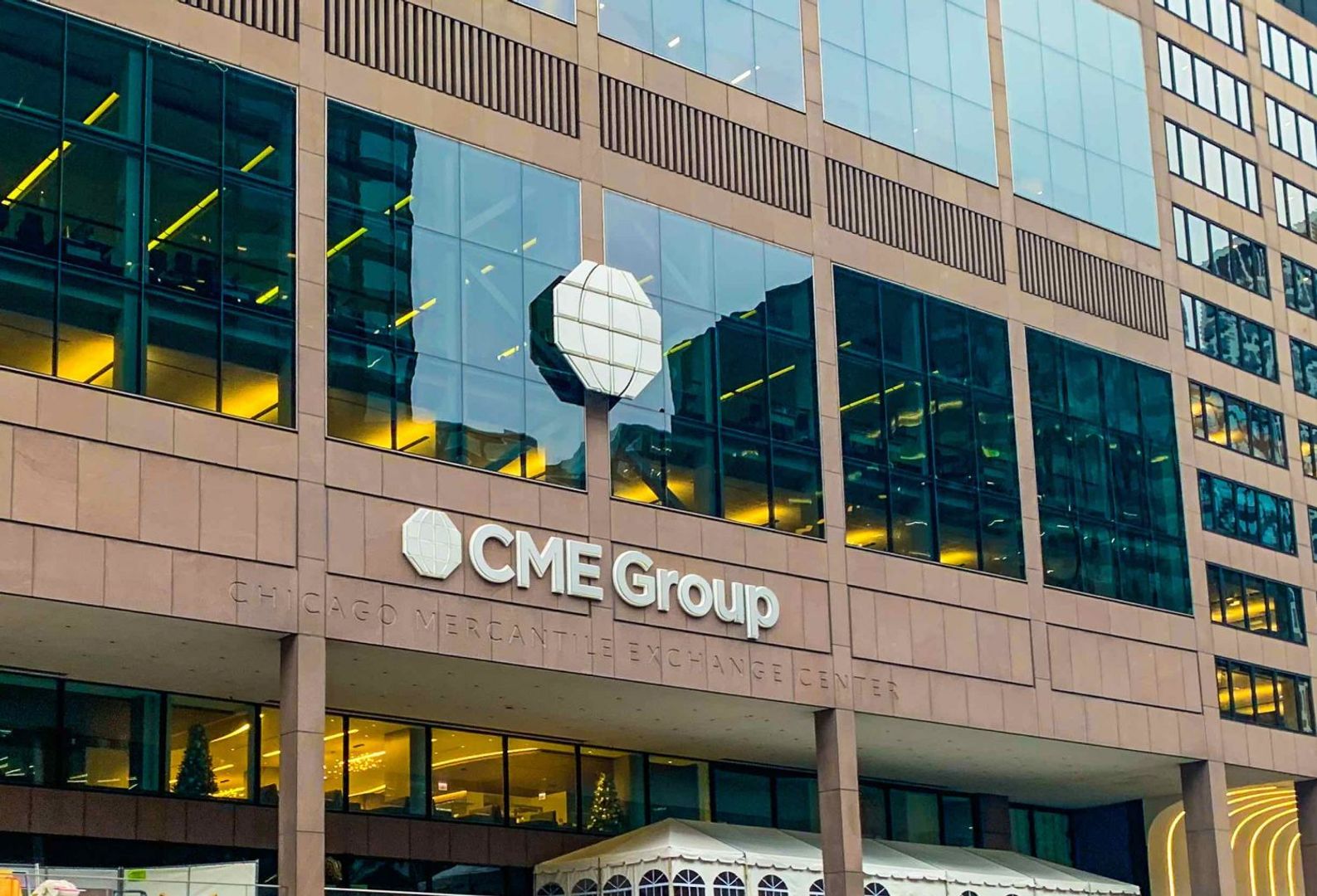
 3 sources
Morning Edition · Tuesday, September 1, 2026Published at 1:19 AM EDT · New York
Bitcoin Holds Above $78,000 as Traders Raise the Odds of a Federal Reserve Rate Increase
Market-implied odds of a September rate rise moved from 35 percent to 60 percent after Chair Kevin Warsh's Jackson Hole remarks, leaving bitcoin flat on the week after a 24 percent gain in August.
Bitcoin held above $78,000 on Tuesday while most large digital assets fell, according to CoinDesk, which put the token flat for the week after a 24 percent gain in August. Ether, solana, tron and dogecoin all lost value over the prior 24 hours. Dealer spot quotes on August 31 put gold near $4,446 an ounce and silver near $67, levels that show gold and silver have not fallen along with the digital assets.
The immediate cause is the Federal Reserve. A market report published August 31 said the implied odds of a rate increase at the September meeting rose from 35 percent to 60 percent after Chair Kevin Warsh used his speech at the Jackson Hole conference to stress that inflation remains persistent. The same report recorded the Dow Jones Industrial Average closing 0.9 percent lower at 53,885.10, while the 10-year Treasury yield rose toward 4.76 percent.
Underneath the price moves, trading activity keeps shifting toward regulated venues. CoinDesk reported that open positions in XRP futures outside the Chicago Mercantile Exchange (CME) fell by more than 500 million tokens in two weeks while exposure on the CME, a regulated American exchange, rose about 36 percent, with the token climbing toward $1.40. Separately, 1789 Capital is leading a roughly $1 billion funding round for the prediction market Polymarket at a $21 billion valuation, up from $15 billion, adding about $300 million in new money to an existing stake of roughly $200 million.
Part of a tracked trend
Bitcoin Trades as a Risk Asset, Not Digital Gold
At each geopolitical or inflationary stress point, bitcoin keeps trading with liquidity-sensitive risk assets rather than with monetary metals, so the digital-gold framing continues to fail exactly when investors most want it to hold.
What this means
Bitcoin is trading on the expected path of dollar liquidity, not on any argument that it hedges against inflation. When the odds of a Federal Reserve rate increase rise, the discount rate applied to long-duration risk assets rises with them, and digital assets sell off before stocks do because leverage in that market unwinds more easily. Holders of smaller cryptocurrencies carry that sensitivity most directly, while the divergence from gold above $4,400 shows that investors seeking protection from inflation are buying the metal, not digital tokens. The shift of derivatives trading toward the CME moves pricing power from offshore venues to a United States exchange regulated by the Commodity Futures Trading Commission.
What to watch
- Whether the Federal Reserve actually raises rates in September, since a hike delivered against a market only 60 percent convinced would force a broad repricing of risk assets.
- The gap between gold and bitcoin performance through this tightening scare, because a persistent divergence weakens the case that bitcoin functions as monetary insurance.
- Whether offshore crypto derivatives keep losing open interest to CME, which would concentrate leverage inside the American regulatory perimeter.
Observations to monitor, not financial advice.
Synthesized from: CoinDesk (bitcoin) · CoinDesk (XRP futures) · CoinDesk (Polymarket)
Townsquare
Start a discussion in Townsquare.
More from this edition
- Japan's 10-Year Bond Yield Reaches 3% After Bessent Presses for Bank of Japan Rate Rises
- Brent Crude Tops $90 After American Strike on Larak Island and Iranian Retaliation
- South Korea Funds a Record 821 Trillion Won Budget With Semiconductor Tax Revenue
- Shein Falls on Hong Kong Debut at About a Quarter of Its 2022 Private Valuation
- Australian Home Prices Fall for a Fifth Month as the Reserve Bank Holds Rates High
- Russia Strikes Kyiv With Ballistic Missiles as Ukrainian Drones Force Emergency Measures Inside Russia
- United States Army Secretary Dan Driscoll Resigns in the Seventh Month of the Iran War
Comments
1Sep 1, 5:19 AM · edited
The 40 percent probability that the Fed holds in September means any weak inflation print before the meeting would unwind the risk premium that held bitcoin flat after a 24 percent August gain.