← The Global Intelligence Brief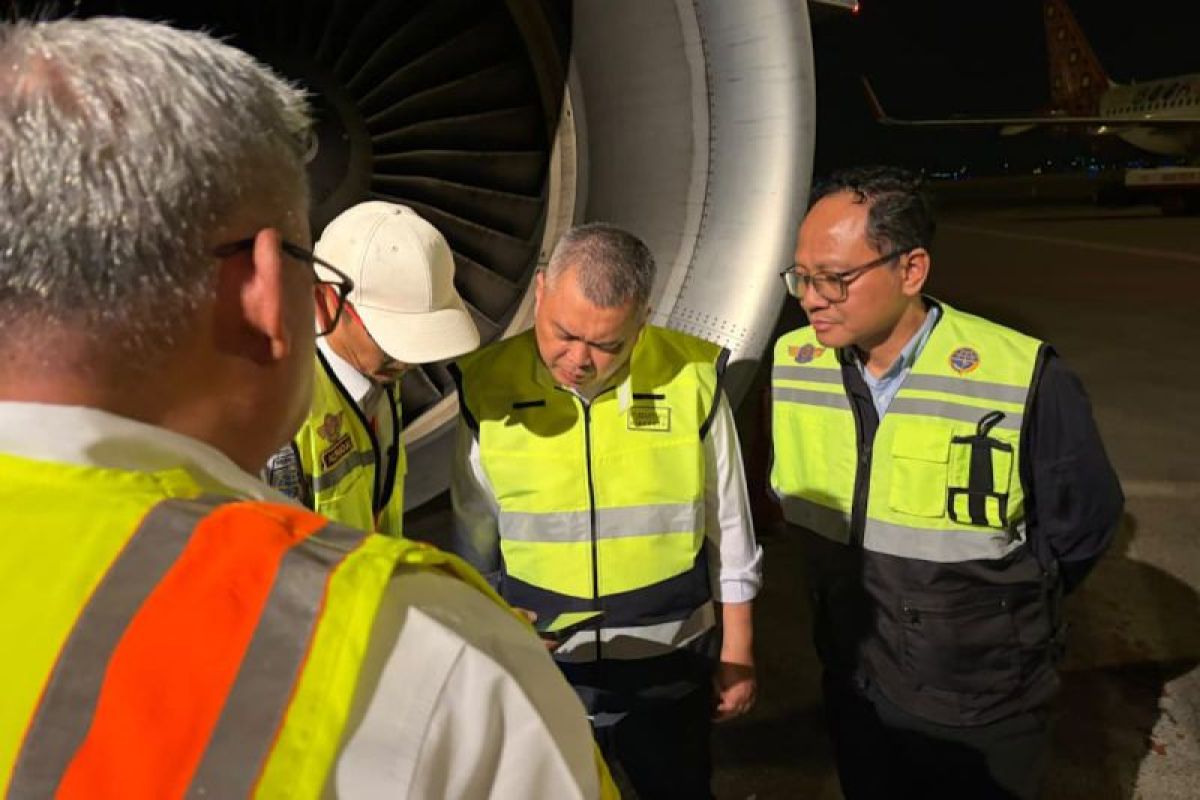


 4 sources
Morning Edition · Tuesday, September 8, 2026Published at 1:13 AM EDT · New York
Indonesia Reopens Five Airports After Ash From Anak Krakatau Halted Flights
Up to 200 Hong Kong-bound domestic workers remain stranded, and Jakarta's water utility said the capital's piped supply is unaffected.
Indonesia reopened five airports early on Tuesday after ash from Mount Anak Krakatau forced closures, with aviation authorities confirming the airspace had cleared. Jakarta's Soekarno-Hatta International Airport, one of the busiest hubs in Southeast Asia, was among those affected.
The disruption spread beyond aviation schedules. The South China Morning Post reports that up to 200 Hong Kong-bound domestic workers remain stranded in Indonesia despite the reopenings, and that Hong Kong's employment agencies association is preparing for the possibility of further closures. Indonesian domestic workers are a core part of Hong Kong's household labor supply, and an interruption in their arrival is felt immediately in the families waiting for them.
Jakarta's public water utility, PAM JAYA, said the capital's piped water remains safe to drink and continues to meet standards despite the ashfall. The Hindu notes that Indonesia has about 500 volcanoes, 127 of them active, according to the country's volcanology agency, which makes disruptions of this kind a recurring operating condition rather than an exceptional event for anyone routing cargo, aircraft or labor through the archipelago.
Part of a tracked trend
Disasters as Political and Supply Shocks
Major natural disasters in commodity-producing states translate into political instability and supply disruptions that markets increasingly have to price, recurring as climate and geological shocks hit fragile economies.
What this means
Volcanic ash closes airspace faster than any other natural hazard because engine damage risk leaves regulators no discretion, and Indonesia sits under a dense set of air-cargo and passenger routes connecting Australia, East Asia and the Gulf. Airlines absorb the cost through rerouting and crew scheduling, and freight forwarders absorb it through delayed shipments. The stranded workers show a second channel that is rarely priced: labor mobility. Hong Kong households, employment agencies and the workers themselves bear that cost directly, and none of it is covered by the insurance products written for physical damage.
What to watch
- Whether Anak Krakatau's alert level rises again, since a further eruption would close the same airports and extend the backlog rather than starting a new one.
- How long the stranded workers take to reach Hong Kong, a plain measure of how quickly the labor channel recovers compared with the flight schedules.
- Air-cargo rates on routes through Jakarta and Singapore, which show whether the disruption has moved from passenger schedules into freight capacity.
Observations to monitor, not financial advice.
Synthesized from: Antara · South China Morning Post · The Hindu · Antara
Townsquare
Start a discussion in Townsquare.
More from this edition
- US and Iranian Forces Trade Direct Fire at Sea as CENTCOM Destroys Five More Iranian Tankers
- Canada's Retaliatory Tariffs Take Effect on About $20 Billion of American Goods
- Traders Hold Near 60 Percent Odds of a Federal Reserve Rate Increase, Pulling Bitcoin Below $79,000
- China's August Exports Rose 25 Percent as the Trade Surplus Widened to $119 Billion
- Offshore Borrowing in Renminbi Reaches Nearly $150 Billion This Year
- Governments Now Face a Combined Interest Bill of About $2 Trillion a Year
- Russia Resumed Strikes on Kyiv Hours After a Three-Day Pause Around American Envoys' Visit
Comments
0No comments yet.