← The Global Intelligence Brief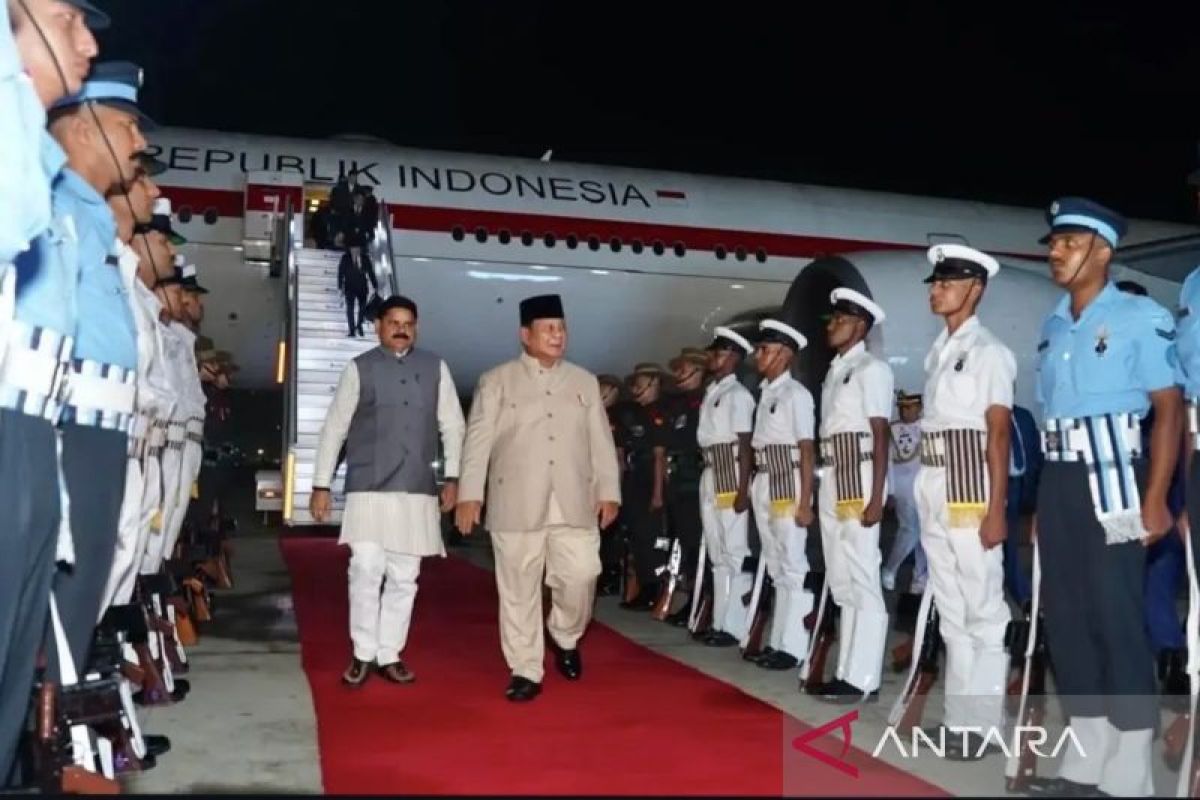


 4 sources
Morning Edition · Saturday, September 12, 2026UpdatedPublished at 7:41 AM EDT · New York
BRICS Leaders Open a New Delhi Summit With Iran Present and Dollar Settlement on the Agenda
The summit concluded with the New Delhi Declaration adopted by consensus, papering over friction between Iran and other members over the Gulf war, while the bloc's formal language on payment alternatives stayed far more cautious than the dollar-dominance rhetoric coming from Moscow and Tehran.
Updated at 7:41 AM EDT
The summit that opened this morning concluded with leaders adopting the New Delhi Declaration by full consensus, a diplomatic result for India's chairmanship that papered over member divisions on the Gulf war while stopping short of endorsing de-dollarization.
The eighteenth BRICS summit convened in New Delhi under the shadow of the war in the Gulf and concluded with leaders adopting the New Delhi Declaration by consensus, Indian officials said, a result Prime Minister Narendra Modi's government had pushed for as summit chair, with no member raising an objection. The New York Times had noted going into the summit that the group can do something Washington cannot, which is seat Iran at the same table as China, India and Russia while oil prices rise, and that the same war divides members whose interests as energy importers and exporters conflict. Indonesian President Prabowo Subianto arrived in New Delhi as one of the newer members of the enlarged bloc.
The declaration addressed the division the Times had flagged. Indian and wire reports said the text was reached despite sharp differences among members over how to characterize the West Asia conflict, stressing conflict prevention and the peaceful resolution of disputes without naming individual states, and voicing concern about nuclear danger and about unilateral coercive measures that strain international law. Al Jazeera reported that Russian President Vladimir Putin and Iranian President Masoud Pezeshkian had used the run-up to criticise the dominance of the dollar in international settlement, both governments having direct reasons to want alternatives since sanctions restrict their access to dollar clearing. BBC Hindi reported that analysts saw India's central objective as preventing BRICS from becoming an anti-Western grouping, and the consensus text suggests that objective was largely met.
On money, the formal outcome was narrower than the rhetoric surrounding it. The declaration stopped short of endorsing de-dollarization, instead encouraging the bloc's payments task force to keep working toward cross-border settlement that is faster, cheaper and more accessible, a more cautious position than the one Pezeshkian pressed at the BRICS Business Forum, where he said the bloc's New Development Bank existed to help members reduce their dependence on the dollar. Members have been discussing settlement in local currencies and an independent cross-border payment system since last year's Rio meeting, and preparatory talks in May ended without a joint declaration. Washington has threatened an additional 10 percent tariff on countries that advance the bloc's payment plans, which raises the cost of every incremental step for trade-dependent members such as India, Brazil and Indonesia.
The monetary significance remains cumulative rather than dramatic. No currency union was on offer, and the final text did not go further than a mandate to keep studying settlement channels that reduce the share of trade requiring dollar clearing. What New Delhi produced was a political outcome rather than a monetary one: a bloc holding together long enough to sign one document despite a war that puts some of its members on opposite sides of the same barrel of oil.
Part of a tracked trend
China Anchors a Parallel Bloc
China keeps deepening ties with neighbors and Global South states through high-level diplomacy, assembling a bloc that runs parallel to Western-led alliances and hardens a multipolar order.
Veracity: Corroborated
88/100- If true, who benefits
Russia and Iran, which need settlement channels outside dollar clearing, and India, which gains standing as convenor while refusing the anti-Western label Washington uses to justify tariffs.
- The nuance
The concrete output so far is a finance ministers' statement on faster cross-border payments and wider local-currency settlement, and India has publicly favoured linking national systems and central bank digital currencies over any unified bloc mechanism, so the monetary shift described is far smaller than the rhetoric from either side suggests.
An open-source-intelligence read of how likely this story is true with its real nuance, not a judgment of any outlet. It assesses the claim, weighing independent and adversarial reporting. How we label confidence.
What this means
Dedollarisation advances through plumbing, not proclamations, and each working local-currency channel removes a slice of demand for dollar balances and Treasury collateral. Exporters in member states gain the ability to sell into sanctioned markets, while United States banks lose fee income and Washington loses reach from financial sanctions. The constraint is the tariff threat, which makes India and Brazil weigh trade access against payment autonomy, and that calculation decides how fast the channels grow.
Synthesized from: The New York Times · Al Jazeera · BBC News Hindi · Antara
Townsquare
Start a discussion in Townsquare.
More from this edition
- US Inflation Reached 3.4% in August, Pushing the Federal Reserve Toward a Rate Increase on Wednesday
- Drones From Iraq Shut Saudi Arabia's East-West Pipeline, the Main Route Around Hormuz
- Houthi Forces Take Perim Island, Completing Control of the Bab al-Mandab Strait
- The Bank of Japan Prepares to Raise Its Policy Rate to 1.25%, the Highest Level Since 1995
- Bitcoin Fell Below $77,000 While Gold Held Near $4,360 an Ounce
- North Korea Fired Multiple Ballistic Missiles a Day After US, Japanese and South Korean Drills Ended
- Indonesia Says It Will Keep Buying Russian Crude Where the Purchases Comply With Rules
Comments
1Sep 12, 5:16 AM · edited
Washington's tariff threat against members advancing payment alternatives creates a collective action problem where individual adoption imposes costs that only simultaneous adoption by the full bloc could offset.