← The Global Intelligence Brief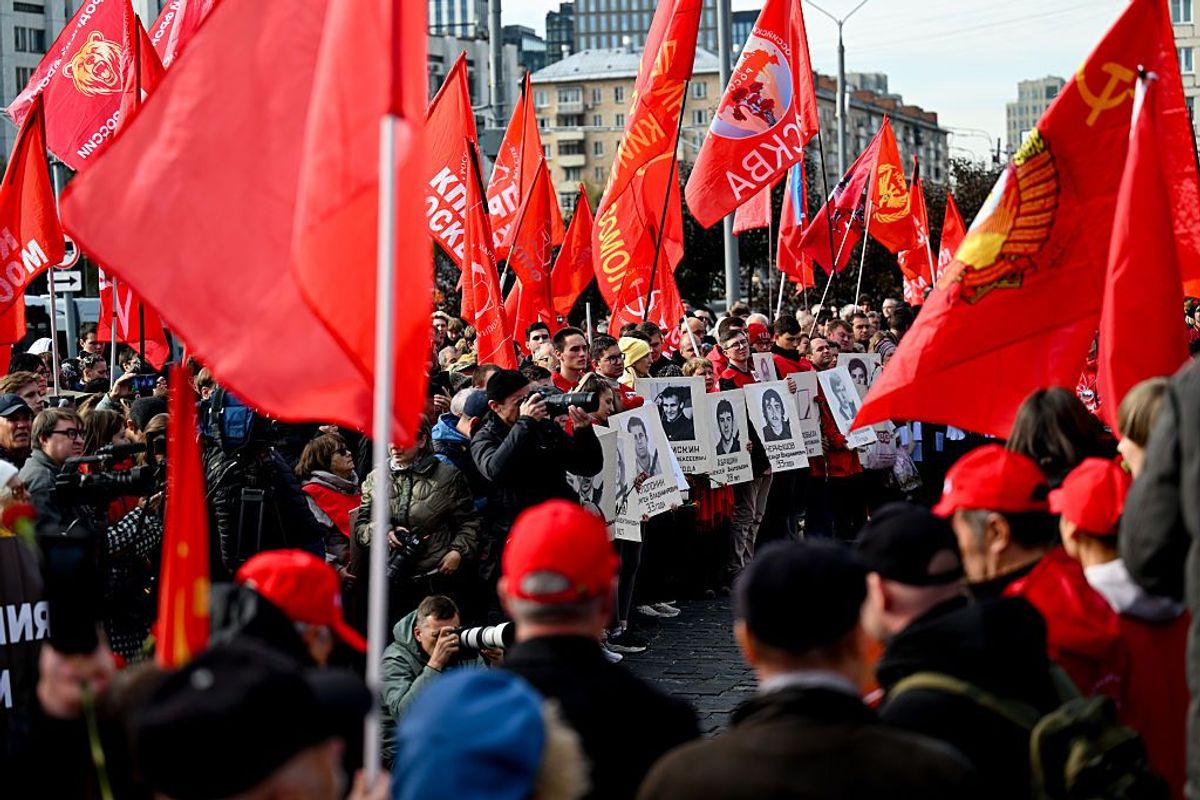


 4 sources
Morning Edition · Monday, October 5, 2026Published at 1:06 AM EDT · New York
Russia's Draft "Antifraud 3.0" Law Would Register Every SIM-Equipped Smart-Home Device in the State ID System
The Ministry of Digital Development's amendments would require owners' addresses and installation locations to be logged in the state identity system. Detentions at a Moscow rally show tighter control of public dissent.
Russia's Ministry of Digital Development has published amendments to its "Antifraud 3.0" bill that would require every SIM-equipped "smart home" device to be registered in the Unified Identification and Authentication System (ESIA), the state system behind Gosuslugi, the public services portal. The Russian financial Telegram channel Bankrollo reported that the registration must include the owner's address or the place where the device is installed. Izvestia reported that registration of machine-to-machine devices will become mandatory for businesses that supply them.
The package goes beyond devices. Kommersant reported that the ministry presented a third package of measures against telephone and online fraud. The measures cover SIM card sales, consent to personal-data processing, website login, SMS mailings, virtual phone exchanges and hosting. The security outlet SecurityLab reported that the draft would ban the sale of SIM cards with preloaded balances or numbers registered to other people. Public consultation began on September 30, and the law would take effect on March 1, 2028.
The ministry presents the bill as fraud prevention. In effect, it ties anonymous connected hardware to verified identities and physical locations in a state database. Controls on public political activity are also tightening. The Kyiv Independent reported that police detained dozens of people at a Communist Party rally in Moscow that the authorities had permitted. The detentions increased after participants began chanting "Down with the Tsar," an anti-Kremlin slogan.
Veracity: Corroborated
84/100- If true, who benefits
If the bill passes as drafted, Russia's security services and the Ministry of Digital Development gain an address-linked registry of connected devices, banks gain fraud protection, and telecom operators bear the compliance cost.
- The nuance
Russian outlets (Izvestia, iGuides) confirm the draft and its stated purpose, which is to stop numbers assigned to meters and other machine-to-machine devices from being used in fraud calls. Any use for political surveillance is an inference, not a stated aim. The rally detentions come from an adversarial outlet and are a separate event that this desk did not verify.
An open-source-intelligence read of how likely this story is true with its real nuance, not a judgment of any outlet. It assesses the claim, weighing independent and adversarial reporting. How we label confidence.
What this means
The bill extends Russia's identity-verification system from people to the objects in their homes. Every connected meter, alarm or camera with a SIM card becomes a traceable record linked to an address, and the state gains a new category of data for fraud enforcement and political control. Foreign residents and businesses operating connected devices in Russia face higher compliance costs and lose anonymity. Telecom operators bear the registration burden. The consensus treats the measure as anti-fraud policy. But the 2016 Yarovaya law on data retention and the 2019 "sovereign internet" law were also introduced as security measures, and both were later used to monitor and restrict communications. The likelier outcome is that the bill passes with minor changes before 2028, and that Russia's other identity-linked rules, such as the ban on SIM transfers, are applied first to foreigners and migrants. A ministry decision to drop the address requirement after the consultation would show that industry pressure can limit the expansion. The Moscow detentions show that even officially permitted opposition faces tight limits.
Synthesized from: Polylog editors · Kommersant · Izvestia · Kyiv Independent
Townsquare
Start a discussion in Townsquare.
More from this edition
- Flávio Bolsonaro Leads Lula Into Brazil's Runoff, and Brazilian Assets Jump Overnight
- Treasury Yields Hold Near 24-Year Highs After Weak Jobs Data, While the Nikkei Climbs Back Above 70,000
- Brent Falls to About $101.60 as Group of Seven Reserve Releases and Recovering Gulf Exports Outweigh Houthi Claims Against Aramco
- Iran's Security Chief Admits the Economy Is in Its Hardest Period as the Blockade Cuts Oil Revenue
- Saudi Arabia, Pakistan and Turkey Convene Their Makkah Defence Pact as Yemen's Government Opens an Offensive Against the Houthis
- Reserve Bank of India Expected to Raise Rates for the First Time Since 2023 as Inflation Stays Above Target
- United States Withdraws All 12 B-1 Bombers From Britain's RAF Fairford After a Suspected Plot
Comments
0No comments yet.