← The Global Intelligence Brief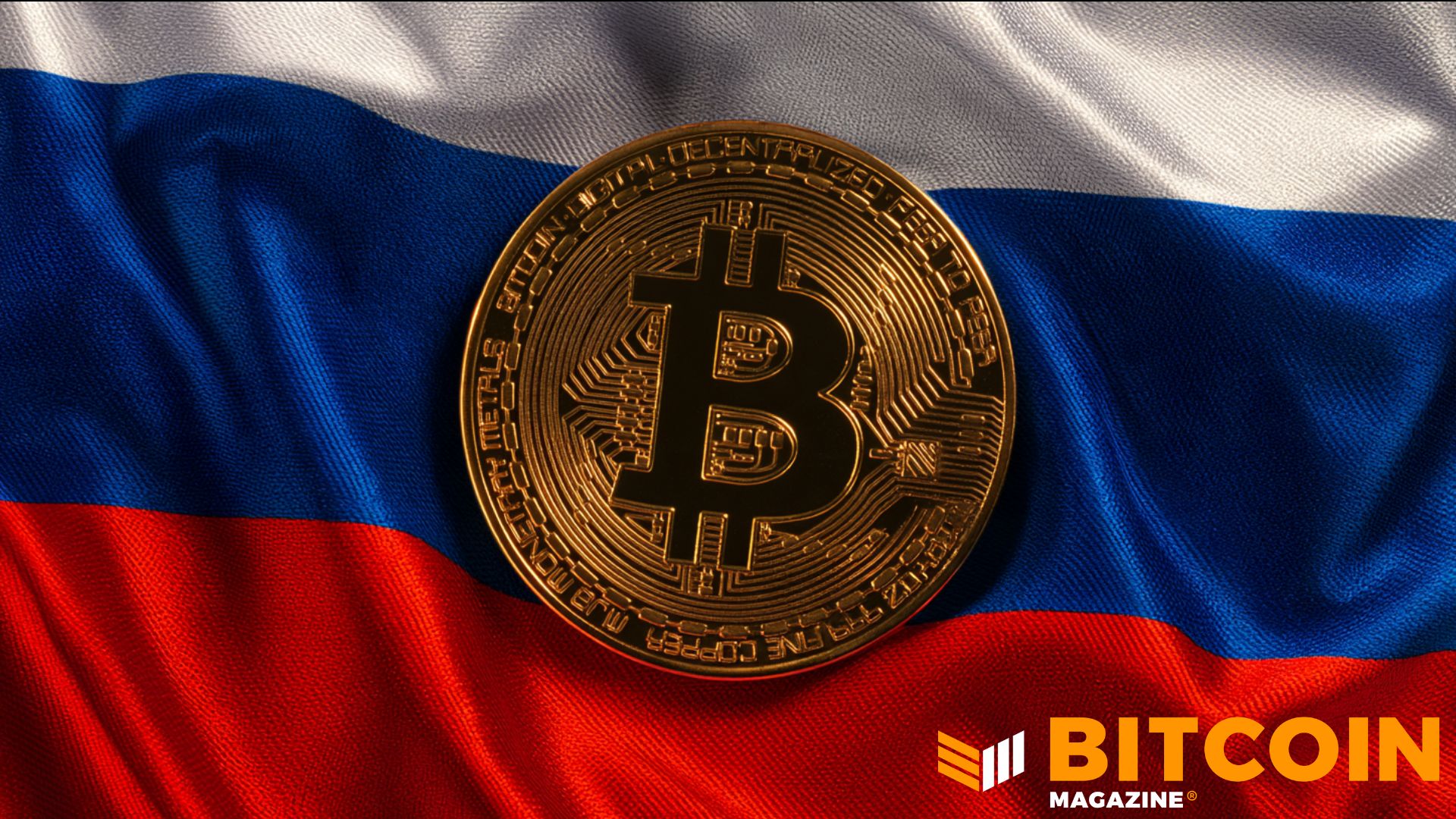

 4 sources
Morning Edition · Tuesday, October 13, 2026Published at 1:12 AM EDT · New York
Gold holds near $4,170 and bitcoin rebounds above $83,000 as traders weigh the risk of a December Fed hike
Gold exchange-traded funds drew unusually heavy inflows even as a firm dollar held prices down, and Moscow's stock exchange is testing direct bitcoin trading.
Spot gold eased 0.42% to $4,177 an ounce on Monday, and silver held near $60.69, according to the dealer USAGOLD. A firm dollar and elevated Treasury yields kept prices down. Inflows into gold-backed exchange-traded funds remained unusually strong. Kitco reported that gold and silver softened as markets priced the risk of a Federal Reserve rate increase in December, ahead of this week's US consumer price data. Early Tuesday, spot gold traded near $4,161.
Bitcoin climbed back above $83,000 after an early dip. CoinDesk described the move as a break from the sharp fall in Korean chip stocks and the weakness in Nasdaq futures. Other price trackers recorded bitcoin below $82,000 earlier in the session, so the evidence that bitcoin is moving independently of equities rests on only a few hours of trading.
Institutional access to bitcoin keeps widening outside the United States. The Moscow Exchange is testing direct bitcoin trading after Russia spent recent months building a legal path for its citizens to trade the asset. The exchange began test trades in a bitcoin-linked futures contract for qualified investors in June and publishes its own bitcoin index, built from prices on Binance, Bybit, OKX and Bitget. In South Korea, Jeonbuk Bank began offering bitcoin-backed loans.
Speculative trading in cryptocurrencies is also shrinking in other corners of the market. Blur, once the largest marketplace for Ethereum non-fungible tokens, will close on November 12 after monthly volume fell from about $1.43 billion at its 2023 peak to under $7 million.
Part of a tracked trend
Renewed Fed Tightening Fears Rattle Global Markets
Over the next 3-6 months stronger US data revives expectations of Fed rate hikes, driving a firmer dollar, equity selloffs in export-heavy markets, and pressure on hard assets as the IMF warns of recurring economic shocks.
What this means
Gold and bitcoin face two opposing pressures right now. Higher real interest rates and a strong dollar raise the cost of holding non-yielding assets, while record fiscal deficits and steady fund inflows support demand for them. Strong fund buying while prices drift lower suggests long-term holders are accumulating even as short-term traders sell on rate-hike fears. The next major data point is Thursday's inflation report. A hot reading would harden expectations of a rate increase and test whether bitcoin's Tuesday rebound holds, since bitcoin has usually moved in step with the Nasdaq during past episodes of rate-hike fear. Russia's exchange access matters more for the structure of the market: it creates a regulated domestic channel for a sanctioned economy to hold and settle value in a non-dollar asset. The likelier outcome over the coming weeks is that gold holds its current range while the dollar stays firm, and that bitcoin again follows equities if the inflation data come in hot. A soft inflation print that lowers the odds of a rate increase, combined with gold failing to rise, would weaken the case that fiscal risk is supporting the metal.
What to watch
- This week's US consumer price report: a hotter reading would raise December hike odds and test both gold's support and bitcoin's break from equities.
- Daily flows into gold exchange-traded funds: continued buying during price dips would show that investment demand, not short-term trading, is setting the floor.
- The Moscow Exchange's launch date for direct spot bitcoin trading: a launch would give Russian savers a regulated non-dollar store of value inside the domestic system.
Observations to monitor, not financial advice.
Synthesized from: CoinDesk · Bitcoin Magazine · Bitcoin Magazine · CoinDesk
Townsquare
Start a discussion in Townsquare.
More from this edition
- IMF warns top economies face their biggest budget deficits since Covid as funding stress reaches US short-term markets
- Chinese memory maker CXMT's chip design advance drives Korea's KOSPI below 6,000 and triggers a trading curb
- Riyadh's main airport stays closed as Saudi Arabia vows a "serious" response to Houthi missile strikes
- Brent slips to $105 as Trump's Russian diesel deal offsets Gulf supply fears
- IMF sets world growth at 3.1% and says a shrinking group of AI-linked economies now carries the expansion
- Trump says Russia and Ukraine agreed to stop striking energy sites, but neither government confirms it and the attacks continue
- French Navy seizes sanctioned Russian-linked tanker 450 miles from Réunion in the Indian Ocean
Comments
1Oct 13, 5:12 AM
If this week's CPI data raises December hike odds and gold ETF inflows continue, the demand is coming from fiscal and geopolitical hedging rather than from the outlook for real rates.