← The Global Intelligence Brief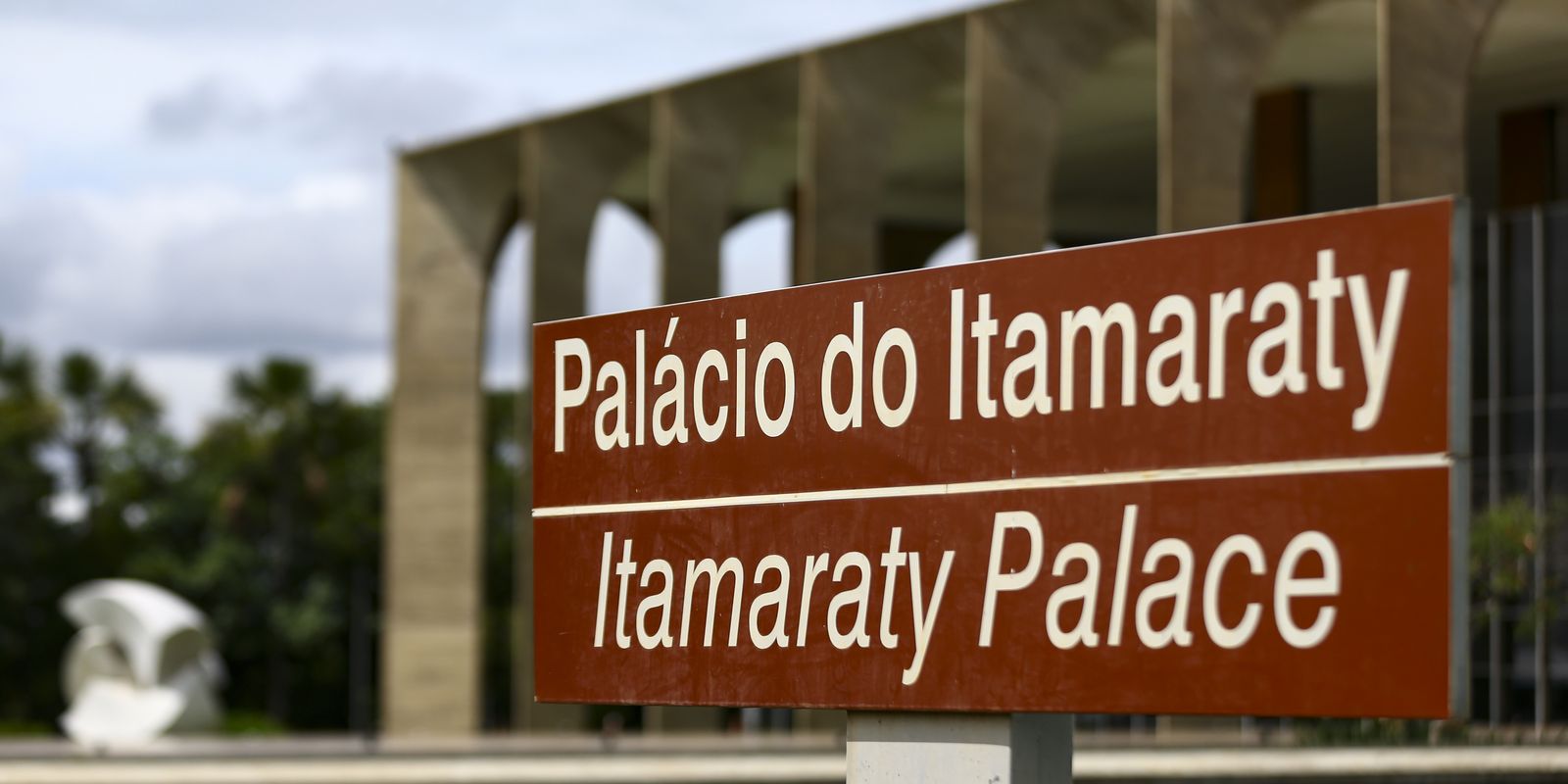


 4 sources
Morning Edition · Wednesday, October 21, 2026Published at 1:06 AM EDT · New York
Milei calls Lula a "leftist thief" four days before a Brazilian runoff that polls show within two points
Brazil's foreign ministry condemned the remarks as interference, and a Folha columnist warns that both candidates' plans to expand state-bank lending would push interest rates higher.
Argentine President Javier Milei on Tuesday accused Brazilian President Luiz Inácio Lula da Silva of running a "dirty campaign." He called Lula a "leftist thief" and said he hoped Lula would not "steal" Sunday's runoff against Senator Flávio Bolsonaro, MercoPress reported. Brazil's foreign ministry, known as Itamaraty, issued a formal note of repudiation of the insults and of Milei's suggestion of fraud, the state news agency Agência Brasil reported. Brasília called the remarks an "unacceptable" attempt to interfere, the Buenos Aires Times reported.
The race is close. Flávio Bolsonaro led the first round with 47% to Lula's 45%. A polling average puts him at 51.1% of valid votes against Lula's 48.9%, the Rio Times reported. Individual polls range from a 51-49 Lula lead to a 52-48 Bolsonaro lead. Market pricing shows investors favor one outcome: the Ibovespa closed at a record 209,066.90 on October 9, about 8.8% above its last close before the first round, according to the Rio Times.
Economics columnist Bernardo Guimarães argues that the two candidates' platforms converge on one point that should worry bondholders. In a Globo interview last week, Lula promised "the biggest credit policy the country has ever known." Flávio Bolsonaro and his adviser Daniella Marques also propose expanding credit through the state bank Caixa, Guimarães wrote in Folha. He concludes that both plans lead to higher interest rates. Subsidized state-bank lending weakens the effect of the central bank's benchmark Selic rate, so the central bank must hold it higher to slow the rest of the economy.
Part of a tracked trend
Emerging-Market Elections Turn on Fiscal Credibility
In large emerging markets, polarised elections keep making fiscal rules and congressional arithmetic, rather than the identity of the winner, the main determinant of currency and local-rate pricing.
Veracity: Corroborated
80/100- If true, who benefits
Flávio Bolsonaro gains from a fraud narrative before a close runoff, and Lula gains from a foreign-interference frame. Investors positioned for a Bolsonaro win would lose the most if the result is disputed.
- The nuance
Milei's "thief" label relies on a corruption conviction that <a href="https://www.occrp.org/en/news/brazils-top-court-dismisses-convictions-against-lula-da-silva">the Supreme Federal Court annulled in 2021 on jurisdictional grounds without ruling on guilt</a>. He has <a href="https://www.opovo.com.br/agencia/bbc/2026/08/03/milei-dobra-a-aposta-e-volta-a-criticar-lula-e-um-ladrao-um-corrupto.html">repeated the insult since July</a>, and the interference charge comes from Itamaraty, which reports to the candidate it is defending.
An open-source-intelligence read of how likely this story is true with its real nuance, not a judgment of any outlet. It assesses the claim, weighing independent and adversarial reporting. How we label confidence.
What this means
Markets priced a Flávio Bolsonaro win after the first round. A Lula victory would therefore move the real and Brazilian local rates more than a Bolsonaro one. That repricing reflects positioning around which candidate wins, since the Folha analysis shows both camps planning similar credit expansion through state banks. Directed credit forces the central bank to keep the Selic higher for longer. That penalizes private borrowers and supports holders of Brazilian floating-rate government debt. Milei's intervention matters less for the vote than for Mercosur. If Lula wins, relations between Brasília and Buenos Aires will be openly hostile, which complicates trade and Argentina's access to its largest market. The best-documented precedent is 2014, when state-bank lending expanded around Dilma Rousseff's re-election and preceded the 2015 to 2016 recession. The desk's read is that the post-election rally, or the sell-off after a Lula win, fades within weeks if the winner keeps the state-bank credit plan, because that plan keeps rates high. The read would prove wrong if the winner names a finance minister who drops the Caixa expansion and commits to the fiscal framework.
Synthesized from: MercoPress · Agência Brasil · Folha (Mercado) · Buenos Aires Times
Townsquare
Start a discussion in Townsquare.
More from this edition
- Brent holds above $110 as Hormuz stays closed and the White House rules out an Iran strike before November 3
- Gold slips to about $4,113 as Treasury yields above 5% and a likely December Fed hike outweigh the Iran war
- ECB chief economist Philip Lane makes the case in China for euro liquidity lines
- SpaceX posts $4.4 billion profit on AI computing leases as Musk backs a merger with Tesla
- Witkoff flies from Oslo to St Petersburg with proposals from the Oslo talks
- Turkey's parliament takes up the Mecca defense pact with Saudi Arabia and Pakistan
- France, Italy and Portugal deploy soldiers and police against cost-of-living protests
Comments
0No comments yet.