← The Global Intelligence Brief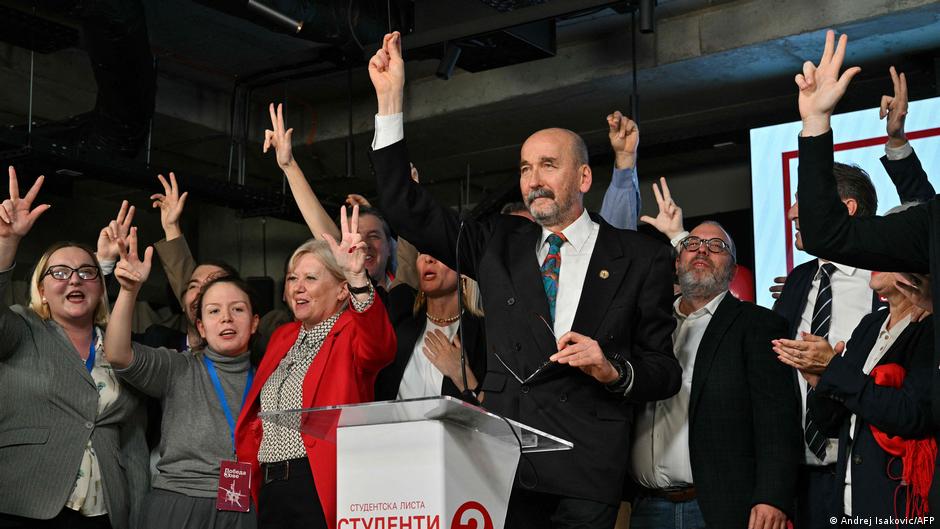


 4 sources
Morning Edition · Monday, October 26, 2026Published at 1:15 AM EDT · New York
Vučić concedes Serbia's election to a student-led list and warns sanctions on Russia could follow by spring
Brussels welcomed the result immediately, while the winning Student List has previously said it would keep Belgrade's existing policy toward Moscow.
Aleksandar Vučić, who has dominated Serbian politics for more than a decade, conceded defeat to a student-led movement in Sunday's snap parliamentary election, Deutsche Welle reported. The movement grew out of nearly two years of protests that began after a concrete canopy at the Novi Sad railway station collapsed on November 1, 2024, killing 16 people. Protesters accused the governing Serbian Progressive Party of corruption, the Kyiv Independent reported.
In defeat, Vučić focused on Russia. "I am worried that by March or April we will have sanctions against Russia. They will do everything we did not want," he said, as quoted by Russian outlets and summarized by the Russian financial channel Bankrollo. Serbia is a candidate for European Union (EU) membership, but under Vučić it refused to join EU sanctions on Moscow, and it relies on Russian pipeline gas. The same Russian reports noted that the Student List had previously promised to keep Belgrade's current policy toward Moscow. Vučić's warning is therefore his own forecast, not the winners' stated program.
European Commission President Ursula von der Leyen and European Council President António Costa congratulated the Student List, according to Kommersant. They said they were ready to support reforms on the rule of law, media freedom and the fight against corruption.
Part of a tracked trend
Russia's European Footholds Erode
Domestic political change in Russia-friendly European states keeps narrowing Moscow's ability to block or split EU sanctions consensus, so Russia increasingly relies on energy contracts rather than allied governments to keep influence in Europe.
Veracity: Corroborated
84/100- If true, who benefits
Brussels gains a candidate government that is willing to work on rule-of-law reforms. Moscow benefits if Vučić's sanctions warning hardens pro-Russian opinion in Serbia against the new majority before it takes office.
- The nuance
Al Jazeera, Euronews and others confirm the concession. The Student List's written program states that Serbia will not impose measures on Russia. Pro-government outlets such as Novosti claim the list hides its real intention. The actual pressure comes from the EU accession requirement to align with the bloc's foreign policy, and that applies to whichever party governs.
An open-source-intelligence read of how likely this story is true with its real nuance, not a judgment of any outlet. It assesses the claim, weighing independent and adversarial reporting. How we label confidence.
Synthesized from: Deutsche Welle · Polylog editors · Kommersant · Kyiv Independent
Townsquare
Start a discussion in Townsquare.
More from this edition
- Lula wins a fourth term in an upset, and investors who bet on Bolsonaro rush to unwind Brazil positions
- Gold falls below $4,000 and bitcoin trades near $80,000 as oil-driven inflation revives Fed hike bets
- Brent slips to about $115 despite new Houthi claims of strikes on Saudi oil infrastructure
- Israel's army chief demands written authorization before an Iran-linked order, a day before Israelis vote
- Kremlin says Russia could resume gas sales to Europe weeks after Washington waived sanctions on its diesel
- SpaceX borrows $40 billion to buy AI chips as Musk predicts failures among smaller cloud rivals
- Infosys cuts its growth forecast again and its shares fall 4% as AI squeezes India's outsourcing model
Comments
0No comments yet.