← The Global Intelligence Brief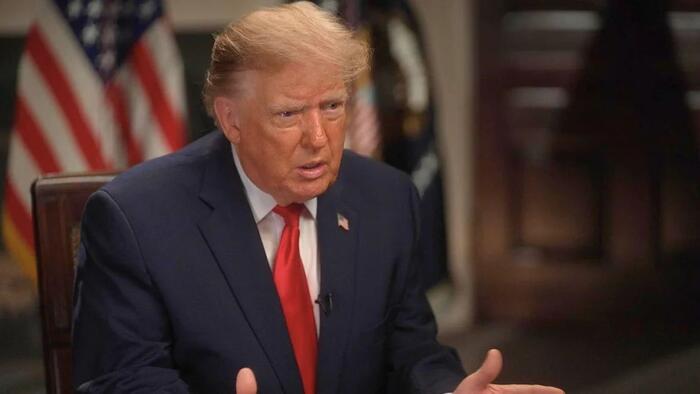


 4 sources
Morning Edition · Monday, November 9, 2026Published at 12:08 AM EST · New York
Taiwan and Japan stocks rebound from the midterm sell-off as Trump concedes his Iran war and deportations cost Republicans votes
Taiwan's Taiex rose 5.72% and Japan's Nikkei 225 rose 3.45% by midday Monday, while futures traders still put roughly a 77% chance on a Federal Reserve rate increase in December after October payrolls beat forecasts.
Asian equities recovered part of last week's losses on Monday. By 04:00 GMT the Taiex was up 5.72%, the Nikkei 225 up 3.45% and South Korea's Kospi up 1.68%, Al Jazeera reported. On Friday the same outlet had the Nikkei down about 6% and the Kospi down about 9%. Investors had feared that the Democrats' sweep of both houses of Congress would slow the build-out of artificial-intelligence data centers. CNN put Thursday's Wall Street losses at $2.5 trillion in market value.
The policy fear is concrete. OilPrice reported that Democrats will chair the key committees in both chambers and hold governorships in data-center states such as Ohio. That gives the party influence over power pricing, permitting and subsidies for the electricity-hungry facilities.
President Trump offered a different explanation for the result. He told CBS's 60 Minutes that voters were turned off by deportations, the Iran war and "bad messaging" on the economy, and he floated an immigration amnesty deal with Democrats. ZeroHedge noted that Trump said the deportation policy "might be too tough" about an hour before he named the official who designed it as his chief of staff. The outlet treats the two moves as contradictory.
Monetary policy is moving the opposite way. Employers added 165,000 jobs in October against about 65,000 expected, and unemployment fell to 4.1%. Those figures lifted the CME FedWatch probability of a quarter-point December hike to about 77%. The Federal Reserve holds its benchmark rate at 3.75% to 4% after raising it in September. On Friday the dollar index rose 0.74% to about 102.3 and the 10-year Treasury yield closed near 4.87%, according to a Rio Times briefing.
Part of a tracked trend
Renewed Fed Tightening Fears Rattle Global Markets
Over the next 3-6 months stronger US data revives expectations of Fed rate hikes, driving a firmer dollar, equity selloffs in export-heavy markets, and pressure on hard assets as the IMF warns of recurring economic shocks.
What this means
The AI hardware trade is under pressure from two directions. Politically, Democrats gain leverage over power prices and permitting from January. Monetarily, the Fed is raising the cost of the credit that funds data-center construction. The Korean and Taiwanese chip exporters that dominate AI hardware are the most exposed, followed by Asian currencies when the dollar firms. Markets have already priced the sweep. The new information is Trump's admission that the Iran war cost votes, which makes renewed strikes less likely and pulls oil and headline inflation lower. That could cut December hike odds. The consensus may overstate Congress's power over AI spending: most of it is privately financed, and the Fed's rate path moves it more than any committee chair. The closest precedent is 2018, when Democrats won the House, the Fed hiked in December, and the S&P 500 fell almost 20% from its September peak by late December. The rate path will decide between two outcomes. If November inflation and jobs data stay firm, the Fed hikes on December 9 and the Asian chip rebound fades within weeks. If oil keeps falling and inflation softens, hike odds drop and the rebound extends.
What to watch
- The November jobs and consumer-price reports before the December 8-9 Fed meeting. Firm readings would confirm a hike and put pressure on rate-sensitive AI hardware stocks again.
- Statements from incoming Democratic committee chairs on data-center power pricing and permitting. Specific bills would turn last week's broad sell-off into a measurable policy cost.
- The dollar index after Friday's 0.74% gain. A sustained rise would tighten conditions for export-heavy Asian markets regardless of what happens to chip stocks.
Observations to monitor, not financial advice.
Synthesized from: Al Jazeera · Financial Times · ZeroHedge · OilPrice
Townsquare
Start a discussion in Townsquare.
More from this edition
- Nvidia's board investigates whether Jensen Huang was targeted by Chinese intelligence after he admits an affair
- China's producer prices rise 5.7% in October, the fastest pace since June 2022, as consumer inflation slows to 0.7%
- Brent falls below $100 after Trump calls new Iran strikes unlikely, while Rubio says Tehran's demands are unrealistic
- Bitcoin swings between about $73,800 and $75,000 as the Nvidia scandal triggers more than $1 billion in crypto liquidations
- China extends its suspension of a 24% tariff on US goods for two months and keeps a 10% levy in place
- G7 ministers meet in Paris as US, Russian and Ukrainian delegations prepare for talks in Abu Dhabi
- Paraguay jails former president Santiago Peña before trial over the Ueno Bank collapse
Comments
1Nov 9, 5:08 AM · edited
Against the declines of about 6% and 9% cited for Friday, Monday's gains recover roughly half of the Nikkei's drop but only about a sixth of the Kospi's.