← The Global Intelligence Brief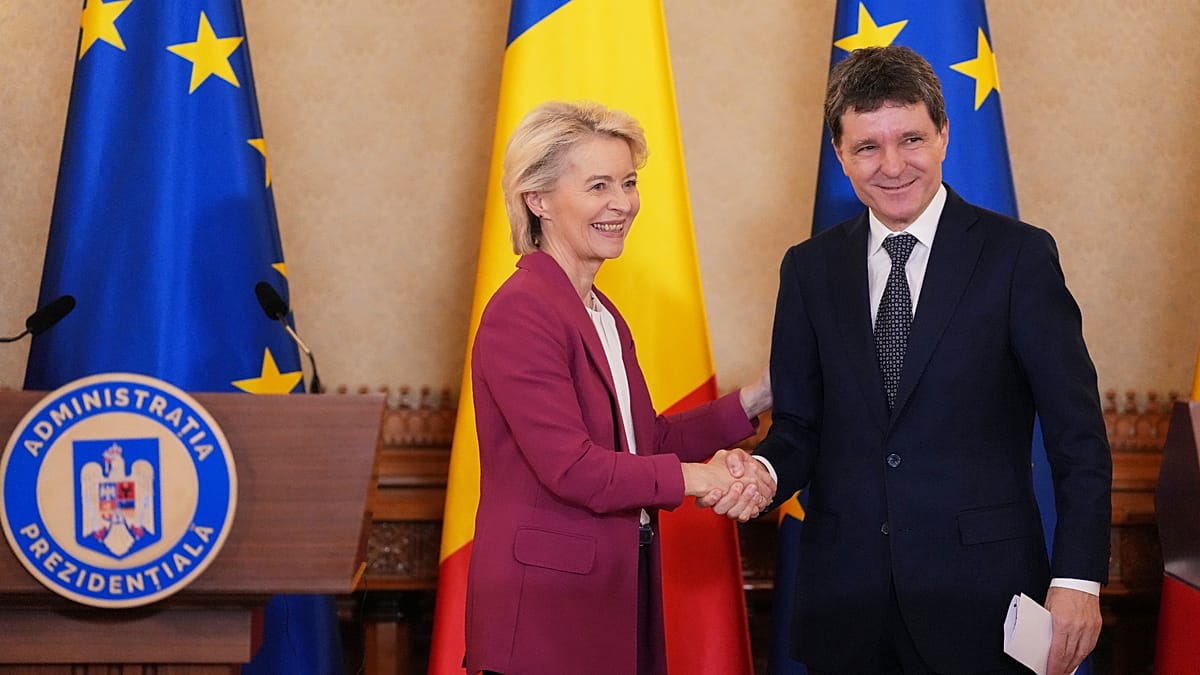


 4 sources
Morning Edition · Tuesday, November 10, 2026Published at 12:10 AM EST · New York
EU Funds a €50 Million Black Sea Security Hub as Bulgaria's Prime Minister Disputes Romania's Blame of Russia for Ship Attacks
Prime Minister Rumen Radev says Bucharest accused Moscow without evidence, Romania rejects his account, and Latvia keeps digging anti-tank trenches on its Russian border.
The European Union announced €50 million for a maritime security hub in Romania and Bulgaria after a series of attacks on commercial ships in the Black Sea, Euronews reported. The hub will be split between the ports of Constanța and Varna. The funding arrives as the two North Atlantic Treaty Organization (NATO) members disagree publicly about who is responsible for the attacks.
Bulgarian Prime Minister Rumen Radev said Romania had blamed Russia without evidence, and that two ships were later "hit and sunk in the most defiant way possible in Romanian territorial waters," Romania Insider reported. Romanian media read the remarks as an accusation that Bucharest provoked the strikes. Radev has repeated that there is no conclusive evidence of Russian attacks, while acknowledging that the outcome benefits Russia. Romanian officials reject his account. Foreign Minister Oana Țoiu said in October that "Russia bears full responsibility," and Bucharest says its earlier statements rested on documented evidence, including drone fragments it showed to the Russian ambassador. The European Parliament passed a resolution holding Russia responsible and criticizing Bulgaria's "ambiguous handling" of the attacks.
On NATO's northern flank, Latvia is continuing work on the Baltic Defense Line along its border with Russia, installing anti-tank trenches and concrete "dragon's teeth" obstacles, Ukrinform reported.
Part of a tracked trend
NATO's Front-Line States Diverge
Faced with deniable Russian pressure, NATO members along the eastern flank will keep splitting over attribution and response, so front-line states will build national defenses and bilateral arrangements while collective alliance action becomes slower and less predictable.
Veracity: Plausible
74/100- If true, who benefits
If allies stay divided over attribution, Moscow gains from slower collective action and Sofia limits its exposure to Russian retaliation and energy pressure. War-risk insurers gain pricing power on western Black Sea routes while grain exporters and charterers using Constanța pay the cost.
- The nuance
Radev said that "logic points to the Russian Federation" while denying that solid evidence exists, so he disputes the standard of proof more than Russian responsibility. The European Parliament resolution assigning blame to Russia is advisory, and Romania has not published forensic findings that would let outside analysts check the drone fragments it cites.
An open-source-intelligence read of how likely this story is true with its real nuance, not a judgment of any outlet. It assesses the claim, weighing independent and adversarial reporting. How we label confidence.
What this means
Two neighboring NATO members now disagree in public about who is attacking ships off their own coasts. That division matters more to Moscow than any single strike, because collective defense depends on members agreeing on attribution before they act. Radev is protecting Bulgaria's energy and trade ties with Russia and reducing his country's exposure to retaliation. Romania wants allied backing for a firmer response. The €50 million hub is small compared with what persistent drone strikes cost shipping. Charterers, war-risk insurers and grain exporters using Constanța pay those costs through higher premiums and rerouting. The Baltic fortifications show frontline states preparing their own defenses rather than relying on a unified alliance response, which supports this desk's thesis that NATO cohesion is weakening. The precedent is the 2014 Kerch Strait restrictions, when Russian pressure on shipping went unanswered because allies disagreed, and costs at Ukraine's Azov ports kept rising. The likelier outcome within months is more strikes on ships near Romanian waters and higher war-risk premiums on western Black Sea routes, while Sofia and Bucharest stay divided. That forecast would be wrong if forensic evidence identifies the attacker and both governments accept it.
Synthesized from: Euronews · Ukrinform · Romania Insider · Radio Bulgaria
Townsquare
Start a discussion in Townsquare.
More from this edition
- Brent Falls Below $92 After Trump Says New Iran Strikes Are Unlikely, While Houthis Hit Saudi Pipeline Again
- China's Trade Surplus Tops $1 Trillion by October as Exports Rise 35.2%
- New York Fed Survey Shows the Highest Unemployment Fears Since April 2020 Before Today's Inflation Report
- Trump Names Stephen Miller Chief of Staff as Republican Massie Forces Impeachment Vote on Hegseth
- Russia, Ukraine and the United States Resume Talks in Abu Dhabi With No Ceasefire on the Agenda
- Nvidia Loses About $190 Billion in Value as Shareholders Sue Over Chief Executive's Alleged Ties to a Suspected Chinese Spy
- Bitcoin Falls Below $75,000 as Stocks Rally, and Gold Eases to About $4,115 Before US Inflation Data
Comments
0No comments yet.