← The Global Intelligence Brief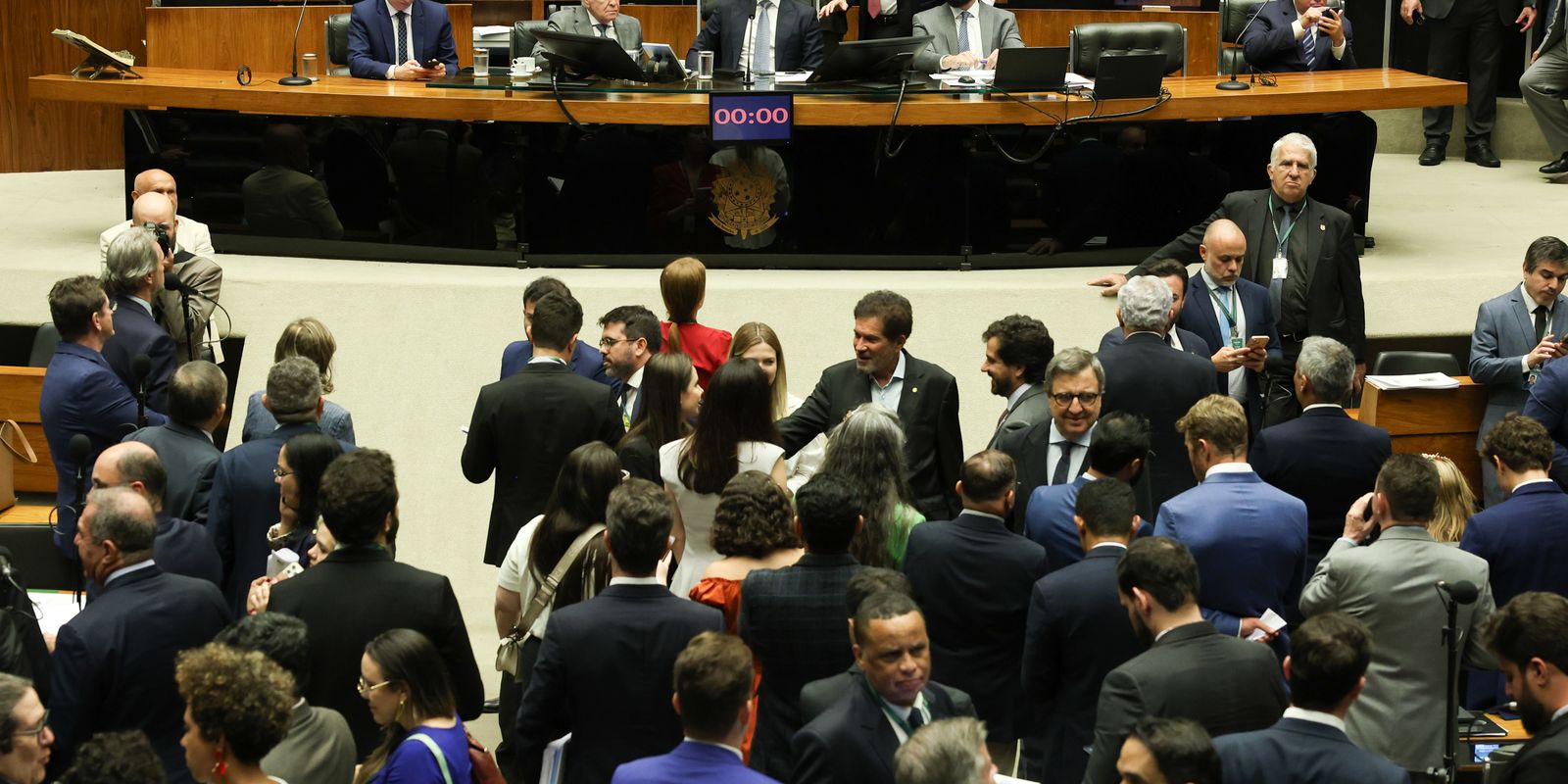
Morning Edition · Tuesday, November 24, 2026Published at 12:19 AM EST · New York
Brazil's Lower House Approves the Core of a 2027 Fiscal Adjustment by 353 Votes to 128
The vote came hours after the Finance Ministry cut its 2027 growth forecast to 1.8% and raised its inflation forecast to 4.5%, the ceiling of the official target.
Brazil's Chamber of Deputies approved the base text of the government's fiscal-adjustment bill on Monday night, with 353 votes in favor, 128 against and five abstentions, the state agency Agência Brasil reported. The rapporteur, Deputy Mauro Benevides Filho of the União party, recommended approval without changes. The Senate passed the text on Nov. 18, and the Chamber still has to vote on proposed amendments.
The bill sets a target primary surplus of about R$18.7 billion for 2027 and estimated savings of R$45.1 billion to R$56.1 billion. In years when spending-containment measures apply, it lowers the cap on spending growth above inflation from 2.5% to 2%, and it allows additional spending freezes. The bill limits how fast spending grows. It does not cut spending.
Some measures are weaker than they first appear. InfoMoney explained that the text gives the government 60 days to regulate public salaries paid above the constitutional ceiling, known as "supersalaries." Actually reducing those payments, however, requires a new law.
The macro outlook is worsening. In its November bulletin, the Finance Ministry cut its 2027 growth forecast from 2.3% to 1.8% and raised its inflation forecast from 3.8% to 4.5%, MercoPress reported. The government blamed the slowdown on high interest rates. Luiz Carlos Trabuco, chairman of Bradesco, told Folha on the same day that the cost of capital is a barrier to growth. A government forecasting inflation at the top of its target while it blames interest rates for slower growth is, in effect, asking the central bank to ease without giving it much fiscal room to do so.
Credit risk also surfaced in Brasília, the capital. The Brazilian Securities Commission (CVM) suspended the public-company registration of Banco de Brasília (BRB), a lender owned by the Federal District government. The bank said in a statement on Monday night that it continues to operate normally.
Townsquare
Start a discussion in Townsquare.
More from this edition
- Nvidia Adds About $950 Billion in One Session After Trump Helps Return Jensen Huang as Chief Executive
- Gold and Bitcoin Rebound With Stocks After the Nvidia Reversal, Recovering Part of Last Week's Forced-Selling Losses
- Brent Holds Near a Three-Month Low as Libyan Oil Returns and Iran Says Three Tankers Hit Mines in Hormuz
- Israel Prepares for a New Round With Iran After Its Military Confirms Joint Planning With US Central Command
- Washington Blacklists Megaspeed, and Singapore's Prime Minister Says the City-State Will Not Be a Route Around US Chip Controls
- Argentina's Central Bank Adds About $700 Million in Collateral to a $6 Billion Bank Loan After Its Pledged Bonds Lose 26%
- Rostec Chief Says Russian Industry Needs a Key Rate of 6% to 7% to Restart Investment, Half the Bank of Russia's 14%
Comments
0No comments yet.