← The Global Intelligence Brief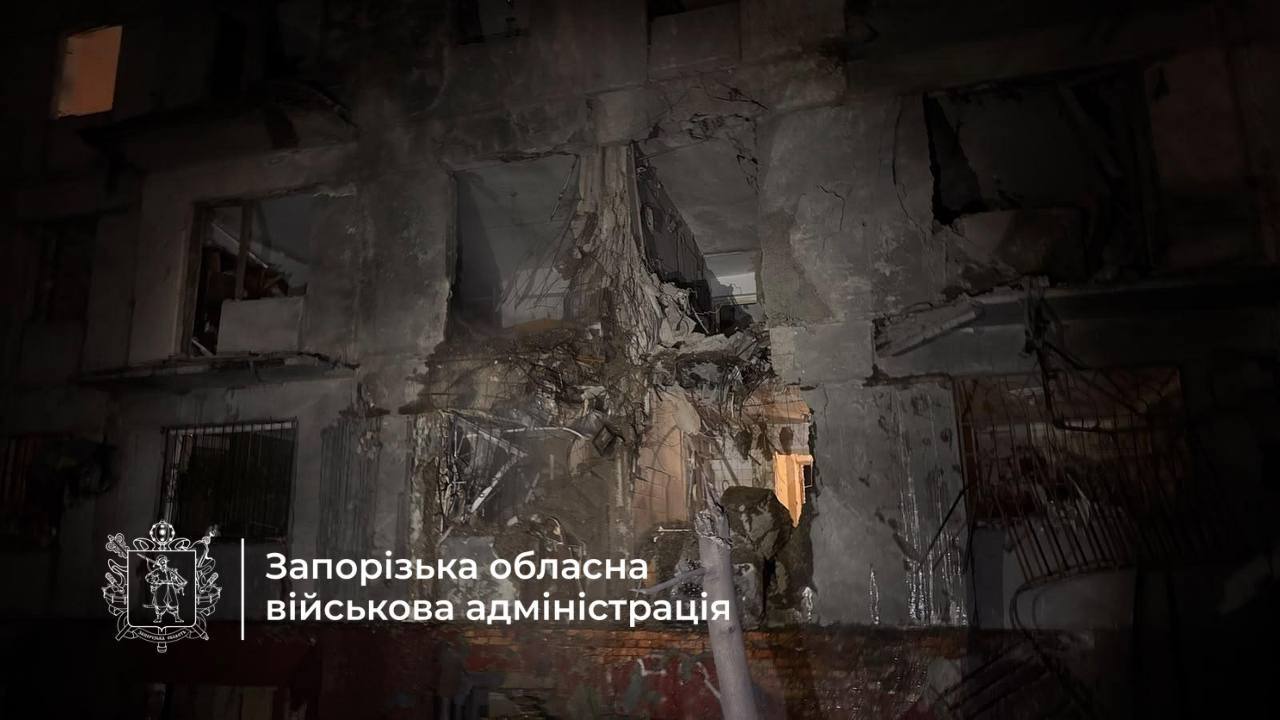
Morning Edition · Tuesday, November 24, 2026Published at 12:19 AM EST · New York
New York Times Analysis of Hacked Russian Data Puts Russian Military Deaths Above 700,000
Earlier tallies drawn from hacked Russian statistics files gave 393,000 to 450,000 deaths, and Russian state media say Ukraine's own pool of recruits is shrinking.
An analysis reported by The New York Times indicates that more than 700,000 Russian soldiers have died in Ukraine, based on hacked government data. The newspaper presented the figure as evidence of the human cost of President Vladimir Putin's war of attrition.
The number is well above earlier readings of what appears to be the same body of leaked material. Hacker groups Cyber Partisans and Silent Crow said they took about 23 terabytes from Rosstat, Russia's state statistics agency, and their own tally ranged from 393,000 to 450,000 war-related deaths. Rosstat confirmed it had been hacked but denied that sensitive information was obtained. Russia's government has not published a full casualty count. The gap between estimates likely reflects different methods, and the hackers, Kyiv and Western governments all gain if the higher figure is believed.
Moscow's message focuses on the other side's losses. Andrey Marochko, a Russian military commentator, told TASS that heavy losses are shrinking Ukraine's pool of recruits, that Kyiv is considering a travel ban for teenagers, and that it is weighing the mobilization of women. Neither side's manpower claims can be verified independently.
Ground fighting has largely stalled while aerial attacks intensify. Israel's Ynet wrote in Hebrew that, almost five years after the Russian invasion, the war map shows almost no movement. It said ground fighting has effectively stalled and talks are stuck, while it described strikes from the air as repeatedly reaching new "records of fire and blood." Overnight, a Russian strike partially destroyed a five-story residential building in Zaporizhzhia, killing two people and injuring 22, according to regional governor Mykhailo Semikin. An earlier Ukrinform report had put the number of injured at 11.
Part of a tracked trend
Strikes Move to Each Other's Home Fronts
Both Russia and Ukraine keep shifting long-range strikes toward transport, warehousing and civilian-adjacent targets far from the front, so aviation, logistics and insurance costs deep inside both economies keep rising and each mass-casualty incident pushes a negotiated pause further away.
Townsquare
Start a discussion in Townsquare.
More from this edition
- Nvidia Adds About $950 Billion in One Session After Trump Helps Return Jensen Huang as Chief Executive
- Gold and Bitcoin Rebound With Stocks After the Nvidia Reversal, Recovering Part of Last Week's Forced-Selling Losses
- Brent Holds Near a Three-Month Low as Libyan Oil Returns and Iran Says Three Tankers Hit Mines in Hormuz
- Israel Prepares for a New Round With Iran After Its Military Confirms Joint Planning With US Central Command
- Washington Blacklists Megaspeed, and Singapore's Prime Minister Says the City-State Will Not Be a Route Around US Chip Controls
- Argentina's Central Bank Adds About $700 Million in Collateral to a $6 Billion Bank Loan After Its Pledged Bonds Lose 26%
- Brazil's Lower House Approves the Core of a 2027 Fiscal Adjustment by 353 Votes to 128
Comments
0No comments yet.