← The Global Intelligence Brief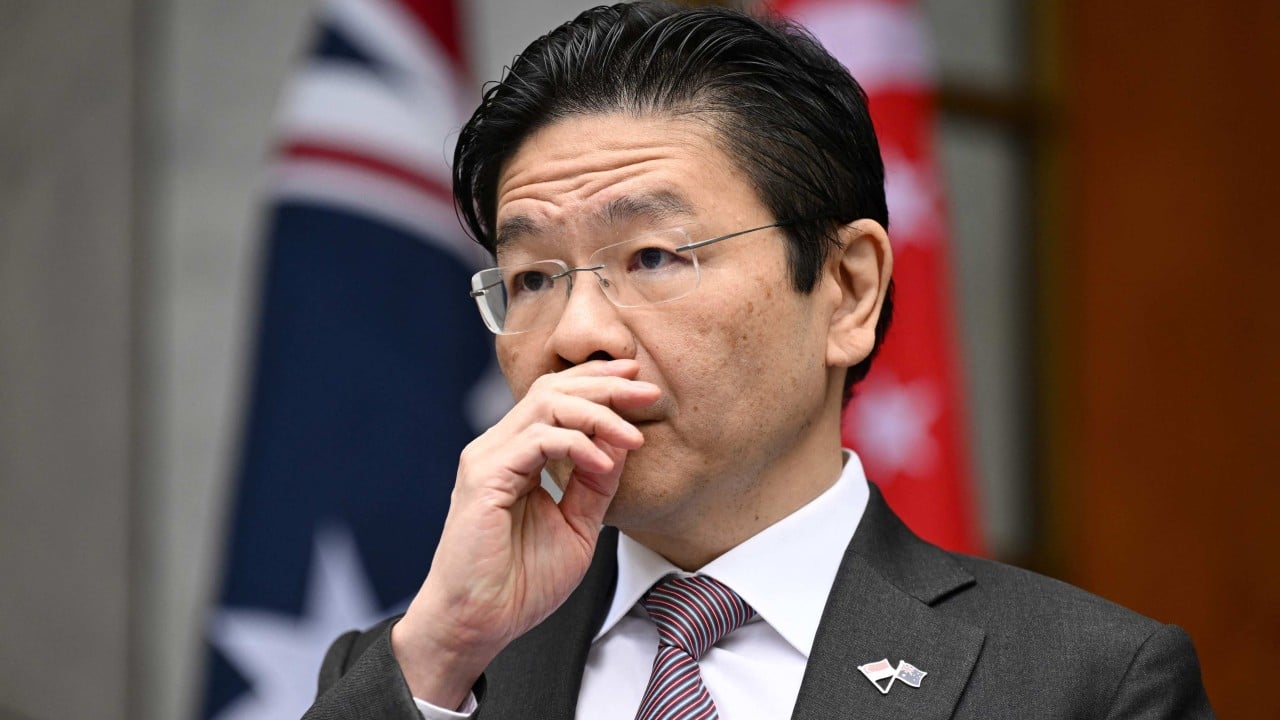
Morning Edition · Tuesday, November 24, 2026Published at 12:19 AM EST · New York
Washington Blacklists Megaspeed, and Singapore's Prime Minister Says the City-State Will Not Be a Route Around US Chip Controls
The listing came on the same day Nvidia reinstated Jensen Huang, after Treasury Secretary Scott Bessent had said four agencies wanted the Singapore-based company added and the Commerce Department had not acted.
The Trump administration added Megaspeed to a trade blacklist on Monday, Deutsche Welle reported. Megaspeed is the Singapore-based Nvidia customer under investigation for alleged chip diversion. DW said the move followed tension within the government over the earlier failure to list the company, and that it came on the same day Nvidia's board reinstated Jensen Huang.
The delay had become a political issue. Treasury Secretary Scott Bessent said on Nov. 13 that four departments wanted Megaspeed listed and that the decision belonged to the Commerce Department, led by Secretary Howard Lutnick. Citing the Financial Times, AI Weekly reported that Commerce had not added any company to its Entity List in more than a year. The Justice Department is running a criminal investigation into Megaspeed. Nvidia says it placed the company on its own no-sell list in June 2025, before any government designation.
Singapore sought to distance itself from the case. Speaking to reporters in Australia on Tuesday, Prime Minister Lawrence Wong said Singapore is working with the United States to stop companies "exploiting" the country to divert US chips, and that Singapore was not involved in the US investigation. The Financial Times reported that Wong vowed the city-state would not let companies break the law by getting around export controls.
Singapore has a concrete reason to speak now. A proposed US rule would add Singapore, Malaysia, Thailand, Indonesia and Brazil to a list of countries facing restrictions on advanced chip exports, which could affect data-center projects. A company-level listing hurts one intermediary. A country-level rule would raise costs for every data-center operator and distributor in the jurisdiction. Wong's offer of cooperation is an attempt to keep enforcement at the level of individual companies.
Part of a tracked trend
Compute Becomes a Controlled Strategic Good
Townsquare
Start a discussion in Townsquare.
More from this edition
- Nvidia Adds About $950 Billion in One Session After Trump Helps Return Jensen Huang as Chief Executive
- Gold and Bitcoin Rebound With Stocks After the Nvidia Reversal, Recovering Part of Last Week's Forced-Selling Losses
- Brent Holds Near a Three-Month Low as Libyan Oil Returns and Iran Says Three Tankers Hit Mines in Hormuz
- Israel Prepares for a New Round With Iran After Its Military Confirms Joint Planning With US Central Command
- Argentina's Central Bank Adds About $700 Million in Collateral to a $6 Billion Bank Loan After Its Pledged Bonds Lose 26%
- Brazil's Lower House Approves the Core of a 2027 Fiscal Adjustment by 353 Votes to 128
- Rostec Chief Says Russian Industry Needs a Key Rate of 6% to 7% to Restart Investment, Half the Bank of Russia's 14%
Comments
0No comments yet.