← The Global Intelligence Brief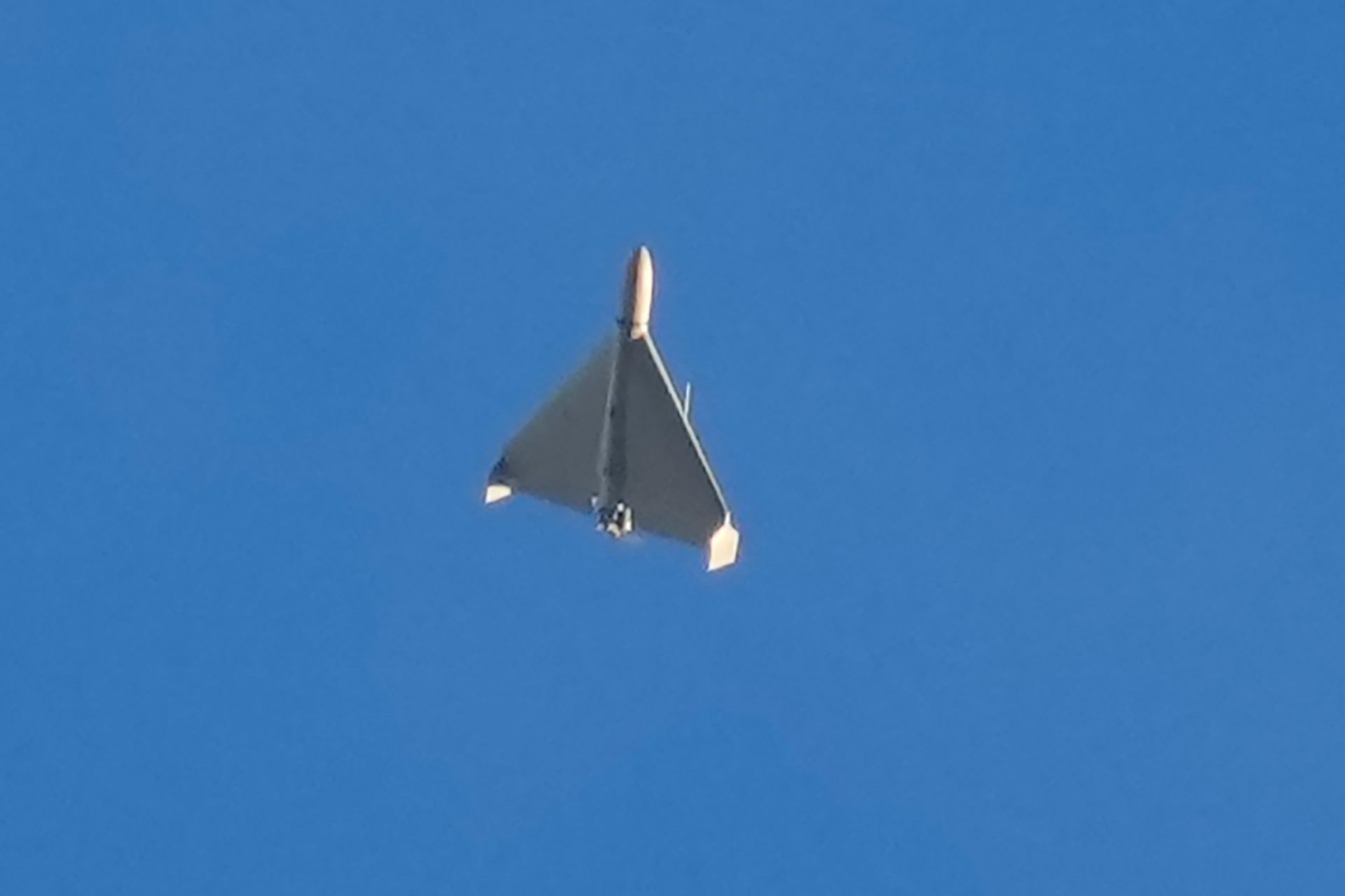
Morning Edition · Tuesday, November 24, 2026Published at 12:19 AM EST · New York
Polish Commanders Authorized but Did Not Order Fire on a Russian Drone That Entered Lublin Province
The drone stayed in Polish airspace for several minutes near Dorohusk during a Russian attack on western Ukraine, while a drone crash in Transnistria and Russian flights near South Korea added to activity near other states' borders.
A Russian drone entered Polish airspace on Monday night during a Russian attack on western Ukraine, Poland's military said. The Operational Command of the Polish Armed Forces said the drone entered near Dorohusk in the Lublin region and stayed for several minutes before returning to Ukrainian territory. The operational commander authorized a shoot-down, but forces did not carry it out. After the drone turned east, the command decided not to use weapons because of the risk to civilians from bringing it down over populated areas. An air-raid alert covered much of Lublin province for nearly an hour.
Polish broadcaster RMF24, citing sources close to the Defense Ministry, said the aircraft was a jet-powered reconnaissance drone with surveillance cameras. The military has not confirmed the type. None of the cited reporting included a Russian comment.
On the same evening, a drone crashed and exploded near the town of Dnestrovsc in Transnistria, the separatist region of Moldova that the government in Chisinau does not control, Moldova's IPN agency reported. Witnesses described a fire near a gas station. The town lies next to the border with Ukraine's Odesa region. The reports did not establish where the drone came from.
In northeast Asia, The Japan Times reported that South Korea scrambled fighter jets after Russian warplanes entered its air defense identification zone. Russian aircraft have entered the zone many times, but Seoul rarely issues warnings in response. Russia and China do not recognize South Korea's claim over the zone.
Poland's decision reflects a clear calculation. Firing over populated areas risks civilian casualties and escalation, while holding fire lets Russia test Polish detection and response at little cost. Each incursion that ends without engagement raises the practical threshold for a future response, and it raises frontline demand for cheaper short-range interceptors that can be used without that dilemma.
Part of a tracked trend
Russia Tests NATO's Eastern Flank
Russian missiles, drones and aircraft will keep entering the airspace of NATO and EU frontline states (Poland, Finland, the Baltics, Moldova), testing Article 4 and 5 thresholds while Washington plays down the incidents. Each incident raises European air-defense demand and frontline-state risk premia, and widens the gap between US and European threat assessments.
Townsquare
Start a discussion in Townsquare.
More from this edition
- Nvidia Adds About $950 Billion in One Session After Trump Helps Return Jensen Huang as Chief Executive
- Gold and Bitcoin Rebound With Stocks After the Nvidia Reversal, Recovering Part of Last Week's Forced-Selling Losses
- Brent Holds Near a Three-Month Low as Libyan Oil Returns and Iran Says Three Tankers Hit Mines in Hormuz
- Israel Prepares for a New Round With Iran After Its Military Confirms Joint Planning With US Central Command
- Washington Blacklists Megaspeed, and Singapore's Prime Minister Says the City-State Will Not Be a Route Around US Chip Controls
- Argentina's Central Bank Adds About $700 Million in Collateral to a $6 Billion Bank Loan After Its Pledged Bonds Lose 26%
- Brazil's Lower House Approves the Core of a 2027 Fiscal Adjustment by 353 Votes to 128
Comments
0No comments yet.