← The Global Intelligence Brief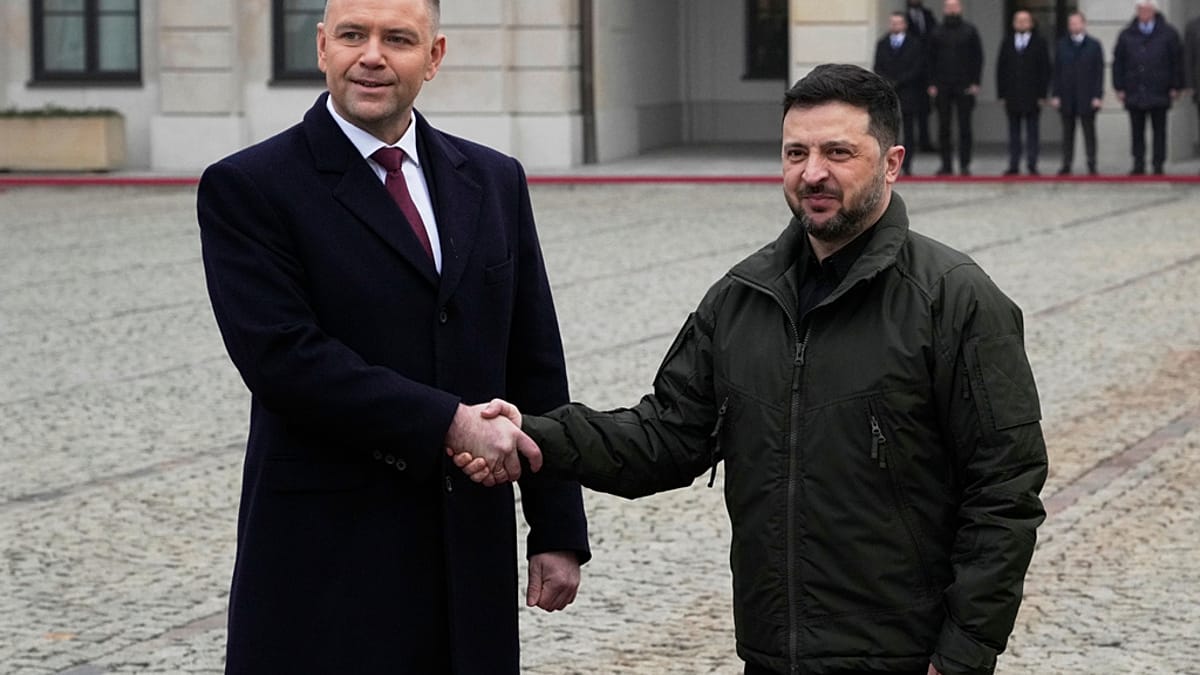
Morning Edition · Sunday, June 21, 2026Published at 6:14 AM EDT · New York
A Poland-Ukraine "Honours War" Exposes Cracks in the Eastern Front
After Poland's president stripped his Ukrainian counterpart of a top state award, Ukrainian officials are renouncing their own Polish honours, straining a key wartime partnership.
A symbolic dispute between two crucial allies is deepening. Euronews reported that after Poland's president revoked Ukraine's president from the country's highest state honour, current and former Ukrainian officials began renouncing their own Polish awards, escalating what the outlet called an "honours war" between Warsaw and Kyiv.
The timing matters because the rift runs counter to the unity Ukraine needs from its neighbours. Poland is a principal logistics route and political backer for Kyiv, and visible friction between them is the kind of division that benefits Moscow, whose officials, as TASS reported, are publicly confident that the West cannot ultimately defeat Russia. A quarrel over medals is minor in itself, but it signals fraying coordination among Ukraine's partners.
The dispute is rooted in unresolved historical grievances that wartime cooperation had largely suppressed, and their return suggests the political cohesion of the eastern coalition is weakening as the war continues.
Veracity: Corroborated
88/100- If true, who benefits
Moscow, which gains from any visible friction among Ukraine's partners and amplifies it through state media to validate a wait-out strategy.
- The nuance
The "fraying coalition" framing rests on a symbolic dispute over historical memory and medals, with transit, arms logistics, and aid cooperation so far intact.
An open-source-intelligence read of how likely this story is true with its real nuance, not a judgment of any outlet. It assesses the claim, weighing independent and adversarial reporting. How we label confidence.
What this means
The market relevance of a diplomatic dispute is indirect but real. Western cohesion is what sustains aid, sanctions and the logistics that keep Ukraine fighting, and visible divisions between frontline allies raise the probability of weaker support over time. For Russia, every such rift validates a strategy of waiting out the coalition rather than negotiating.
What to watch
Townsquare
Start a discussion in Townsquare.
More from this edition
- Trump-Backed de la Espriella Claims Narrow Win in Colombia as His Rival Contests the Count
- Hormuz Stays Shut to Shipping Despite Truce, Keeping a Risk Premium in Oil
- US and Iranian Negotiators Convene in Switzerland to Save a Fragile Truce
- Ukrainian Strikes Trigger a Fuel Crisis in Russian-Held Crimea
- Renewed Fighting in South Lebanon Strains the US-Brokered Calm
- Kremlin Says It Expects Victory, Not the Anchorage Deal It Signed
- Iran Says Fear of Economic Damage Drove Trump to the Table
- Colombians Vote in a Polarised Runoff That Could Redraw Ties With Washington
Comments
0No comments yet.