← The Global Intelligence Brief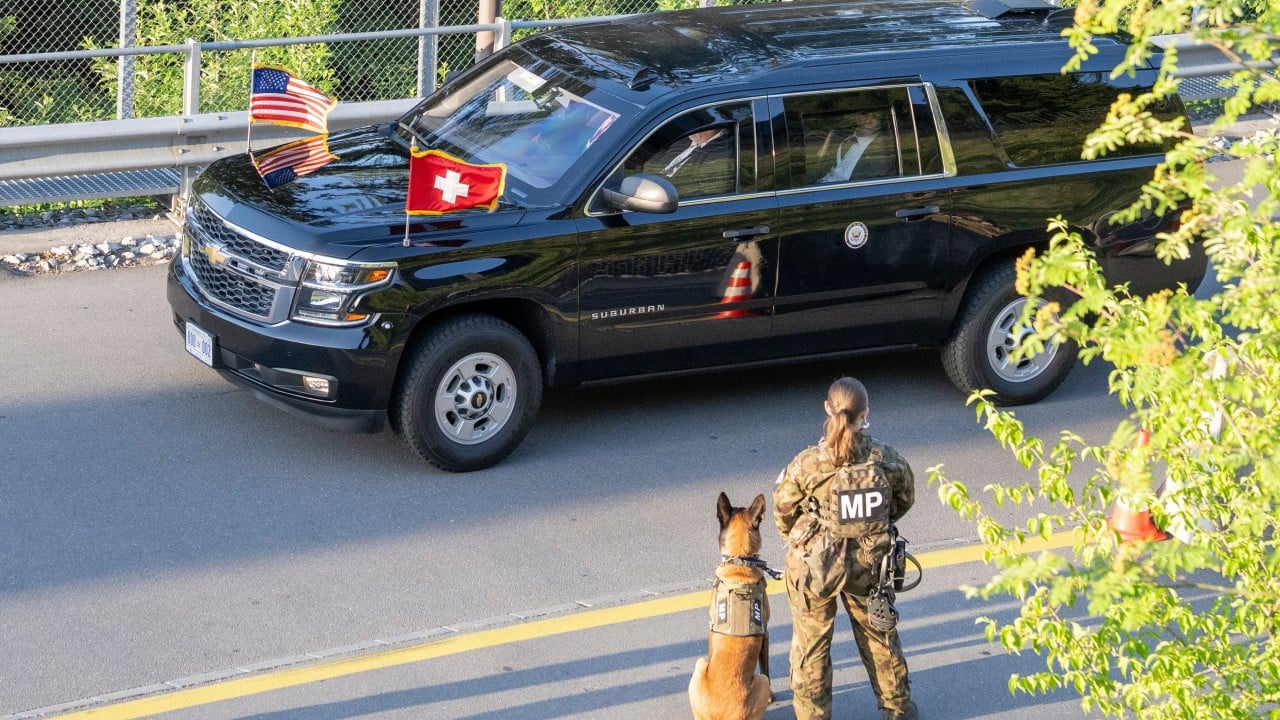


 4 sources
Morning Edition · Sunday, June 21, 2026UpdatedPublished at 5:01 PM EDT · New York
US and Iranian Negotiators Convene in Switzerland to Save a Fragile Truce
A first round of talks at Burgenstock ran only 80 minutes before stalling, after President Trump publicly threatened Tehran over Lebanon and the Strait of Hormuz and Iran's delegation walked out, leaving Vice President JD Vance's effort to secure the ceasefire and a nuclear accord in doubt.
Updated at 5:01 PM EDT
Talks moved from "negotiators arriving" this morning to a first round that concluded after 80 minutes and then stalled, after Trump threatened Iran's delegation and the Iranians left the venue in protest.
Senior negotiators from the United States, Iran, Qatar and Pakistan convened at the Swiss resort of Burgenstock for a new round of technical talks, according to the South China Morning Post, with the American delegation led by Vice President JD Vance and including Jared Kushner and Steve Witkoff. Iran's team was headed by Parliament Speaker Mohammad Baqer Qalibaf alongside Foreign Minister Abbas Araghchi. Switzerland's foreign ministry confirmed the parties' arrival, Kommersant noted, describing the session as an effort to stabilise a fragile ceasefire and settle the future of Iran's nuclear programme.
The opening did not last. The first four-way session ran roughly 80 minutes before breaking for what the parties called internal consultations, Press TV reported, and the negotiations then stalled after President Trump issued public threats against Tehran from outside the talks. Trump warned Iran to stop what he called its "highly paid proxies" in Lebanon and said Washington would strike again if it did not, and he told Iranian officials not to close the Strait of Hormuz, stating "You close it and you won't have a country." Iran's delegation left the venue in protest over those comments, Bloomberg reported, citing Iranian state media. The talks were paused rather than formally ended, CNN noted, with back-channel contacts continuing in an attempt to bring the parties back to the table.
The agenda is contested. Al Jazeera reported that Tehran wants Washington to press Israel to halt its renewed campaign in Lebanon, which Iran treats as a precondition for a broader settlement. Israeli and American officials, by contrast, are focused on verification of Iran's nuclear restrictions and on keeping the Strait of Hormuz open to commerce.
Whether the war and the June agreement actually removed the dangers that prompted the conflict is disputed. Many analysts told The New York Times that neither the fighting nor the deal terminated the principal threats associated with Iran, leaving the truce dependent on continued negotiation rather than a durable resolution.
Part of a tracked trend
Fragile US-Iran Detente
The US-Iran settlement is a managed, reversible arrangement rather than a durable peace, so repeated rounds of brinkmanship and renegotiation will keep regional risk live and intermittently price back into energy markets.
Veracity: Corroborated
86/100- If true, who benefits
Importers and equity markets pricing de-escalation, plus both governments seeking a domestic political win from a managed truce.
- The nuance
Several outlets reported the Switzerland round was postponed or suspended as Lebanon flared, so "now under way" overstates a session whose status was itself in flux.
An open-source-intelligence read of how likely this story is true with its real nuance, not a judgment of any outlet. It assesses the claim, weighing independent and adversarial reporting. How we label confidence.
What this means
Markets are treating the Iran truce as a settled fact, but the diplomacy that underpins it is still unfinished and easily reversed by events in Lebanon. The talks matter to investors mainly through energy and shipping. A breakdown would quickly restore the war-risk premium in crude, while visible progress would let the spring's price relief consolidate.
What to watch
Synthesized from: South China Morning Post · Al Jazeera · Kommersant · The New York Times
Townsquare
Start a discussion in Townsquare.
More from this edition
- Trump-Backed de la Espriella Claims Narrow Win in Colombia as His Rival Contests the Count
- Hormuz Stays Shut to Shipping Despite Truce, Keeping a Risk Premium in Oil
- Ukrainian Strikes Trigger a Fuel Crisis in Russian-Held Crimea
- Renewed Fighting in South Lebanon Strains the US-Brokered Calm
- Kremlin Says It Expects Victory, Not the Anchorage Deal It Signed
- Iran Says Fear of Economic Damage Drove Trump to the Table
- Colombians Vote in a Polarised Runoff That Could Redraw Ties With Washington
- Iran Reopens to Trade and Reviews Its Economic Rulebook After the War
Comments
0No comments yet.