← The Global Intelligence Brief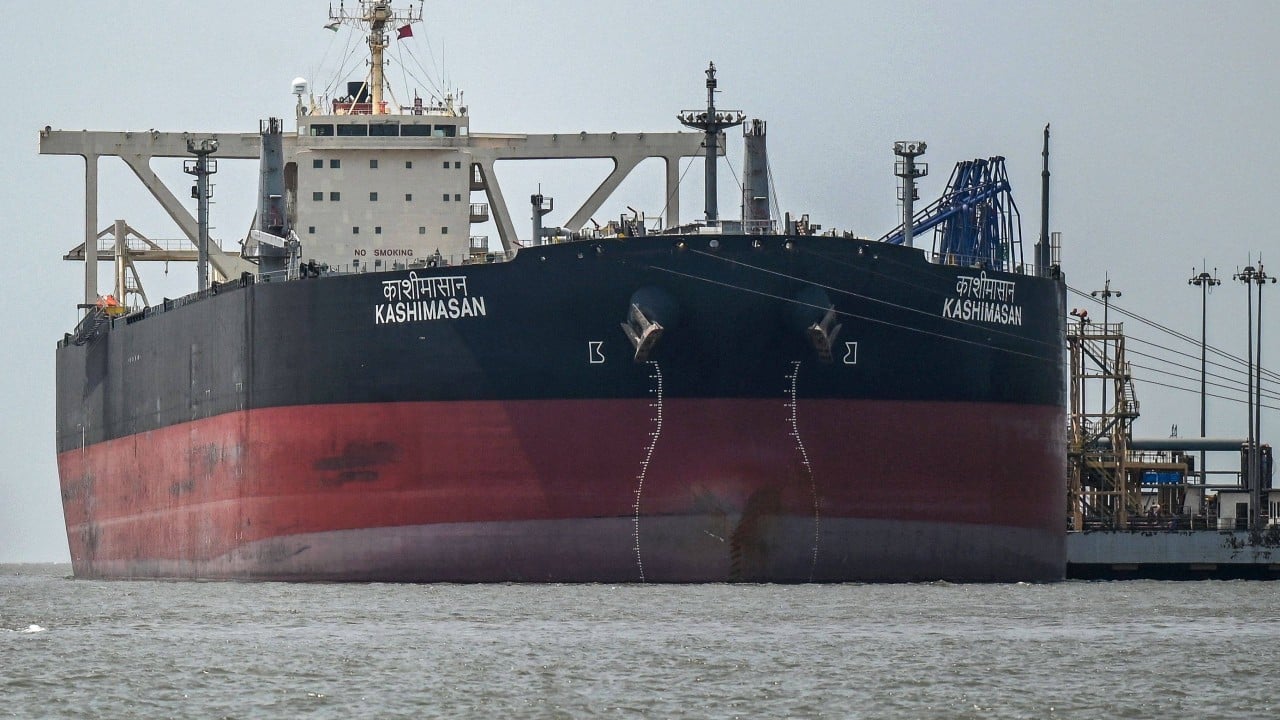


 4 sources
Morning Edition · Sunday, June 21, 2026Published at 6:14 AM EDT · New York
Hormuz Stays Shut to Shipping Despite Truce, Keeping a Risk Premium in Oil
Iran's Revolutionary Guard is withholding transit permits even after a war-ending memorandum promised to reopen the strait, while loaded tankers reappear in the Gulf.
The world's most important passage for seaborne oil shipments remains contested. Iran's state-aligned reporting, relayed by TASS, said the naval forces of the Islamic Revolutionary Guard Corps (IRGC) are issuing no transit permits "until further notice," keeping the Strait of Hormuz formally closed to shipping. That position is difficult to reconcile with the memorandum of understanding signed on June 17 that ended the US-Iran war, which mediators in Pakistan had described as committing Tehran to promptly reopen the strait and Washington to lift its blockade of Iranian ports.
Conditions on the water are more ambiguous than either side's statements. The South China Morning Post reported that three fully loaded India-linked supertankers reappeared in the Gulf of Oman, with traffic observed moving in both directions across the strait even as official accounts of whether transits are permitted continue to conflict. The negotiations now under way in Switzerland are aimed in part at keeping Hormuz open, The New York Times noted, with renewed fighting in Lebanon threatening that effort.
Roughly a fifth of the world's seaborne crude normally passes through the strait. At the peak of the closure in March, Brent crude rose to about $114 a barrel before the truce brought prices back toward pre-war levels. Israeli commentary in Globes argued that any Iranian move to impose tolls or selective passage on the strait could work against Tehran by strengthening the case for naval escorts and alternative routes.
The gap between a signed truce and an unopened waterway is the central uncertainty for energy markets this week. As long as the IRGC controls who passes, the supply risk that raised crude prices in the spring has not fully disappeared.
Part of a tracked trend
Mideast De-escalation Pulls Oil to Multi-Month Lows
Over the next 3-9 months easing Middle East supply risk—a US-Iran truce, reopened Hormuz shipping talks, and returning Venezuelan and other barrels—pushes crude lower and eases global energy inflation.
Veracity: Corroborated
84/100- If true, who benefits
Energy traders and crude holders who keep a war-risk premium priced in, and Tehran, which retains leverage over a fifth of seaborne oil while talks proceed.
- The nuance
"Closed" is a declaration disputed even within Iran's own government (the foreign ministry called the strait open), while tankers were observed transiting in both directions.
An open-source-intelligence read of how likely this story is true with its real nuance, not a judgment of any outlet. It assesses the claim, weighing independent and adversarial reporting. How we label confidence.
What this means
An oil price reflects expectations as much as barrels in transit. A truce that exists only as a signed document, and that the Guard has not put into effect, leaves a premium embedded in crude prices. That premium passes directly into shipping costs, fuel prices, and the headline inflation that central banks consider. The episode is a reminder that the recent easing in energy prices rests on a political commitment that one armed actor can withhold.
What to watch
Synthesized from: TASS · South China Morning Post · The New York Times · Globes
Townsquare
Start a discussion in Townsquare.
More from this edition
- Trump-Backed de la Espriella Claims Narrow Win in Colombia as His Rival Contests the Count
- US and Iranian Negotiators Convene in Switzerland to Save a Fragile Truce
- Ukrainian Strikes Trigger a Fuel Crisis in Russian-Held Crimea
- Renewed Fighting in South Lebanon Strains the US-Brokered Calm
- Kremlin Says It Expects Victory, Not the Anchorage Deal It Signed
- Iran Says Fear of Economic Damage Drove Trump to the Table
- Colombians Vote in a Polarised Runoff That Could Redraw Ties With Washington
- Iran Reopens to Trade and Reviews Its Economic Rulebook After the War
Comments
0No comments yet.