← The Global Intelligence Brief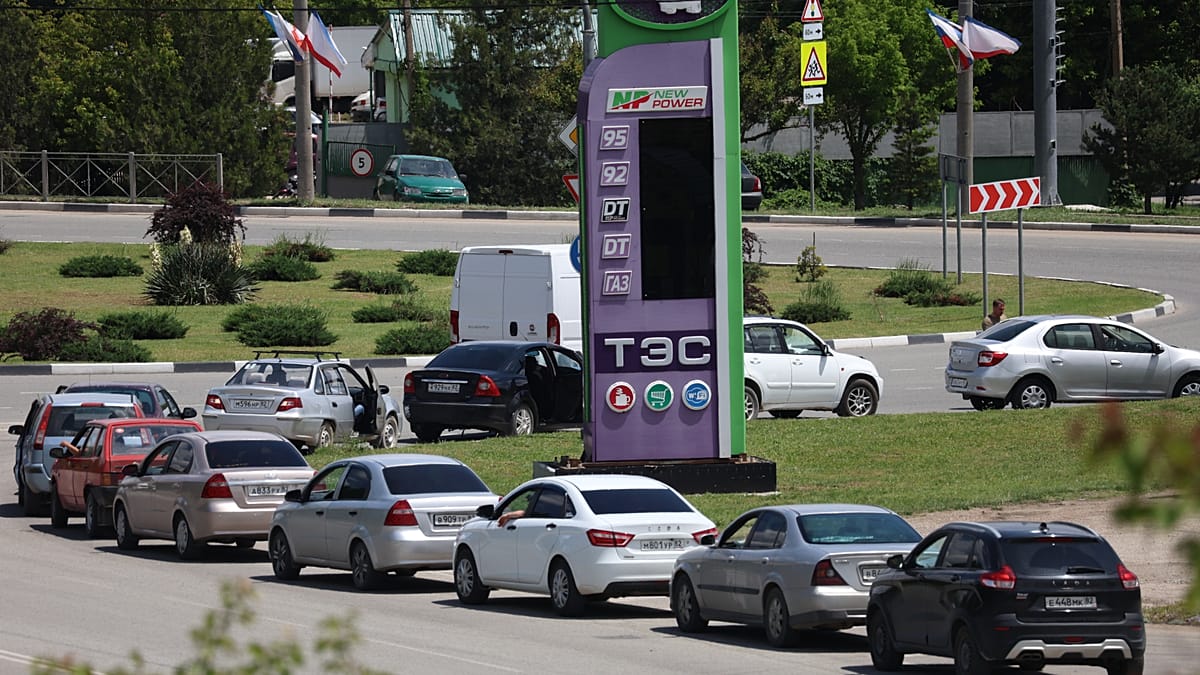


 4 sources
Morning Edition · Sunday, June 21, 2026Published at 6:14 AM EDT · New York
Ukrainian Strikes Trigger a Fuel Crisis in Russian-Held Crimea
The Moscow-aligned authorities halted all petrol sales after drones hit a major depot, the clearest sign yet that Kyiv's campaign against Russian energy infrastructure is reaching occupied territory.
Authorities in Russian-occupied Crimea suspended fuel sales after Ukrainian drones struck a fuel depot on the peninsula, Euronews reported, describing long queues at filling stations and constrained supply. The Russian-independent channel Ostorozhno Novosti quoted Crimea's Moscow-installed head, Sergey Aksyonov, saying that from 9:00 a.m. stations stopped dispensing fuel for cash, card or vouchers to both individuals and businesses, with deliveries to follow a restricted schedule. Footage of fires at a major depot circulated on social media, Deutsche Welle noted.
Moscow's account emphasised retaliation rather than vulnerability. Russia's defence ministry, cited by Kommersant, said its forces struck oil-refining, transport and fuel-energy infrastructure in Ukraine in response. The two narratives describe the same escalating pattern from opposite ends, with each side targeting the other's ability to move and refine fuel.
The economic logic is straightforward. By degrading refining and distribution inside territory Russia controls, Ukraine raises the cost of the war for Moscow and reduces the oil revenue that finances it, while Russian strikes aim to do the same to Ukraine's grid and energy system.
Part of a tracked trend
Ukraine's Deep Strikes on Russian Energy and Logistics
Ukraine sustains a campaign against Russian refineries and supply lines over the next 3-6 months, pressuring Moscow's oil revenue while Russia retaliates against Ukraine's grid.
Veracity: Corroborated
90/100- If true, who benefits
Kyiv's attrition strategy against Russian war revenue, and refined-product bulls watching Russian export volumes tighten.
- The nuance
Both sides report their own strikes and downplay their own losses, so the scale and durability of the refining damage, local versus systemic, remains self-attested.
An open-source-intelligence read of how likely this story is true with its real nuance, not a judgment of any outlet. It assesses the claim, weighing independent and adversarial reporting. How we label confidence.
What this means
Crimea's fuel shutdown shows the strikes are no longer abstract attrition but are producing visible rationing in areas Moscow treats as its own. Persistent damage to Russian refining tightens the country's domestic fuel supply and constrains export volumes, a slow pressure on the oil earnings that underwrite the budget. For global markets it adds a second, separate supply-risk concern alongside the Gulf.
What to watch
Synthesized from: Euronews · Polylog editors · Kommersant · Deutsche Welle
Townsquare
Start a discussion in Townsquare.
More from this edition
- Trump-Backed de la Espriella Claims Narrow Win in Colombia as His Rival Contests the Count
- Hormuz Stays Shut to Shipping Despite Truce, Keeping a Risk Premium in Oil
- US and Iranian Negotiators Convene in Switzerland to Save a Fragile Truce
- Renewed Fighting in South Lebanon Strains the US-Brokered Calm
- Kremlin Says It Expects Victory, Not the Anchorage Deal It Signed
- Iran Says Fear of Economic Damage Drove Trump to the Table
- Colombians Vote in a Polarised Runoff That Could Redraw Ties With Washington
- Iran Reopens to Trade and Reviews Its Economic Rulebook After the War
Comments
0No comments yet.