← The Global Intelligence Brief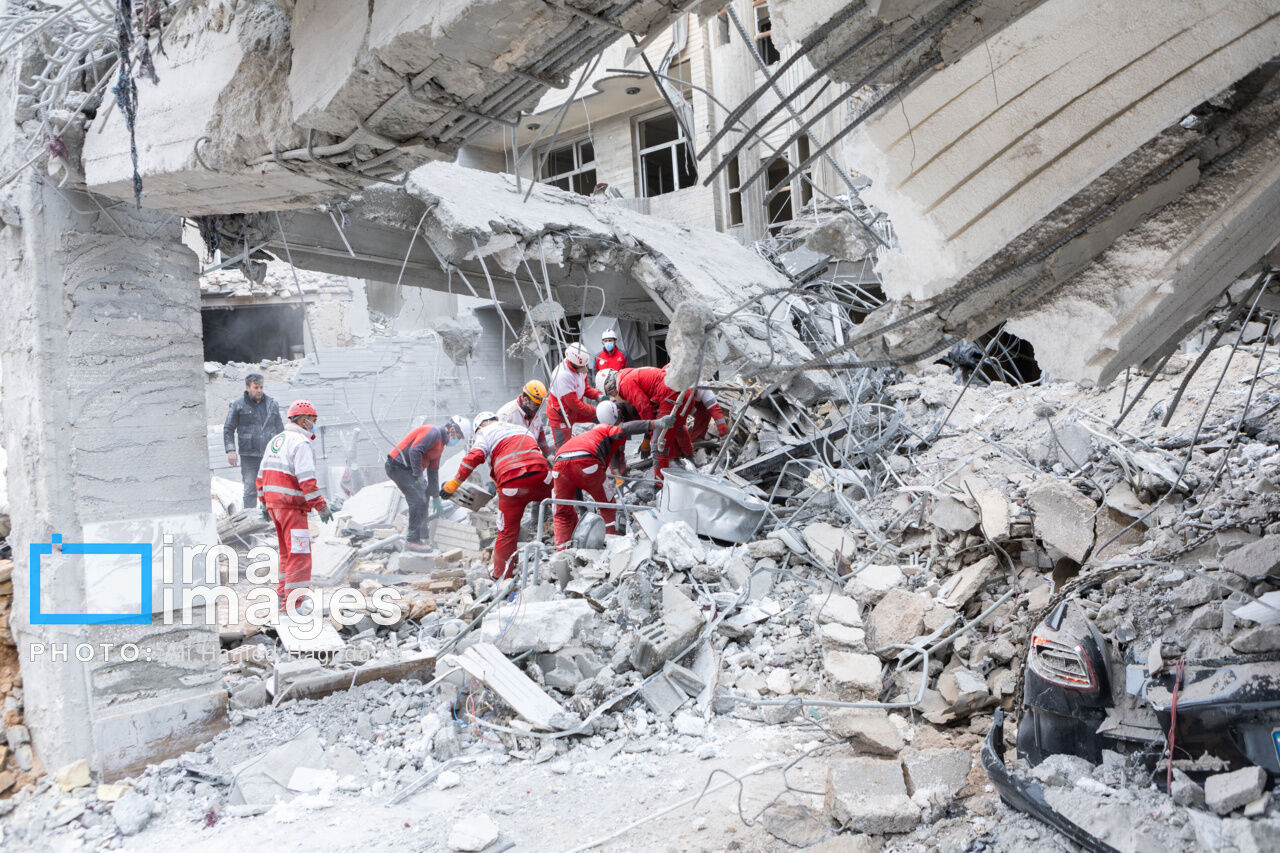

 3 sources
Morning Edition · Sunday, June 21, 2026Published at 6:14 AM EDT · New York
Iran Reopens to Trade and Reviews Its Economic Rulebook After the War
The first container ship since the US blockade lifted has docked at an Iranian port, as Tehran weighs revising currency and trade rules that officials say hampered the economy.
Iran's post-war economic reopening is becoming visible in concrete terms. The first container ship to call after the lifting of the US blockade has arrived at an Iranian port, RIA Novosti reported, an early sign that the commercial terms of the ceasefire are taking effect even as the strait dispute persists.
Inside Iran, officials are reconsidering the rules that govern the economy. The secretary of the government's economic commission told IRNA that some laws, even those with protective intent, have unintentionally disrupted currency and trade policy, and that the authorities may revise certain targets of the country's seventh development plan to better coordinate industrial, monetary and foreign-exchange policy.
The cost of the war is large. The mayor of Isfahan told IRNA that fully repairing units damaged in the recent war in his city alone requires roughly 100 trillion tomans. These accounts come from Iranian and Russian state outlets and reflect an official narrative of recovery and reform.
Veracity: Plausible
69/100- If true, who benefits
Iran's post-war recovery narrative and Russia, which amplifies the reintegration of a sanctioned producer that erodes Western economic leverage.
- The nuance
Sourced to Iranian and Russian state media, the "first container ship to arrive" claim sits beside separately reported first departures, and the reform story is an official account of recovery.
An open-source-intelligence read of how likely this story is true with its real nuance, not a judgment of any outlet. It assesses the claim, weighing independent and adversarial reporting. How we label confidence.
What this means
An economy emerging from war and sanctions tends to turn first to price controls and rule changes rather than to stable money, and Iran's review of currency and trade rules fits that pattern. The reopening of shipping lanes is the more consequential development, because reintegrating a sanctioned producer into trade flows gradually loosens the West's economic leverage and adds barrels and goods to regional markets.
What to watch
Synthesized from: RIA Novosti · IRNA · IRNA
Townsquare
Start a discussion in Townsquare.
More from this edition
- Trump-Backed de la Espriella Claims Narrow Win in Colombia as His Rival Contests the Count
- Hormuz Stays Shut to Shipping Despite Truce, Keeping a Risk Premium in Oil
- US and Iranian Negotiators Convene in Switzerland to Save a Fragile Truce
- Ukrainian Strikes Trigger a Fuel Crisis in Russian-Held Crimea
- Renewed Fighting in South Lebanon Strains the US-Brokered Calm
- Kremlin Says It Expects Victory, Not the Anchorage Deal It Signed
- Iran Says Fear of Economic Damage Drove Trump to the Table
- Colombians Vote in a Polarised Runoff That Could Redraw Ties With Washington
Comments
0No comments yet.