← The Global Intelligence Brief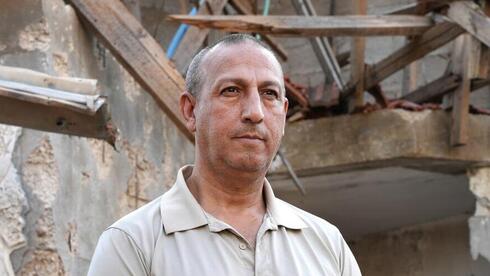
Morning Edition · Sunday, June 21, 2026Published at 6:14 AM EDT · New York
Renewed Fighting in South Lebanon Strains the US-Brokered Calm
A deadly tank loss and the collapse of a ceasefire have hardened Israeli criticism that Washington is directing the conflict, as the US proposes weapons-free "pilot zones" north of the border.
The fighting in south Lebanon has reopened a political rift inside Israel over who is directing the war. The head of the Metula local council, speaking to Ynet, accused the government of abandoning its soldiers and yielding to Washington, arguing that "there is no Israeli side here, only an American and an Iranian one." His remarks followed the loss of a tank and the deaths of several soldiers near the border, an episode Ynet covered through the family of one of the fallen crewmen.
Diplomatic options are moving in parallel with the violence. Globes reported that the United States is promoting a plan for experimental weapons-free zones in southern Lebanon, an attempt to separate the combatants and preserve the wider truce with Iran. Israeli accounts describe a fragile ceasefire that has repeatedly broken down rather than a stable line.
The competing claims share a core fact. The Lebanon front is the most likely place for the broader US-Iran understanding to break down, which is precisely why both Tehran and Israel are pressing Washington over how it is managed.
Veracity: Corroborated
79/100- If true, who benefits
Israeli domestic critics of the government, who gain from framing the war as American- and Iranian-directed, and Tehran, which presses Washington over Lebanon.
- The nuance
The claim that "there is no Israeli side, only an American and an Iranian one" is one local official's charged opinion, not a factual account of who commands operations.
An open-source-intelligence read of how likely this story is true with its real nuance, not a judgment of any outlet. It assesses the claim, weighing independent and adversarial reporting. How we label confidence.
What this means
Lebanon is where a local border war connects to global energy risk. Each ceasefire breakdown threatens the Switzerland talks and, through them, the reopening of Hormuz. Domestic Israeli anger at perceived American control also signals how little political room exists for compromise, which makes the truce harder to stabilise.
What to watch
Townsquare
Start a discussion in Townsquare.
More from this edition
- Trump-Backed de la Espriella Claims Narrow Win in Colombia as His Rival Contests the Count
- Hormuz Stays Shut to Shipping Despite Truce, Keeping a Risk Premium in Oil
- US and Iranian Negotiators Convene in Switzerland to Save a Fragile Truce
- Ukrainian Strikes Trigger a Fuel Crisis in Russian-Held Crimea
- Kremlin Says It Expects Victory, Not the Anchorage Deal It Signed
- Iran Says Fear of Economic Damage Drove Trump to the Table
- Colombians Vote in a Polarised Runoff That Could Redraw Ties With Washington
- Iran Reopens to Trade and Reviews Its Economic Rulebook After the War
Comments
0No comments yet.