← The Global Intelligence Brief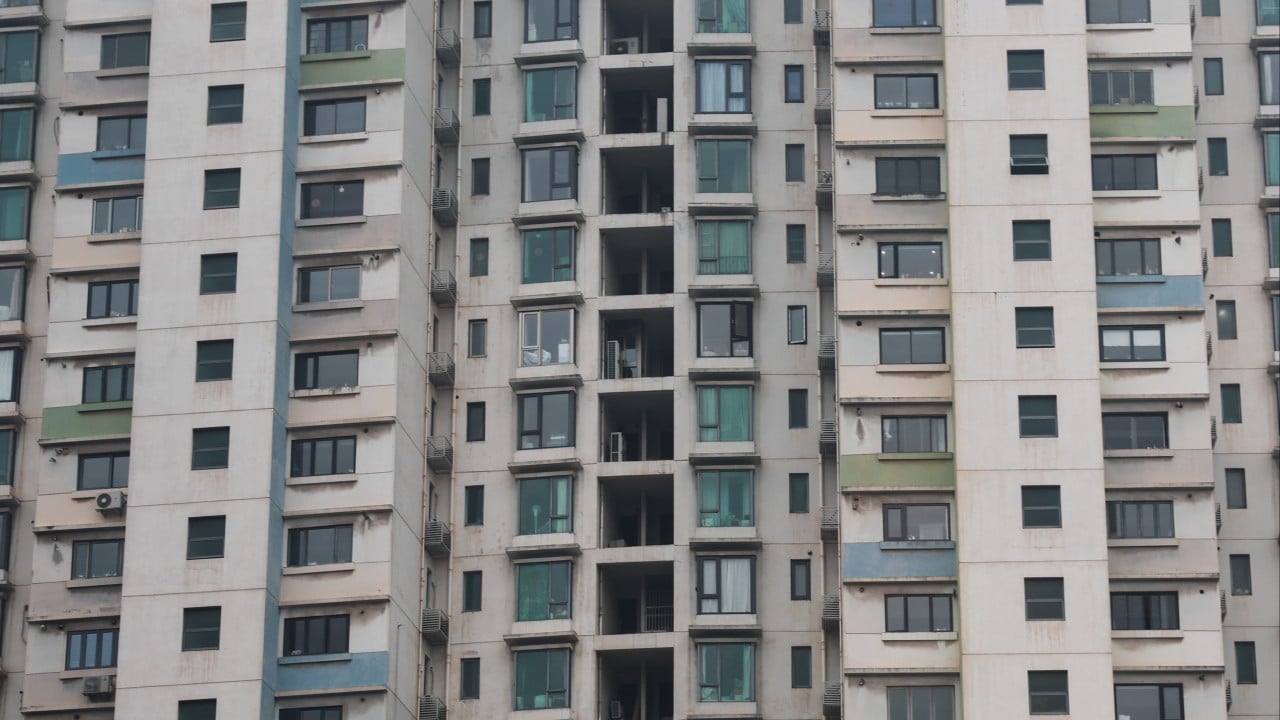

 2 sources
Morning Edition · Wednesday, July 15, 2026Published at 1:13 AM EDT · New York
China Grows 4.3 Percent in Second Quarter, Weakest Pace Since Late 2022
Output fell below Beijing's own 4.5 to 5 percent target as a prolonged property slump and weak domestic demand offset strong artificial-intelligence-linked exports.
China's economy expanded 4.3 percent year on year in the second quarter, slowing from 5.0 percent in the first quarter and coming in below the lower bound of Beijing's 4.5 to 5 percent annual target. According to figures reported alongside the release, it was the weakest quarterly reading since the final quarter of 2022, the period when strict pandemic controls were still in place.
The composition of the growth matters more than the headline figure. Exports tied to artificial-intelligence hardware remained strong, but subdued household spending, cautious private investment, and a housing downturn now in its fifth year weighed the figure down. There were faint signs of stabilization in property, with new-home prices in the four largest cities rising an average of 0.1 percent last month, a fourth straight monthly gain, though prices outside the top tier stayed soft.
An Austrian-school reading of the data points to the source of the strain. Years of credit-financed construction produced apartment blocks and infrastructure that households do not need at prices the market will no longer pay, and correcting that misallocated investment cannot be avoided through further stimulus without delaying the adjustment. With domestic demand weak, Beijing relies more on exporting its manufacturing surplus, which sustains trade friction with partners already absorbing cheaper Chinese goods.
What this means
A China growing below target and dependent on exports transmits deflation outward through cheaper manufactured goods, pressuring industrial competitors from Germany to Southeast Asia and giving Washington and Brussels fresh grounds for tariffs. The most exposed are Chinese property developers and the local governments that rely on land sales, along with commodity exporters such as Brazil and Australia whose revenue depends on Chinese construction demand.
What to watch
- Whether Beijing announces additional fiscal stimulus in response, because the size and target of any package will show whether policymakers are supporting consumption or again supporting construction.
- Whether the property price rebound broadens beyond the largest cities, which would indicate genuine stabilization rather than support concentrated in the strongest markets.
- Whether China's monthly export figures keep climbing, which would deepen the surplus and invite more trade barriers from the United States and Europe.
Observations to monitor, not financial advice.
Synthesized from: Financial Times · South China Morning Post
Townsquare
Start a discussion in Townsquare.
More from this edition
- Oil Jumps Above 85 Dollars as US Reimposes Iran Blockade and Tehran Strikes Gulf States
- Gold Holds Near 4,000 Dollars and Silver Jumps as War and Fiat Doubts Drive Hard-Money Demand
- United States to Withdraw All Troops From Iraq by September 30
- Chinese Memory Maker CXMT Prices Record 8.5 Billion Dollar Shanghai Chip Listing
- China's Critical-Minerals Controls Distort Markets and Fuel Resource Nationalism
- Spain and Gibraltar Remove Border Checks Under New UK-EU Treaty
- Russia Strikes Ukrainian Black Sea Ports Handling Military Supplies
- Ukraine to Buy Chinese Drone Components With European Union Funds
Comments
0No comments yet.