← The Global Intelligence Brief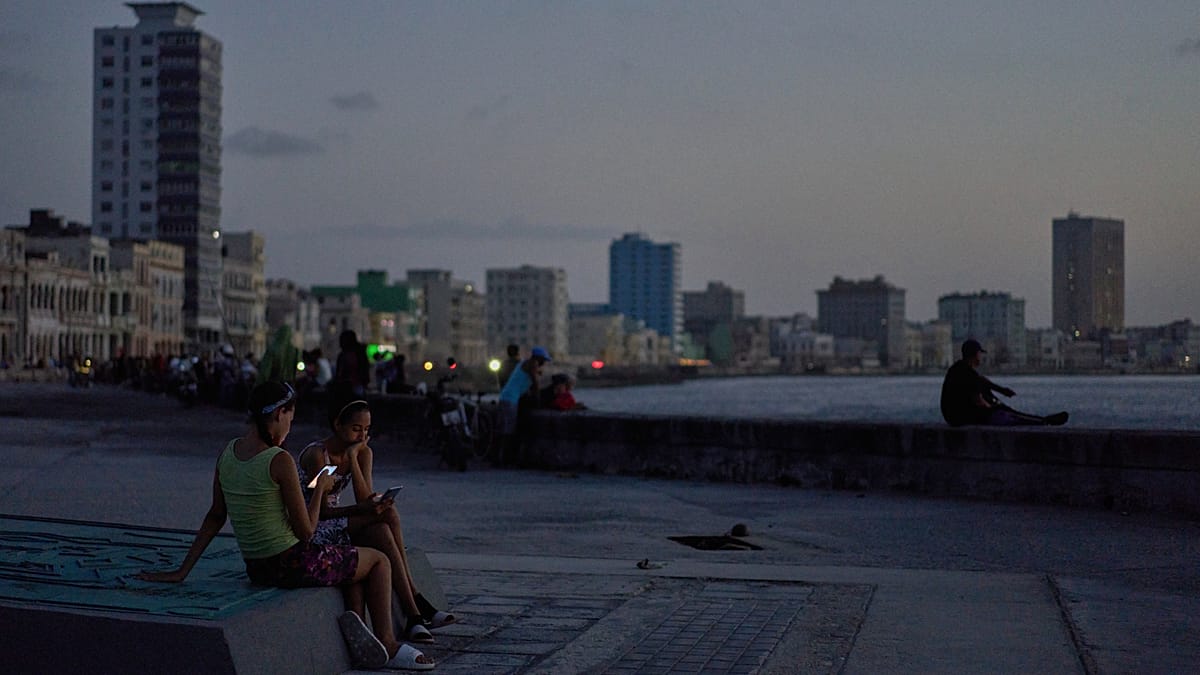
 1 source
Morning Edition · Wednesday, July 15, 2026Published at 1:13 AM EDT · New York
Cuba Suffers Third Nationwide Blackout in Two Weeks as Grid Collapses
Fuel has been scarce since Trump threatened tariffs on any nation supplying oil to the island, deepening an energy and economic crisis.
Cuba was hit by its third nationwide blackout in two weeks as the national power grid collapsed again, leaving millions without electricity. The country's aging, oil-dependent generating plants have struggled to run as fuel supplies dwindle.
The immediate cause is a shortage of fuel that has persisted since January, when President Donald Trump threatened to impose tariffs on any nation that supplies or sells oil to the island. That threat has discouraged shipments and deepened an already severe financial and economic crisis, compounding the effect of longstanding US sanctions on the Cuban economy.
The repeated grid failures show how directly external economic pressure can translate into physical collapse in a fragile, import-dependent economy. Without reliable fuel deliveries, Cuba cannot keep its power stations running, and each blackout compounds the disruption to food storage, water pumping, and daily life.
Veracity: Corroborated
75/100- If true, who benefits
The framing supports Washington's pressure campaign against Havana; the Cuban population and the government's stability bear the cost.
- The nuance
The tariff threat is real and compounding, but Cuba's decrepit oil-fired grid and the January cutoff of Venezuelan supply, atop decades of US sanctions, are the larger structural causes the single-cause headline omits.
An open-source-intelligence read of how likely this story is true with its real nuance, not a judgment of any outlet. It assesses the claim, weighing independent and adversarial reporting. How we label confidence.
What this means
Cuba shows how a tariff threat aimed at suppliers, rather than the target directly, can cut off a small economy's energy supply and produce cascading failures in food, water, and public order. The exposed party is Cuba's population and its government's stability, while the mechanism is the deterrent effect of US secondary tariffs on any oil shipper, which raises the cost and risk of supplying the island to the point where deliveries stop.
What to watch
Source: Euronews
Townsquare
Start a discussion in Townsquare.
More from this edition
- Oil Jumps Above 85 Dollars as US Reimposes Iran Blockade and Tehran Strikes Gulf States
- China Grows 4.3 Percent in Second Quarter, Weakest Pace Since Late 2022
- Gold Holds Near 4,000 Dollars and Silver Jumps as War and Fiat Doubts Drive Hard-Money Demand
- United States to Withdraw All Troops From Iraq by September 30
- Chinese Memory Maker CXMT Prices Record 8.5 Billion Dollar Shanghai Chip Listing
- China's Critical-Minerals Controls Distort Markets and Fuel Resource Nationalism
- Spain and Gibraltar Remove Border Checks Under New UK-EU Treaty
- Russia Strikes Ukrainian Black Sea Ports Handling Military Supplies
Comments
0No comments yet.