← The Global Intelligence Brief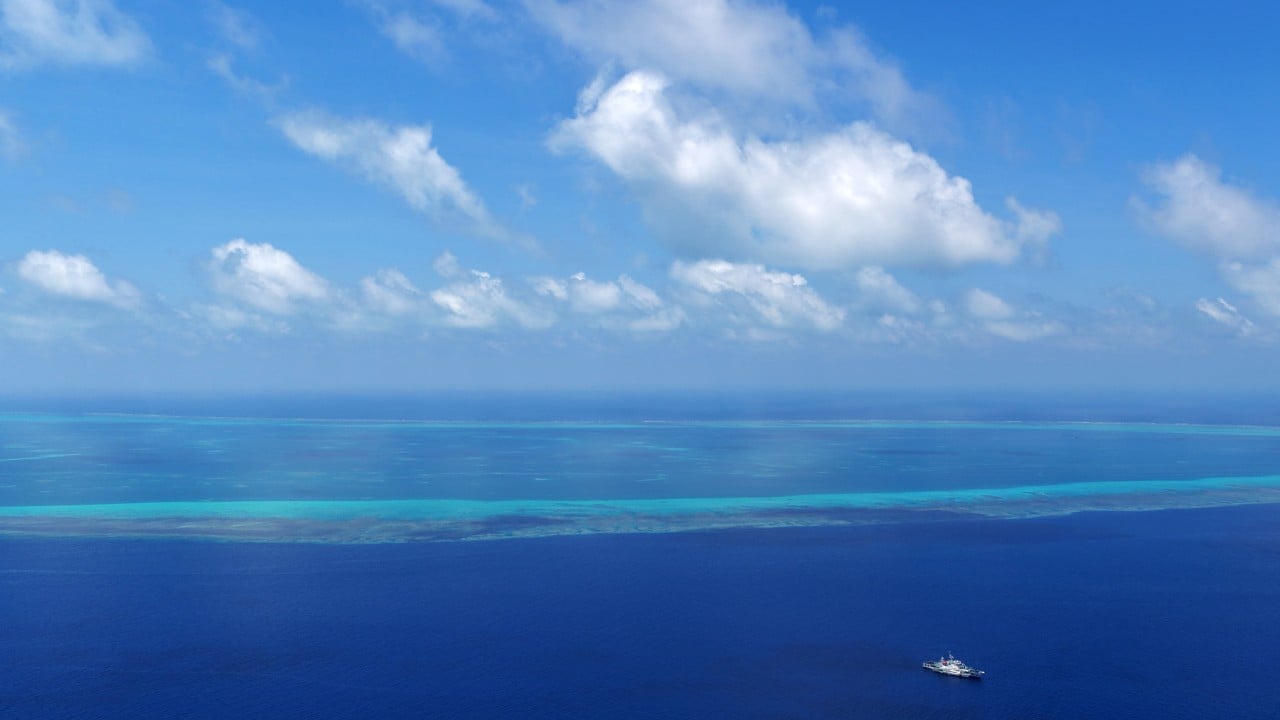
 2 sources
Morning Edition · Saturday, August 1, 2026Published at 1:33 AM EDT · New York
China Stages South China Sea Drills After Disputing a Philippine Seabed Claim
The exercises near Scarborough Shoal followed Beijing's rejection of what it called an "illegal" Manila bid, as Taiwan's parties deadlock over building drone stockpiles.
China's military held joint naval and air drills near Scarborough Shoal, a disputed reef in the South China Sea, according to the South China Morning Post. The exercises followed Beijing's criticism of what it called an "illegal" Philippine attempt to extend its seabed rights off the coast of Palawan. Manila and Beijing hold competing claims across the waterway, and each describes the other's actions as the provocation.
The friction is pushing the region toward a faster military buildup. In Taiwan, lawmakers have deadlocked over competing bills to buy and develop military drones, a dispute that threatens the island's plan to increase its stockpiles and raises questions about the future of its domestic manufacturers. The contrast is clear, with China conducting military exercises in contested waters while a neighbor struggles to fund its own defenses.
Together, the drills and the drone dispute show a maritime contest that continues to intensify. More frequent exercises near disputed features raise the chance of an incident, and the rush to acquire weapons, or the failure to do so, shapes how quickly the regional military balance changes.
Part of a tracked trend
Indo-Pacific Arms Race Accelerates
Over the next 3-6 months a sharpening regional arms race drives Japan and its neighbors to expand militaries and export weapons—Tokyo moving to sell missiles—as maritime confrontations with China multiply and Asian rearmament gathers pace.
Veracity: Corroborated
80/100- If true, who benefits
Regional arms suppliers and the United States alliance network, plus both Beijing and Manila domestically, each casting the other as the aggressor.
- The nuance
"Illegal" is Beijing's characterization of Manila's seabed filing, and pairing the drills with Taiwan's drone deadlock is the article's editorial linkage rather than a single connected event.
An open-source-intelligence read of how likely this story is true with its real nuance, not a judgment of any outlet. It assesses the claim, weighing independent and adversarial reporting. How we label confidence.
What this means
The exposure runs through shipping lanes and defense supply chains in one of the world's busiest trade corridors. Repeated drills near contested features raise the risk of a maritime incident that could disrupt traffic through the South China Sea, while the regional push to acquire drones and missiles directs spending toward defense manufacturers across Asia. Exporters that rely on these sea lanes lose from any disruption, and arms suppliers, including those Japan and other countries are positioning to sell, gain from an accelerating regional buildup.
What to watch
Synthesized from: South China Morning Post (Drills) · South China Morning Post (Taiwan)
Townsquare
Start a discussion in Townsquare.
More from this edition
- Bond Market Doubts Warsh's Inflation Resolve as 30-Year Treasury Yield Reaches 5.21 Percent
- Apple Loses Close to 500 Billion Dollars as Memory Shortage Splits the Big Technology Trade
- United States Bombs Iran's Ports, Bridges and Power Grid for a Ninth Night as Iran Strikes Five Gulf States and Declares Hormuz Closed
- Oil Heads for a Monthly Gain Above 20 Percent as War Risk Rebuilds a Premium in Energy and Metals
- South Korea's Won Gains Nearly 8 Percent Against the Dollar Despite a Technology Selloff
- Russian Strikes on Kyiv Kill at Least Nine as Moscow Says It Hit Ukraine's Military Industry
- India and China Reopen a Himalayan Trading Pass Closed for Six Years
Comments
0No comments yet.