← The Global Intelligence Brief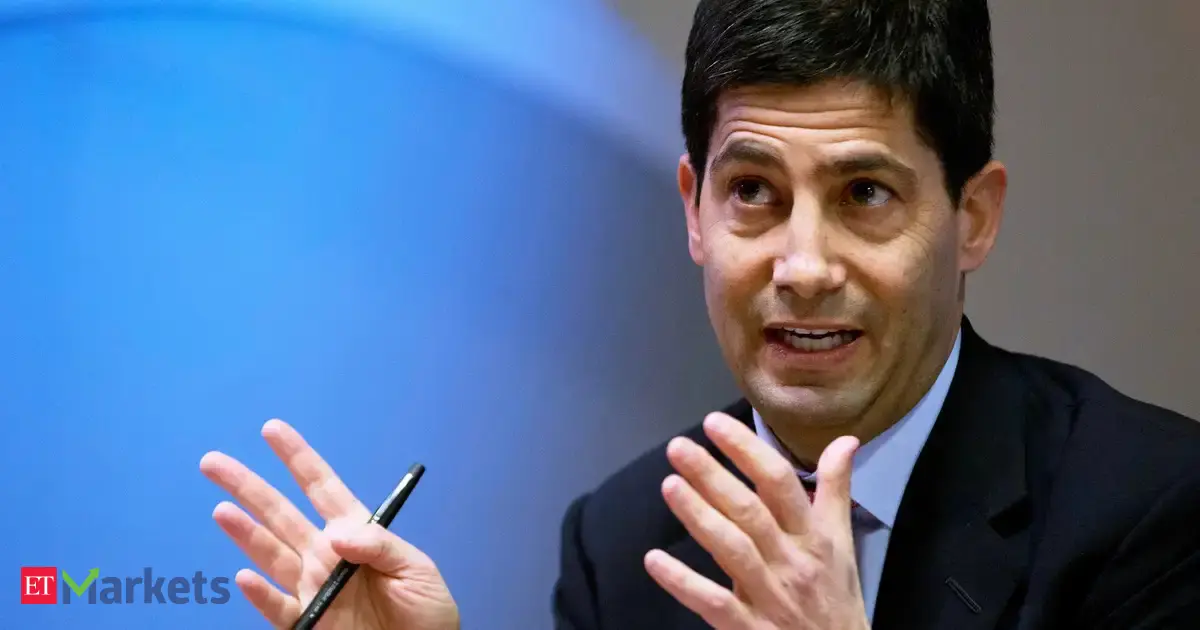
 2 sources
Morning Edition · Saturday, August 1, 2026Published at 1:33 AM EDT · New York
Bond Market Doubts Warsh's Inflation Resolve as 30-Year Treasury Yield Reaches 5.21 Percent
Long-dated United States Treasury yields climbed as traders priced roughly a 57 percent chance the Federal Reserve raises rates in September.
Federal Reserve Chair Kevin Warsh told reporters this week that the central bank is committed to bringing inflation down, saying plainly that "there is no soft inflation target." Investors treated that statement with skepticism rather than reassurance. During his remarks the 30-year United States Treasury yield climbed from about 5.1 percent to 5.21 percent, and the Federal Reserve held its policy rate steady for a fifth consecutive meeting.
The disagreement is about credibility. Investors first read Warsh's press conference as a signal that the Fed would keep rates low. A closer reading of his prepared text suggests he may be close to raising rates if price data stays above target. Futures markets now assign roughly a 57 percent probability to an increase in September. The Indian financial press described the situation as a warning sign, with the Economic Times noting that some policymakers favor increases to restrain prices while others resist raising rates into a slowing economy.
The tension is the one an Austrian reading of economics anticipates. Years of credit expansion left prices and asset values that a policy rate below the true cost of money helped inflate. When the central bank signals it will keep monetary policy loose, investors in long-term bonds demand a higher yield to compensate for the inflation they expect, which is why the 30-year yield rose even as the Fed left its rate unchanged. Hard assets showed the same doubt. Gold traded near 4,040 dollars an ounce and silver near 58 dollars, while bitcoin fell about 2.7 percent over 24 hours to roughly 63,000 dollars. A firmer dollar and higher inflation-adjusted yields reduce demand for speculative positions, even as those same forces support gold and silver, which investors buy when they distrust government-issued currency.
A United States employment report due in the week ahead is the next major data point, one of the market themes global investors are watching most closely. A strong number would strengthen the case for a rate increase and push the dollar higher.
Part of a tracked trend
Renewed Fed Tightening Fears Rattle Global Markets
Over the next 3-6 months stronger US data revives expectations of Fed rate hikes, driving a firmer dollar, equity selloffs in export-heavy markets, and pressure on hard assets as the IMF warns of recurring economic shocks.
What this means
The mechanism is the gap between the Fed's words and the yield investors demand on long-term debt. When the central bank uses firm language but holds rates steady and keeps its balance sheet large, bondholders demand a higher yield to hold long-term debt, which raises borrowing costs for governments and companies. Long-term bonds, equity markets driven by exports, and emerging-market borrowers lose through a firmer dollar and higher discount rates, while owners of gold and silver gain from the same doubt that policy will contain inflation.
What to watch
- The United States jobs report in the week ahead. A strong number raises the odds of a September rate increase and a firmer dollar, while a weak one relieves pressure on long-term yields.
- The 30-year Treasury yield relative to the 5.21 percent level. A sustained move higher signals that investors believe the Fed is failing to keep pace with inflation regardless of its statements.
- Whether Warsh's next public remarks point toward raising rates rather than offering reassurance, which would confirm the reading that he favors tighter policy.
Observations to monitor, not financial advice.
Synthesized from: Economic Times · Economic Times (World Market Themes)
Townsquare
Start a discussion in Townsquare.
More from this edition
- Apple Loses Close to 500 Billion Dollars as Memory Shortage Splits the Big Technology Trade
- United States Bombs Iran's Ports, Bridges and Power Grid for a Ninth Night as Iran Strikes Five Gulf States and Declares Hormuz Closed
- Oil Heads for a Monthly Gain Above 20 Percent as War Risk Rebuilds a Premium in Energy and Metals
- South Korea's Won Gains Nearly 8 Percent Against the Dollar Despite a Technology Selloff
- Russian Strikes on Kyiv Kill at Least Nine as Moscow Says It Hit Ukraine's Military Industry
- India and China Reopen a Himalayan Trading Pass Closed for Six Years
- China Stages South China Sea Drills After Disputing a Philippine Seabed Claim
Comments
0No comments yet.