← The Global Intelligence Brief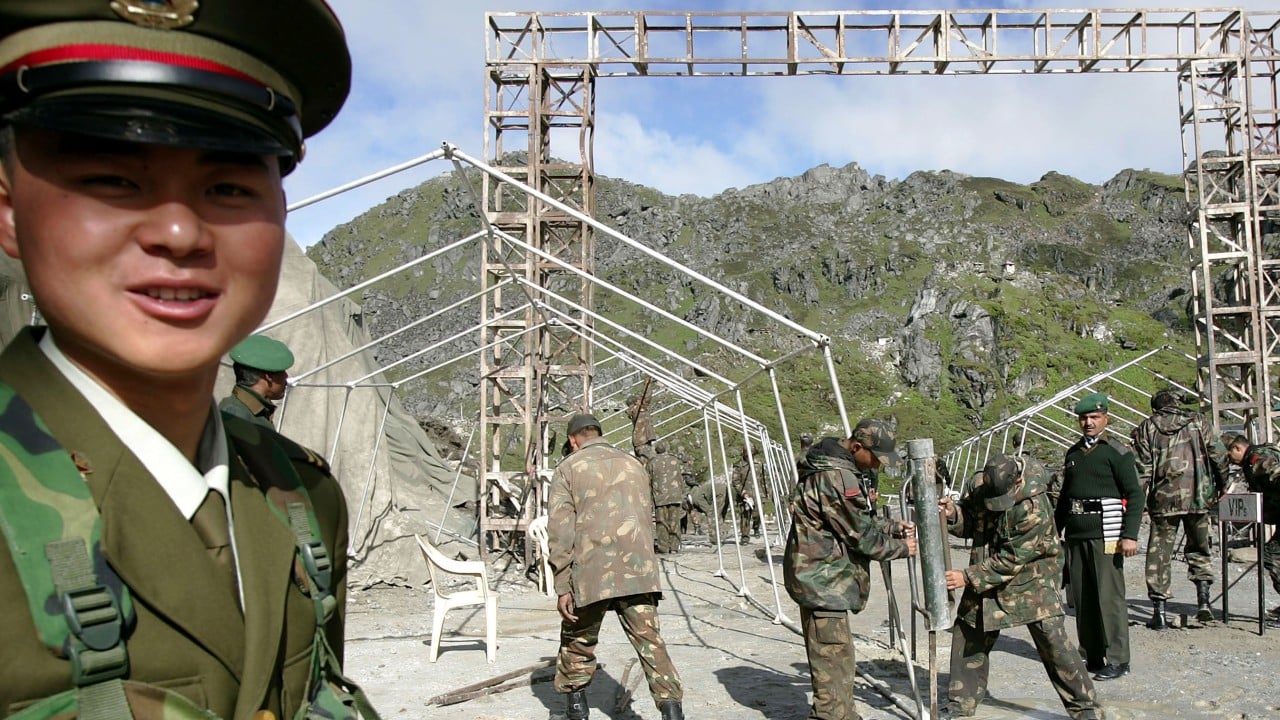

 2 sources
Morning Edition · Saturday, August 1, 2026Published at 1:33 AM EDT · New York
India and China Reopen a Himalayan Trading Pass Closed for Six Years
The Nathu La crossing between India's Sikkim and China's Tibet is reopening, a small step in a cautious improvement in economic relations between the two powers.
A border crossing high in the eastern Himalayas, closed for six years after deadly clashes damaged relations, is reopening. The Nathu La Pass, which links India's Sikkim state with China's Tibet region along a route that once carried silk and salt between empires, is reopening to trade, according to the South China Morning Post. The step is small in volume but significant as a signal, coming after years in which the two governments treated the border with mutual suspicion.
The reopening fits a wider pattern in which large states outside the Western alliance system rebuild direct ties. Belarusian President Alexander Lukashenko, in comments carried by Russian state agency TASS, argued that artificial limits on contact between countries are futile and said cooperation can help build a more balanced global order. The two framings differ, an India-China border agreement on one side and a Russian-aligned argument about a multipolar world on the other, but both describe the same movement toward economic links that bypass Western-led institutions.
For two economies of this size, even a symbolic border reopening matters. It reduces tension along a militarized border and suggests a willingness to let trade resume where politics allows, a cautious rebuilding of ties rather than a full reconciliation.
Part of a tracked trend
China Anchors a Parallel Bloc
China keeps deepening ties with neighbors and Global South states through high-level diplomacy, assembling a bloc that runs parallel to Western-led alliances and hardens a multipolar order.
Veracity: Corroborated
90/100- If true, who benefits
Sikkim border traders and China's preferred narrative of a parallel, non-Western economic order.
- The nuance
The pass closed in 2020 for both the pandemic and the Galwan clashes and reopens on a seasonal, low-volume basis, so the "bypass Western institutions" reading is an interpretive overlay, not what the reopening itself establishes.
An open-source-intelligence read of how likely this story is true with its real nuance, not a judgment of any outlet. It assesses the claim, weighing independent and adversarial reporting. How we label confidence.
What this means
The channel is trade routing and the slow assembly of a non-Western economic bloc. A reopened India-China crossing reduces the risk premium on their shared border and lets regional commerce resume, which benefits Himalayan border communities and traders and signals to investors that Asia's two largest economies prefer managed engagement to confrontation. The wider effect is indirect, adding one more link to a network of ties among large states that runs parallel to Western-led alliances and hardens a multipolar order.
What to watch
Synthesized from: South China Morning Post · TASS
Townsquare
Start a discussion in Townsquare.
More from this edition
- Bond Market Doubts Warsh's Inflation Resolve as 30-Year Treasury Yield Reaches 5.21 Percent
- Apple Loses Close to 500 Billion Dollars as Memory Shortage Splits the Big Technology Trade
- United States Bombs Iran's Ports, Bridges and Power Grid for a Ninth Night as Iran Strikes Five Gulf States and Declares Hormuz Closed
- Oil Heads for a Monthly Gain Above 20 Percent as War Risk Rebuilds a Premium in Energy and Metals
- South Korea's Won Gains Nearly 8 Percent Against the Dollar Despite a Technology Selloff
- Russian Strikes on Kyiv Kill at Least Nine as Moscow Says It Hit Ukraine's Military Industry
- China Stages South China Sea Drills After Disputing a Philippine Seabed Claim
Comments
0No comments yet.